Costa Rica remains one of the safest countries in Central America to visit, and the current safety advice for travel in Costa Rica from the US State Department, the UK FCDO and Canada’s travel.gc.ca reflects that: a general “exercise increased caution” rating because of crime, with no regions you are told to avoid outright. More than two million visitors a year hike its cloud forests, surf its Pacific beaches and watch sloths in Manuel Antonio, and the vast majority go home with nothing worse than mosquito bites and a sunburn.
The verdict up front: the risks that actually hurt tourists in Costa Rica are rip currents, road accidents and theft from cars and beaches, in roughly that order. Violent crime has risen in recent years, largely tied to drug trafficking in Limón province and parts of greater San José, but it rarely involves foreigners and the official advisories say so plainly. Plan for the ocean, the roads and your valuables, and you have handled most of what matters.
Contents
- Safety at a Glance
- What Do the Official Advisories Say?
- Crime in Costa Rica: What Really Happens to Tourists
- The Ocean: Costa Rica's Deadliest Hazard
- Transport and Road Safety
- Health Advice for Costa Rica
- Natural Hazards and When to Go
- Wildlife: Real Risks and Overstated Ones
- Solo and Female Travellers
- Emergency Numbers and Where to Get Help
- Travel Insurance and Money
- How to Set Up a Safe Trip: Step by Step
- Frequently Asked Questions
- Bottom Line
Safety at a Glance
| Risk area | Level | Notes |
|---|---|---|
| Violent crime against tourists | Low | Uncommon; most serious crime is between criminal groups in Limón and San José districts |
| Theft from cars, beaches and lodgings | Moderate to high | The most common complaint; never leave anything in a parked car |
| Rip currents and drowning | High | The leading cause of tourist deaths; few beaches have lifeguards |
| Road safety | Moderate to high | Potholes, unlit roads, river crossings and aggressive overtaking |
| Mosquito-borne illness | Moderate | Dengue is endemic, especially on the Pacific and Caribbean coasts in the wet season |
| Food and water | Low | Tap water is safe in most towns; bottled in remote areas |
| Earthquakes and volcanoes | Low to moderate | Frequent small quakes; volcano parks close during activity |
| Wildlife | Low | Venomous snakes and crocodiles exist; incidents are rare with sensible behaviour |
| Harassment of women | Low to moderate | Catcalling in cities and beach towns; serious incidents rare |
What Do the Official Advisories Say?
As of 2026, the US State Department rates Costa Rica at Level 2, “exercise increased caution”, citing crime. The UK FCDO and Canada’s travel.gc.ca carry similar general advice. None of them advises against travel to any region. All of them highlight the same themes: petty theft, car break-ins, occasional armed robbery in specific areas, rip currents and road conditions. Read the current pages before you go, because the wording is updated as incidents occur.
Crime in Costa Rica: What Really Happens to Tourists
Theft, the number-one issue
Theft of unattended belongings is far and away the most common problem. The classic scenarios are a rental car with luggage visible in the back while you walk to a waterfall, a bag left on the sand at Tamarindo or Jacó while you swim, a phone lifted from a cafe table in San José, and valuables taken from unlocked rooms in budget lodgings.
- Never leave anything in a parked car, visible or not; thieves assume rental cars contain luggage.
- Use hotel safes and bring a small padlock for hostel lockers.
Armed robbery and violent crime
Homicide rates in Costa Rica have risen noticeably over the past few years, driven by disputes between drug-trafficking groups, and the Limón province, the port city of Limón itself and some districts in and around San José, such as parts of Desamparados and Pavas, record the highest levels. The advisories are clear that this violence rarely targets tourists, and for perspective, Costa Rica’s cities are not in the league of those in our guide to the most dangerous cities in the world. Armed robberies of visitors do happen occasionally, usually on quiet roads, at isolated beaches after dark or at ATMs. Avoid walking on unlit beaches at night, use ATMs inside banks or supermarkets in daylight, and do not resist if confronted.
The Ocean: Costa Rica’s Deadliest Hazard
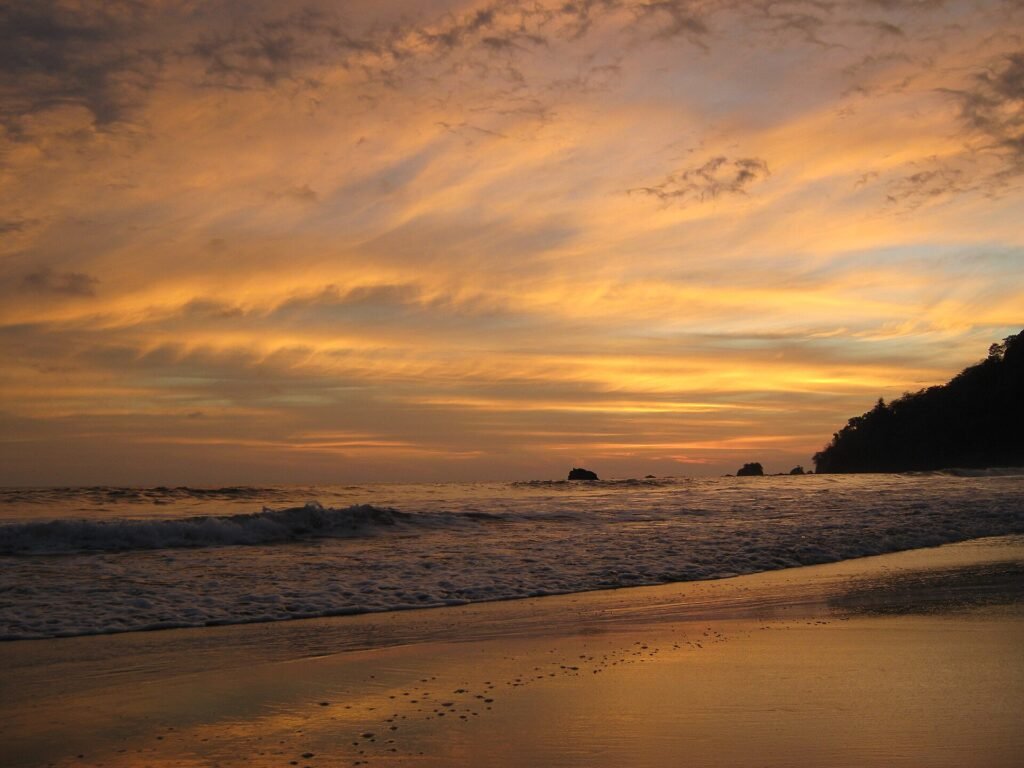
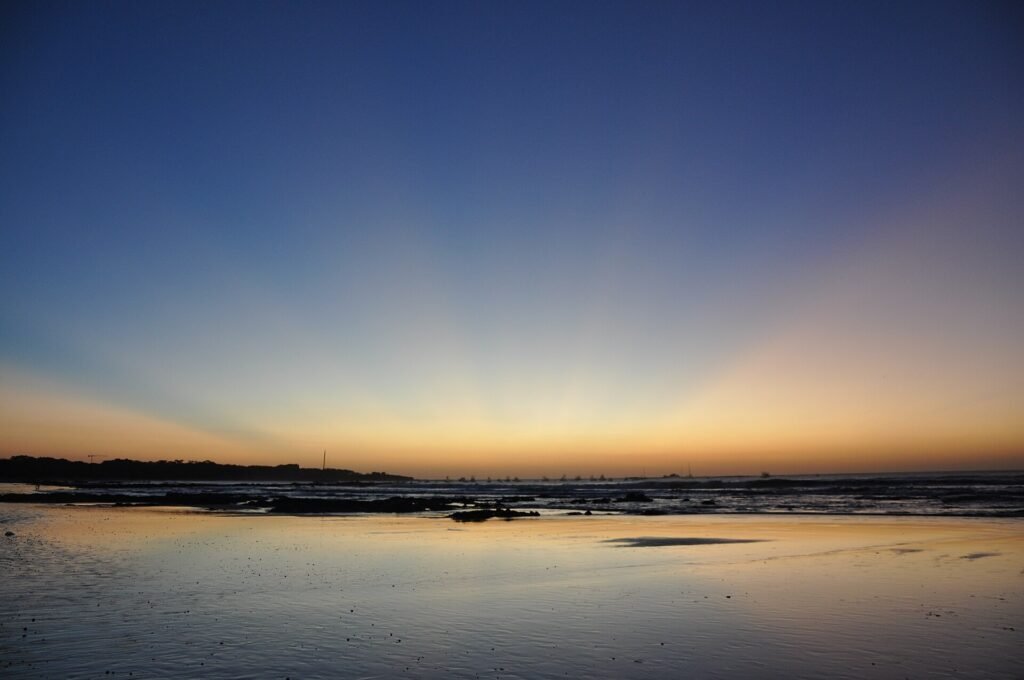
Rip currents kill more tourists in Costa Rica than crime, wildlife and disease combined, and the Costa Rican Red Cross repeats that warning every season. The Pacific beaches have powerful surf and strong rips, few beaches have lifeguards, and warning flags are inconsistent.
- Beaches with a reputation for strong rips include Playa Hermosa near Jacó, Dominical, Playa Jacó itself, Manuel Antonio’s Playa Espadilla, Playa Grande, Nosara’s Guiones in big swells and Cocles and Playa Negra on the Caribbean side.
- If caught in a rip, do not fight it: float, signal for help, and swim parallel to the shore until you are out of the current, then angle back in.
- Ask locals and surf schools which beach and which stretch is swimmable that day. Conditions change with tide and swell.
- Do not swim after drinking, at dusk or alone.
- Crocodiles live in estuaries and river mouths on both coasts, notably the Tárcoles River and the Tamarindo estuary. Do not swim near river mouths.
Transport and Road Safety
Driving yourself is the best way to see Costa Rica and also the most likely way to get hurt. Roads outside the Central Valley are narrow and potholed, signage is sparse, mountain routes are foggy, and heavy rain creates landslides and swollen river fords. Route 32 between San José and Limón through Braulio Carrillo National Park is notorious for crashes and closures.
If you rent a car
- Book with a well-reviewed agency and understand the mandatory liability insurance, which is required by law and is often not included in the headline price. Credit-card collision cover usually does not replace it.
- Choose a 4×4 for the Nicoya peninsula, Monteverde, the Osa and anywhere with river crossings; never ford a river you cannot see the bottom of.
- Do not drive at night outside towns. Unlit roads, pedestrians, cattle and potholes are the issue.
- Use the Waze app, which is what locals use, and allow far longer than the distances suggest.
Buses, shuttles and taxis
Public buses are cheap, slow and safe, but keep bags on your lap rather than in the luggage hold, where theft is common. Shared tourist shuttles such as Interbus connect the main destinations door to door and are the sensible middle ground. Official taxis are red with a yellow triangle; insist on the meter, known locally as the “maría”, or use Uber.
Health Advice for Costa Rica
Mosquito-borne illness
Dengue is the main concern and cases have been high in recent wet seasons, especially in Guanacaste, Puntarenas and Limón. Zika and chikungunya are also present at low levels. There is no malaria risk in the main tourist areas, though the CDC notes limited transmission in parts of Limón province; check the current CDC and WHO guidance. Use repellent, cover up at dawn and dusk, and sleep under screens or nets in budget lodgings.
Water and food
Tap water is safe to drink in San José, the Central Valley and most established towns, which sets Costa Rica apart from its neighbours. In remote areas and on the Caribbean coast, bottled or filtered water is wiser. Food hygiene is generally good.
Vaccinations
Routine vaccines plus hepatitis A and typhoid are the standard recommendation. A yellow fever certificate is required only if you arrive from a country with yellow fever risk. Confirm the current list on the CDC travel health pages.
Altitude and heat
Altitude is only a concern on Cerro Chirripó, above 3,800 metres, and at the summit of Irazú volcano, above 3,400 metres. Heat, humidity and sunburn on the coasts are far more likely to bother you; drink more than you think you need and stay in the shade between eleven and three.
Natural Hazards and When to Go
- Rainy season (May to November, heaviest in September and October on the Pacific side) brings flooding, landslides and road closures. The Caribbean coast has its own rhythm, with drier spells in September and October.
- Earthquakes are frequent and usually small; know your hotel exits.
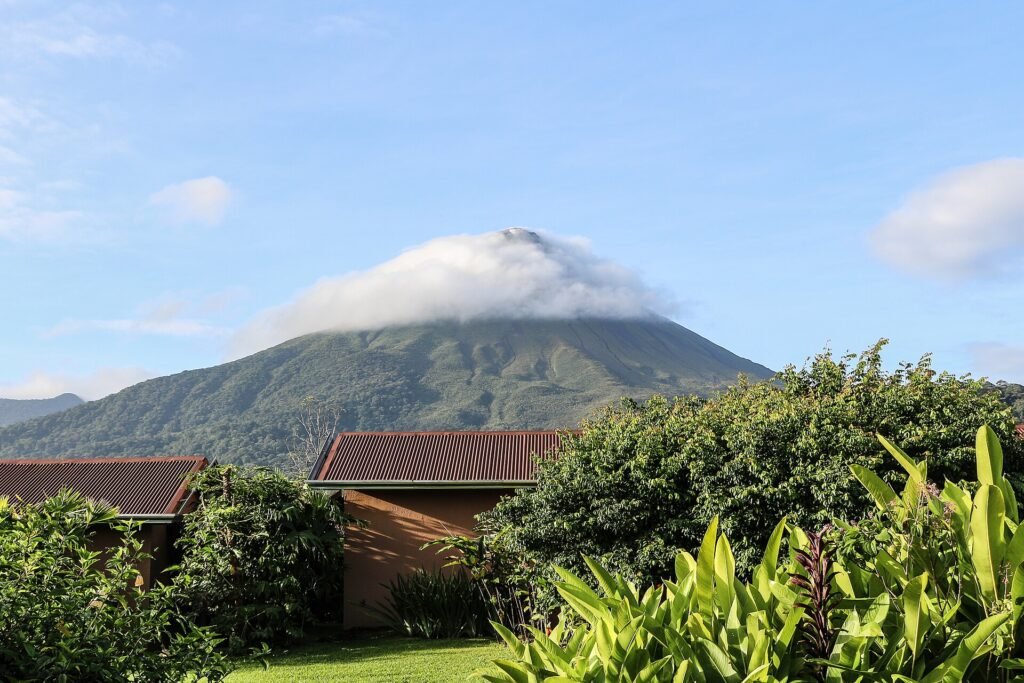
- Volcanoes: Poás, Rincón de la Vieja and Turrialba are active and their national parks close when activity rises. Never enter closed zones.
The dry season from December to April is the most popular and the safest for driving.
Wildlife: Real Risks and Overstated Ones
Costa Rica has venomous snakes, including the fer-de-lance (terciopelo), the bushmaster and several coral snakes, as well as crocodiles, bullet ants and scorpions. Bites are rare and almost always involve people walking off trail at night without a torch or putting hands where they cannot see. Wear closed shoes on trails, use a headlamp after dark, shake out boots and never handle wildlife. Our dedicated guide on snakes in Costa Rica covers species, where they live and what to do if bitten.
Solo and Female Travellers
Women report catcalling in San José and the party beach towns of Jacó and Tamarindo, but serious harassment is uncommon. Standard precautions apply: avoid walking on beaches or quiet streets alone at night, watch your drink in bars, use licensed taxis or Uber after dark, and share your itinerary with someone.
Emergency Numbers and Where to Get Help
- 911 is the national emergency number for police, ambulance and fire; English-speaking operators are usually available.
- The Tourist Police patrol major beach towns and central San José.
Travel Insurance and Money
Buy a policy that covers medical treatment and evacuation, adventure activities such as zip-lining, white-water rafting and surfing, and rental-car excess if you plan to drive. Check whether it covers theft from an unattended vehicle; many policies do not, which is one more reason to leave nothing in the car. This is general information, not financial or legal advice.
Cards are widely accepted, and US dollars are taken almost everywhere alongside colones; carry small bills for buses, sodas and tips. For a broader checklist of documents, money and insurance that applies anywhere, see our guide to staying safe when traveling abroad.
How to Set Up a Safe Trip: Step by Step
- Read the current US State Department, FCDO and travel.gc.ca pages and note the specific neighbourhoods and beaches they mention.
- Book travel insurance that includes evacuation and adventure sports before paying deposits.
- Decide on transport: shared shuttles for a stress-free first visit, a 4×4 with full insurance if you want freedom.
- Choose accommodation with secure parking and in-room safes, and pack repellent, a headlamp and a small padlock.
- Ask about rip currents at every beach before you swim, and never leave belongings on the sand.
Frequently Asked Questions
Is Costa Rica safe to visit right now?
Yes. All major government advisories rate it as a destination requiring normal to increased caution, with no regions to avoid. Crime has risen in specific areas tied to drug trafficking, but tourists are rarely involved. The ocean and the roads deserve more of your attention than crime.
Which parts of Costa Rica should tourists be careful in?
Downtown San José after dark, the port of Limón, and quiet beaches at night anywhere. Jacó and Tamarindo have more petty crime and drug-related activity than smaller beach towns. Visit these places by all means, but keep valuables secure and use taxis at night.
Is Costa Rica safe for solo female travellers?
Yes, and it is one of the most popular solo destinations in Latin America. Catcalling happens in San José and the party beach towns, but serious incidents are uncommon. Avoid beaches and quiet streets alone at night and use licensed taxis or Uber after dark.
Is it safe to drive in Costa Rica?
It is manageable in daylight with a 4×4, patience and the Waze app. Night driving outside towns, river fords in the rainy season and Route 32 to the Caribbean are where most problems happen. Shared shuttles are a good alternative for nervous drivers.
Bottom Line
The current safety advice for travel in Costa Rica is reassuring: a stable, friendly country with excellent healthcare and no no-go regions. The hazards are specific and avoidable. Respect the ocean, drive in daylight, leave nothing in the car, use repellent, and the biggest danger you will face is deciding whether to spend your last day in the cloud forest or on the beach.