Most trips go wrong in boring ways. A phone lifted on a crowded metro, a stomach bug from the wrong ice, a scooter crash on a wet road, an expired passport noticed at check-in. Staying safe when traveling abroad is less about dramatic threats and more about closing those everyday gaps before you leave and keeping a few habits once you arrive.
This guide is the system we use for every destination on SafeJourney Guide: how to read government advisories properly, which documents and cards to carry, where petty crime actually happens, the transport and health risks behind most hospital visits, what solo travelers should adjust, and how to build a safety plan in an afternoon. Nothing here requires a money belt or paranoia, just preparation.
Contents
- Safety at a Glance: Where Travelers Actually Get Hurt
- How Do You Research a Destination Properly?
- Documents, Money and Cards on the Road
- Where Does Petty Crime Happen?
- Transport: The Risk Most People Underestimate
- Health: Water, Food, Heat, Altitude and Mosquitoes
- Solo Travelers, Women, Natural Hazards and Emergency Numbers
- How to Build Your Safety Plan: Step by Step
- Frequently Asked Questions
- The Bottom Line
Safety at a Glance: Where Travelers Actually Get Hurt
| Risk area | Typical level | Notes |
|---|---|---|
| Road traffic | High | The leading cause of serious injury to travelers worldwide, especially scooters and night driving. |
| Illness and infection | Moderate to high | Food and water illness, mosquito-borne disease, altitude and heat cause far more disruption than crime. |
| Petty theft | Moderate | Concentrated in transit hubs, tourist streets and nightlife areas; rarely violent. |
| Violent crime | Low in most destinations | Check advisory levels; stay out of specific districts rather than whole countries. |
| Natural hazards | Low to moderate | Hurricanes, monsoon flooding, earthquakes and wildfire are seasonal and forecastable. |
| Paperwork and money problems | Moderate | Expired passports, frozen cards and lost documents strand more people than anything else. |
How Do You Research a Destination Properly?
Start with official advisories rather than forum anecdotes. The US State Department rates every country from Level 1 (“exercise normal precautions”) to Level 4 (“do not travel”), and the detail underneath the headline level is what matters, because a country can be Level 2 overall with specific regions at Level 4. The UK FCDO, Canada’s travel.gc.ca and Australia’s Smartraveller publish their own assessments, and reading two of them side by side catches things one alone misses.
Then narrow down to the city. National statistics offices publish crime data, and crowd-sourced indexes such as Numbeo give a rough sense of how residents perceive safety, though neither should be read as precise. Our lists of the most dangerous cities in the world show how to use that information without writing off entire countries.
- Register your trip with your government’s traveler program: STEP for Americans, Smartraveller for Australians, the Registration of Canadians Abroad, or the FCDO’s email alerts for Britons.
- Note the address and phone number of your nearest embassy or consulate.
- Check entry rules: passport validity (many countries require six months), visa or e-visa, proof of onward travel and any vaccination certificates.
- Look up the local emergency number before you land; it is not 911 everywhere.
Documents, Money and Cards on the Road
Being stranded without access to money or ID is the most common serious problem travelers face, and it is entirely preventable. Photograph your passport, visa, insurance card, driver’s license and prescriptions, store the images in a cloud folder you can reach from any device, and leave paper copies with someone at home. Carry a photocopy day to day and leave the original passport in the hotel safe unless local law requires you to carry it.
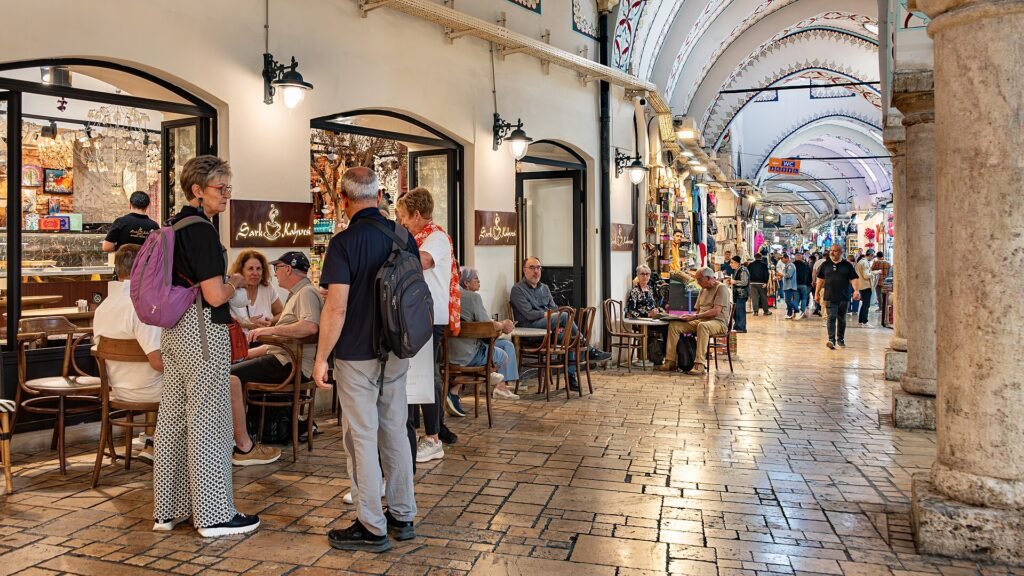
Money works best in layers. Carry two cards from different banks on different networks, keep one somewhere other than your wallet, and set a travel notice in each banking app so a foreign transaction does not freeze your account. Withdraw cash from ATMs inside bank branches during the day rather than standalone street machines, and decline “dynamic currency conversion” when a machine offers to charge you in your home currency, because the rate is almost always worse.
Travel insurance is the one purchase that turns a disaster into an inconvenience. Look for emergency medical cover with a high limit, medical evacuation, trip interruption and baggage, and read the exclusions: many policies will not pay for injuries on a motorcycle without a valid license, or for activities such as diving and skiing unless added. Credit card insurance is often more limited than people assume. This article is general information, not financial or legal advice.
Where Does Petty Crime Happen?
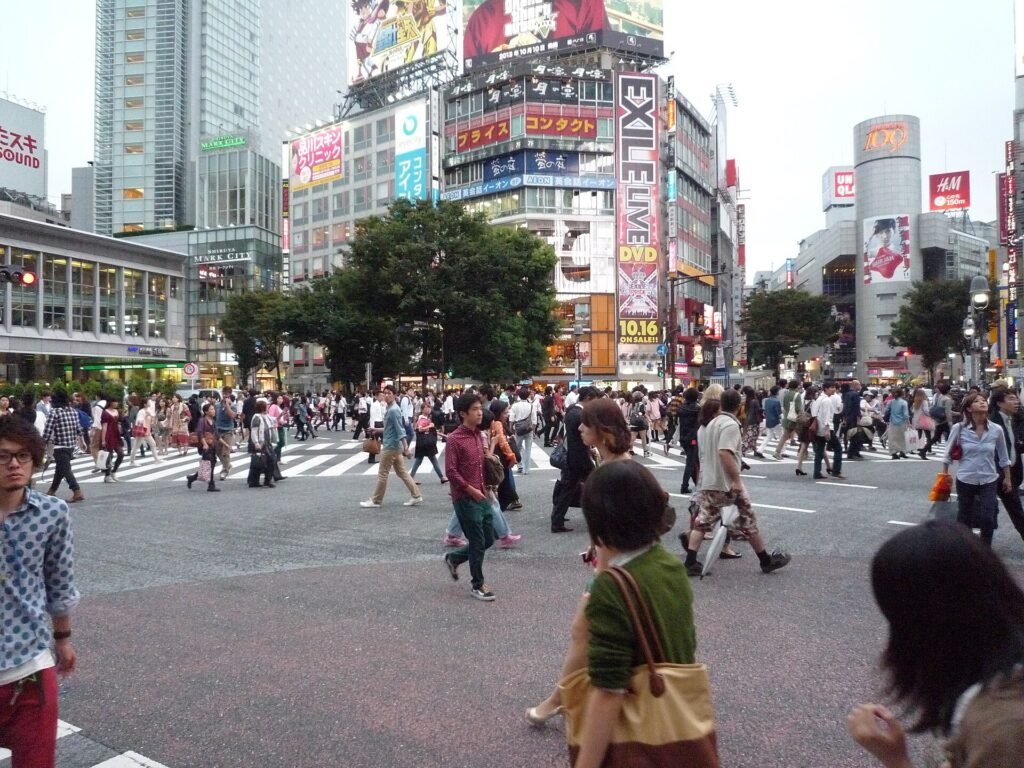
Pickpocketing and bag theft are not random. They cluster where distracted people carry valuables in tight spaces: metro doors, queues outside landmarks, market streets, hostel common rooms, unattended beach towels and nightlife districts after midnight. The technique is almost always distraction: a spilled drink, a petition, a dropped item or a crowd that forms suddenly around you.
The countermeasures are habits, not gadgets. Keep your phone in a front pocket or zipped bag, wear a bag across your body with the zip to the front, do not hang bags on chair backs, and keep your hand on your bag when a crowd pushes against you. In cafes, keep the phone off the table. On overnight trains, loop a strap through your bag and sleep with your valuables on you.
Misleading offers aimed at tourists are the other category: an unlicensed taxi at the airport, a “closed” attraction and a friendly local who knows another one, a bar bill with surprise charges, or accommodation that does not exist. Verify before you pay, book through official channels, and treat any pressure to decide immediately as a red flag.
Transport: The Risk Most People Underestimate
Road crashes injure and kill more travelers each year than crime does, according to the CDC’s travel health guidance. The risk is highest on rented scooters, in unlicensed taxis, on overnight buses and when driving in unfamiliar traffic after dark.
- Scooters: Ride only with a license valid for motorcycles, a proper helmet and insurance that covers two wheels. Never after drinking.
- Taxis: Use the official rank or a ride-hailing app with a tracked trip. Confirm the plate matches before getting in and share the trip with someone.
- Buses and trains: Daytime services on reputable operators beat cheap overnight buses on mountain roads. Keep valuables with you, not in the hold.
- Driving: Learn the side of the road, the local meaning of a flashing headlight and whether an international driving permit is required before you pick up the keys.
Flying, by contrast, is the safest part of almost every trip. If turbulence makes you nervous, our explainer on how safe flying is shows why the statistics are so reassuring.
Health: Water, Food, Heat, Altitude and Mosquitoes
See a travel clinic six to eight weeks before departure and check the CDC and WHO pages for each country. Routine vaccinations should be current, and hepatitis A, typhoid, rabies and yellow fever come up often depending on the region. Some countries require proof of yellow fever vaccination at the border.
On the road, the rules are simple. Drink bottled or treated water where the tap is not safe, and remember that ice and salads carry the same risk. Eat at busy places with high turnover. In hot climates, treat a headache, dizziness or nausea as early heat exhaustion and get into the shade with water. Above roughly 2,500 meters, ascend slowly, avoid alcohol on the first night and descend if a headache worsens. Where dengue, malaria or Zika are present, use repellent containing DEET or picaridin, cover up at dusk and sleep under screens or a net. Carry your prescriptions in original packaging with a copy of the script.
Destination-specific hazards matter too. In some places the real health risk is seasonal smoke or lightning rather than disease, as our guide to the overlooked dangers in Singapore shows.
Solo Travelers, Women, Natural Hazards and Emergency Numbers
Solo and female travelers
Solo travel is safe in most of the world with a few adjustments. Arrive in a new city in daylight, choose accommodation with a staffed reception and good recent reviews, and check in daily with someone at home. Women report fewer problems when they dress roughly as local women do, decline unsolicited help with bags, and use ride-hailing apps rather than street taxis at night. Trust the feeling that something is off and leave.

Natural hazards and seasons
Most natural hazards are seasonal and forecastable. Caribbean and Atlantic hurricane season runs roughly June to November, typhoons hit East Asia in late summer, monsoon flooding affects South and Southeast Asia for months at a time, and wildfire seasons in Australia, the Mediterranean and western North America are lengthening. Check the season before you book, know your hotel’s evacuation route, and follow local authorities rather than social media during an event.
Emergency numbers worth memorizing
The number is not the same everywhere. It is 112 across the European Union and many other countries, 911 in the US and Canada, 999 in the UK, 000 in Australia, 110 for police and 119 for ambulance in Japan, and 191 for police in Thailand. Dialing 112 on a mobile phone connects to emergency services in a large number of countries even where it is not the official number, but confirm the local one before you need it.
How to Build Your Safety Plan: Step by Step
- Six weeks out: Read two government advisories, book a travel clinic appointment, check passport validity and visa rules.
- Four weeks out: Buy travel insurance and read the exclusions. Register your trip with your government’s traveler program.
- Two weeks out: Photograph documents to the cloud, order a second card, set travel notices with your banks, download offline maps and a translation app.
- One week out: Save the local emergency number, your embassy’s contact details and your insurer’s 24-hour line in your phone and on paper.
- On arrival: Take an official taxi or tracked ride from the airport, leave your passport in the safe, carry a copy, and walk your neighborhood in daylight before you explore at night.
- Every day: Phone in front pocket, bag zipped and in front, water bottle full, one person at home knows where you are.
For a worked example of how this plays out in a single destination, see our current safety advice for travel in Costa Rica.
Frequently Asked Questions
Is it safe to use my phone in public abroad?
Yes, with awareness. Phone snatching by passing motorbikes or cyclists is reported in many big cities, so step away from the curb when using your phone and keep a firm grip near the road. Enable remote wipe and a strong lock screen before you travel.
Should I carry my passport or a copy?
Carry a copy unless local law requires the original, which is the case in a small number of countries. Keep the original in the hotel safe. If you do need to carry it, use an inside zipped pocket rather than a bag.
What is the single most useful safety purchase?
Comprehensive travel insurance with medical evacuation. A helicopter evacuation or a flight home with medical escort can cost tens of thousands of dollars, and no other purchase covers that gap. A second bank card from a different provider is a close second.
How do I know if a neighborhood is safe at night?
Ask your hotel or host directly and specifically about the streets you plan to walk. Look for lighting, open businesses and other pedestrians, and notice whether residents themselves are out. If the answer is uncertain, take a tracked ride instead.
What should I do if I am robbed?
Do not resist. Report it to the local police and get a written report, which your insurer will need. Freeze your cards through the banking app and contact your embassy if your passport is gone.
The Bottom Line
Staying safe when traveling abroad comes down to preparation and a handful of habits. Read the official advisories at the regional level, insure yourself properly, back up your documents and money, treat roads and mosquitoes as the real hazards they are, and keep your phone and bag where thieves cannot reach them. Do that and the overwhelming majority of trips end with nothing worse than a sunburn, which is exactly how it should be.