The cheapest places to live in Colombia are not Medellín or Bogotá, where a decade of foreign arrivals has pushed rents in the popular neighbourhoods toward North American levels. They are the coffee-region cities of Manizales, Pereira and Armenia, the Andean university towns of Tunja, Popayán and Pasto, and under-the-radar regional capitals such as Bucaramanga and Ibagué, where a modern one-bedroom apartment rents for 800,000 to 1.8 million pesos a month (roughly $190 to $430).
Contents
This guide ranks 11 affordable Colombian cities with hedged rent ranges in pesos and US dollars as of 2026 (at about 4,200 pesos to the dollar; the rate moves, so check it), who each suits, and the downsides, including an honest word on safety for each. It ends with the visa routes that let foreigners stay legally, because Colombia, unlike many of its neighbours, actually has good ones.
Rents come from the main Colombian listing portals, Fincaraíz and Metrocuadrado, and from Numbeo; use the same sites to check current figures before you commit. One Colombian quirk to understand first: every address has an “estrato” rating from 1 to 6 that sets utility prices. Estrato 3 and 4 neighbourhoods are where most foreigners land, with a middle-class feel and moderate bills.
Why is regional Colombia so cheap?
Colombia’s peso is weak against the dollar, wages are low, and the foreign money that reshaped El Poblado in Medellín and Chapinero in Bogotá has barely touched the regional capitals. Those cities have universities, hospitals and airports but almost no tourist economy, so prices are set by local salaries. Cheap, frequent domestic flights mean Pereira or Bucaramanga does not cut you off from the big cities.
11 Cheapest Places to Live in Colombia
1. Manizales, Caldas
A hilly university city in the heart of the coffee region, Manizales has a spring-like climate, a strong student population and one-bedroom rents of 900,000 to 1.6 million pesos ($215 to $380). The Nevado del Ruiz volcano and thermal springs are nearby. Downsides are steep streets, frequent cloud and rain, and a small expat community. It suits students, remote workers and anyone who wants the coffee region without Pereira’s sprawl.
2. Pereira, Risaralda
The commercial hub of the coffee region has an international airport, shopping malls, a warm climate and a growing foreign community. Expect 1 to 1.8 million pesos ($240 to $430) for a one-bedroom in a good estrato 4 neighbourhood such as Pinares or Álamos. Pereira is the practical base for the Eje Cafetero. The downside is a city centre that is busy and less safe after dark; stick to the residential districts.
3. Armenia, Quindío
The third coffee-region capital is the smallest and quietest, with rents of 900,000 to 1.6 million pesos ($215 to $380) and the town of Salento and the Cocora Valley wax palms half an hour away. Armenia has a mild climate and a slower pace that appeals to retirees on a pension visa. It is less connected than Pereira, with a smaller airport, and nightlife is limited.
4. Bucaramanga, Santander
Often called the “city of parks”, Bucaramanga is a clean, orderly city of about a million people with a warm climate, a strong middle class and one-bedroom rents of 1 to 1.8 million pesos ($240 to $430) in neighbourhoods like Cabecera. It has good hospitals and the Chicamocha Canyon on its doorstep. The downsides are heat (it sits at 950 metres) and a long drive to the coast or Bogotá.
5. Ibagué, Tolima
Colombia’s “musical capital” is a mid-sized city between Bogotá and the coffee region with some of the lowest rents on the list: 800,000 to 1.5 million pesos ($190 to $360). It is warm, green and unpretentious, with the Combeima Canyon for hiking. The foreign community is tiny, English is rare and the city has little to offer tourists, which is exactly why it is cheap.
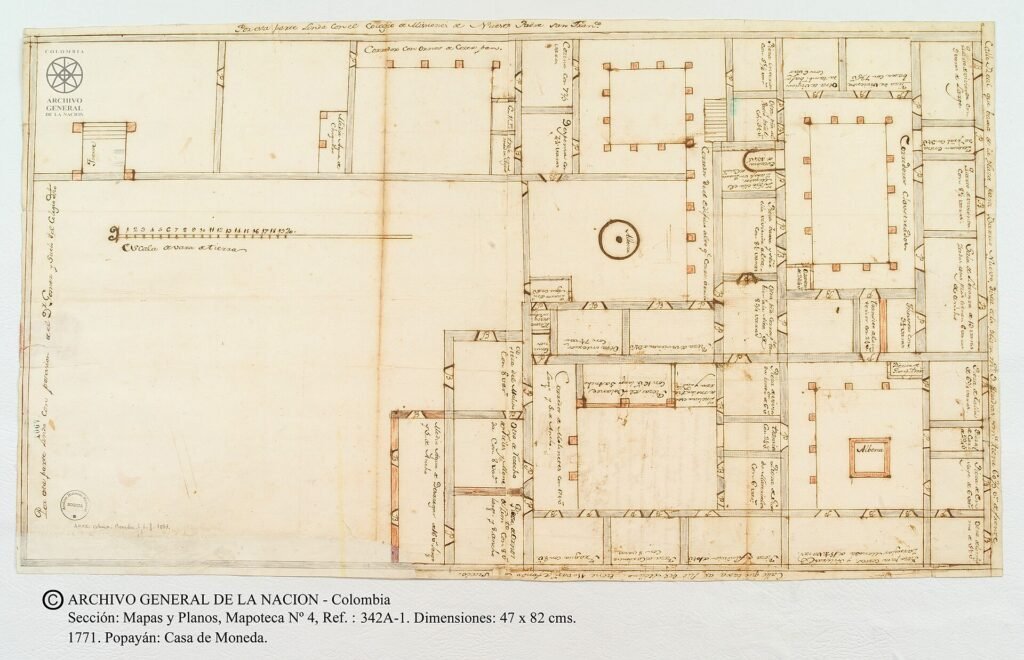
6. Popayán, Cauca
The whitewashed colonial “White City” is one of Colombia’s most beautiful and one of its cheapest: 800,000 to 1.4 million pesos ($190 to $335) for a one-bedroom. It has a historic university, Holy Week processions and a cool climate at 1,700 metres. The important caveat is that the surrounding Cauca department carries a higher-level warning in the US State Department advisory because of armed-group activity; the city itself is calmer, but you should not travel the rural roads casually.
7. Tunja, Boyacá
The capital of Boyacá sits at 2,800 metres, two and a half hours from Bogotá, with colonial architecture, a big student population and rents of 800,000 to 1.4 million pesos ($190 to $335). Villa de Leyva, one of Colombia’s prettiest villages, is nearby. Downsides are the cold (nights fall below 10°C), altitude adjustment and a very conservative, quiet social scene.
8. Pasto, Nariño
Pasto is a highland city near the Ecuadorian border, beneath the Galeras volcano, with the Laguna de la Cocha and Las Lajas sanctuary within reach. Rents are among the cheapest in Colombia at 700,000 to 1.3 million pesos ($165 to $310). It is cool, rainy and very Colombian. The State Department advises against travel in parts of Nariño department, so research current conditions and stay within the city and main corridors.
9. Barranquilla, Atlántico
The Caribbean port city is the cheapest big-city option on the coast, with one-bedroom rents of 1.2 to 2.2 million pesos ($285 to $525) in estrato 4 and 5 neighbourhoods like El Prado and Alto Prado. It has a famous Carnival, an international airport and a large industrial job market. Heat and humidity are relentless, the beaches are a drive away, and some districts have notably higher reported street crime; choose your neighbourhood carefully.
10. Cali, Valle del Cauca
Colombia’s salsa capital is a large, hot, lively city where rents outside the premium south (Pance, Ciudad Jardín) run 1 to 2 million pesos ($240 to $480). Cali has good private hospitals, an international airport and genuinely cheap food. It also has a reputation for higher street crime than Medellín, which public advisories and local police data support in some districts. Expats concentrate in the south and west for that reason.
11. Santa Marta, Magdalena
The oldest Spanish city in Colombia is the budget beach option, cheaper than Cartagena: 1.2 to 2.2 million pesos ($285 to $525) for a one-bedroom in Rodadero or Bello Horizonte. Tayrona National Park and the Sierra Nevada are next door. Downsides are intense heat, seasonal water shortages, a tourist-pricing centre and petty theft on the beaches. It suits remote workers who want Caribbean living on a budget.
Rent comparison table
Monthly rent for a furnished or unfurnished one-bedroom apartment in a mid-range (estrato 3 to 4) neighbourhood, as of 2026.
| City | Climate | Monthly rent (COP) | Approx. USD | Best for |
|---|---|---|---|---|
| Pasto | Cool highland | 700,000–1.3m | $165–310 | Lowest rents |
| Ibagué | Warm | 800,000–1.5m | $190–360 | Quiet, central |
| Popayán | Mild | 800,000–1.4m | $190–335 | Colonial charm |
| Tunja | Cold highland | 800,000–1.4m | $190–335 | Students, Bogotá access |
| Manizales | Spring-like | 900,000–1.6m | $215–380 | Students, remote work |
| Armenia | Mild | 900,000–1.6m | $215–380 | Retirees |
| Pereira | Warm | 1m–1.8m | $240–430 | Coffee-region base |
| Bucaramanga | Warm | 1m–1.8m | $240–430 | Families, order |
| Cali | Hot | 1m–2m | $240–480 | Big-city budget |
| Barranquilla | Hot, humid | 1.2m–2.2m | $285–525 | Caribbean city |
| Santa Marta | Hot | 1.2m–2.2m | $285–525 | Beach on a budget |
Monthly budget beyond rent
- Utilities in an estrato 3 or 4 flat: 200,000–450,000 pesos, higher with air conditioning on the coast
- Internet and mobile: 100,000–180,000 pesos
- Groceries and eating out, mixed local and imported: 1–1.8 million pesos
- Transport (buses, taxis, ride apps): 150,000–400,000 pesos
- Health cover: EPS contributions for residents, or private “medicina prepagada” plans that many expats add; budget $60–200 a month
A single person can live well in the cheaper cities on 3 to 5 million pesos ($715 to $1,190) a month, which is also the band the main visa income requirements fall into.
Visas and residency for foreigners
Colombia’s visa system is one of the most accessible in the Americas. The main routes, issued by the Ministry of Foreign Affairs (Cancillería) and all applied for online, are:
- Tourist entry: 90 days visa-free for most Western nationals, extendable to 180 days per calendar year. Not a residence status.
- Digital Nomad visa (Visa V): up to two years for remote workers employed by or running a foreign company, with proof of income of roughly three times the Colombian minimum wage (check the current figure; it rises each January).
- Pensioner visa (Visa M): for retirees with a lifetime pension of around three times the minimum wage, renewable and leading to permanent residency after five years.
- Rentista visa (Visa M): for people with stable passive income, at a higher threshold than the pension visa.
- Work visa (Visa M): requires a Colombian employer contract.
- Marriage or partner visa (Visa M): for spouses and permanent partners of Colombians.
- Real estate investment visa (Visa M): for property purchases above a threshold set in minimum wages.
After approval you register with Migración Colombia and get a cédula de extranjería, which unlocks bank accounts, leases and the EPS health system. Immigration lawyers in Medellín and Bogotá handle applications for a modest fee and are worth it for pension and investment visas. This is general information, not legal advice.
Is it safe to live in these cities?
Colombia carries a Level 3 “reconsider travel” rating from the US State Department as of 2026, with Level 4 warnings for specific departments and border zones; the UK FCDO and Canada’s travel.gc.ca publish similar region-by-region advice. In practice, the regional capitals on this list have lower reported street crime than central Bogotá, Medellín or Cali, and expats there describe daily life as calm. The rules that matter: do not display phones or jewellery on the street, use ride apps rather than hailing taxis at night, avoid rural roads in Cauca and Nariño, and be careful with drinks and dating-app meetings, which public advisories flag. The national emergency number is 123.
Altitude matters in Tunja, Pasto and Manizales; take a few days to adjust. Tap water is drinkable in most of the big cities but not everywhere, so ask locally. Yellow fever vaccination is recommended for the Caribbean coast and Amazon regions, and dengue is present below about 2,000 metres; check the CDC or WHO before travelling.
For wider context, read our guide to staying safe when travelling abroad, see how Colombia’s cities compare in our look at the most dangerous cities in the world, and check the current safety advice for Costa Rica if you are comparing Latin American bases. For an Asian benchmark, see the cheapest places to live in Vietnam.
How to rent an apartment in Colombia
- Arrive on a tourist stamp, book a furnished place on a monthly basis and search locally; landlords prefer to meet tenants.
- Search Fincaraíz, Metrocuadrado and neighbourhood Facebook groups, filtering by estrato.
- Expect a traditional lease to ask for a Colombian co-signer (fiador) or an insurance policy in place of one; furnished short-term rentals skip this but cost more.
- Get the contract in writing, pay the deposit by bank transfer, and keep every receipt.
- Open a Colombian bank account once you have your cédula; until then, use a low-fee international transfer service and withdraw from ATMs inside banks or malls.
Frequently Asked Questions
What is the cheapest city in Colombia for expats?
Pasto and Ibagué have the lowest rents on this list, but Manizales and Armenia usually offer the best combination of low cost, mild climate and enough infrastructure for a foreigner to settle comfortably.
Is Medellín still cheap?
Outside El Poblado and Laureles, yes, but the neighbourhoods foreigners favour now rent for two to three times the figures in this guide. Medellín remains a good city; it is simply no longer the budget choice it was.
Can I retire to Colombia?
Yes. The pension visa is one of the most straightforward retirement routes in Latin America, needing a verified lifetime pension of about three times the minimum wage. After five years on a migrant visa you can apply for a resident visa.
Do I need Spanish?
In every city on this list, yes, at least to a functional level. English is uncommon outside universities and tourist businesses, and leases, visas and medical care run in Spanish. Language schools are inexpensive.
Bottom line
Colombia combines some of the lowest rents in the Americas with realistic visas for remote workers and retirees. Skip the famous neighbourhoods, choose a regional capital that matches your climate preference, check the current advisory for its department, and you can live well on about $1,000 a month in 2026.