Los Angeles is a patchwork of more than a hundred neighborhoods, and the safest neighborhoods in Los Angeles feel more like quiet suburbs than part of the second-largest city in the country. The LAPD publishes incident data for every reporting district on the city’s open data portal and through its public crime map, and the pattern is consistent: the hillside and Westside communities west of the 405, the planned neighborhoods near the coast, and the family suburbs of the west and north San Fernando Valley report the least crime year after year.
One note on scope. Many “safe LA” lists include Beverly Hills, Santa Monica, Culver City and Pasadena, but those are separate cities with their own police departments. Everything below is inside the City of Los Angeles. We have also left out Pacific Palisades, normally a fixture on lists like this, because it is still rebuilding after the January 2025 wildfire and its housing market is not yet back to normal.
For each neighborhood you will find its character, who it suits, the typical housing, what makes it feel safe, what is nearby and a cost tier from affordable to premium. Safety is described qualitatively; the LAPD map is where to check current figures for an exact address.
Contents
How we chose these neighborhoods
We started with the LAPD reporting districts that consistently show the fewest violent and property crimes per resident, then considered what residents say about walking after dark, lighting, neighborhood watch activity and traffic. Because Los Angeles is a driving city, we also weighed whether a neighborhood has a walkable core, since streets with people on them are safer than streets with only cars. Finally we checked that each entry has the schools, parks and transit links that make it somewhere you would want to live.
The 10 safest neighborhoods in Los Angeles
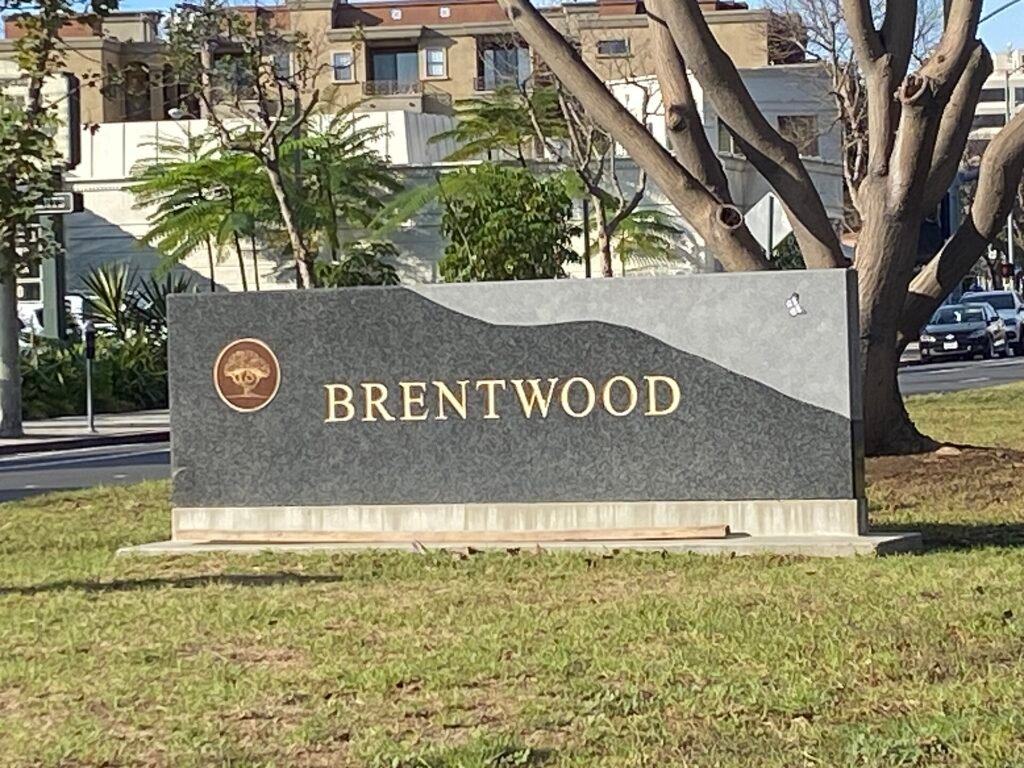
1. Brentwood
Brentwood sits between the 405 and the Santa Monica city line, with San Vicente Boulevard’s coral trees and the Brentwood Country Mart as its social spine. The Getty Center is at its northern edge. The LAPD’s West Los Angeles division covers it, and reported crime is mostly car break-ins and residential burglary rather than anything violent. It suits families, executives and anyone who wants calm streets close to the beach. Housing is large single-family homes north of Sunset and condos and apartments south of San Vicente. Cost tier: premium.
2. Bel Air
Bel Air is the hillside estate district north of Sunset Boulevard, west of Beverly Hills, famous for gated compounds, winding private roads and the Hotel Bel-Air. The low density, private security patrols and a single main entrance on Bel Air Road make it one of the least-visited parts of the city by anyone who does not live there. It suits people buying at the very top of the market and wanting privacy. Housing is almost entirely large single-family estates. Cost tier: premium, among the highest in the United States.
3. Westwood
Westwood is home to UCLA, the Hammer Museum and Westwood Village, which gives it a built-in population of students, staff and medical workers on the streets at all hours. The campus police and the LAPD both patrol, and the village is lit and busy into the evening. The Metro D Line subway extension reaching Westwood is making it one of the few Westside neighborhoods where you can live without a car. It suits students, academics, hospital staff and young professionals. Housing is apartments and condos south of Wilshire and single-family homes in Westwood Hills and Little Holmby. Cost tier: mid to premium.
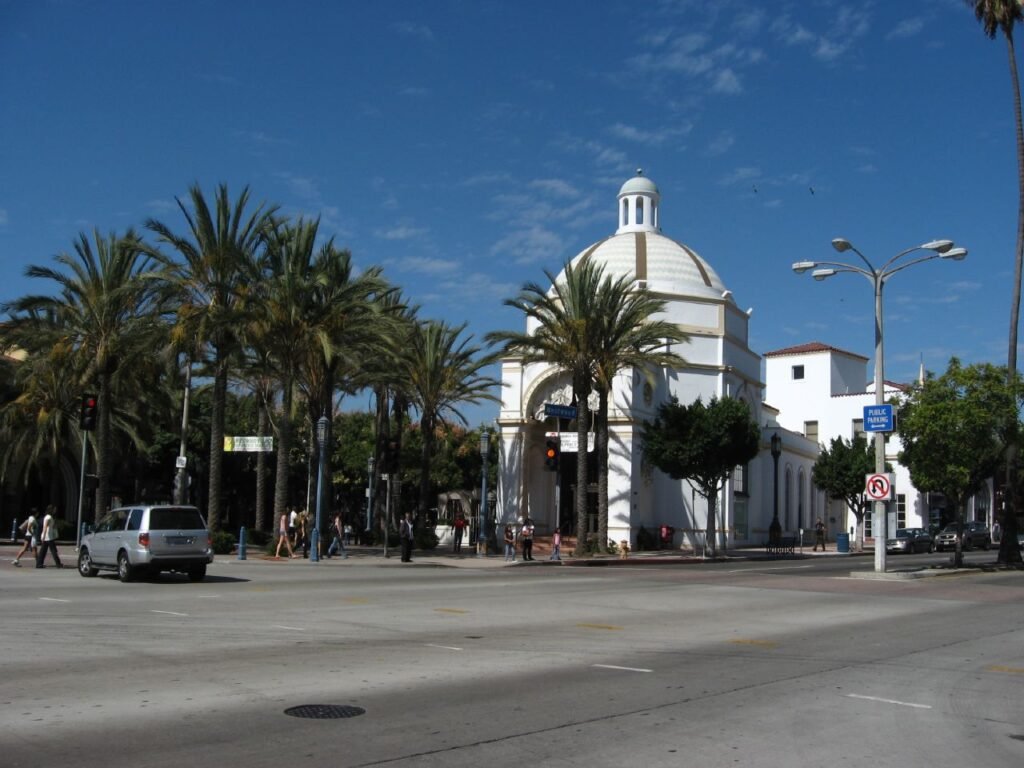
4. Playa Vista
Playa Vista is a master-planned community built on the former Hughes Aircraft site near the Ballona Wetlands, and it is the heart of the “Silicon Beach” tech cluster with offices for Google, YouTube and others. Wide sidewalks, a central park, a private security presence and a homeowners’ association that manages lighting and landscaping give it a very low reported crime record. It suits tech workers and young families who want new construction and walkability. Housing is new apartments, condos and townhouses. Cost tier: premium.
5. Westchester
Westchester occupies the bluffs just north of LAX and around Loyola Marymount University. It is a mid-century suburb of ranch houses and well-kept lawns, with the Kentwood section particularly quiet. Reported crime is low and mostly property-related. The downside is aircraft noise in the southern streets; the upside is prices below neighboring Playa Vista and quick access to the beach and the airport. It suits families, airline and airport workers and anyone wanting a house on the Westside without Westside prices. Housing is single-family homes. Cost tier: mid.
6. Porter Ranch
Porter Ranch spreads across the foothills of the Santa Susana Mountains in the far northwest Valley, and much of it is made up of gated communities with their own security. It reliably reports among the lowest crime of any LAPD area. Residents should know its history: the 2015 Aliso Canyon gas leak forced thousands out for months, and the facility remains a local political issue. It suits families who want new houses, strong schools and hiking trails on the doorstep. Housing is large newer single-family homes. Cost tier: mid to premium.
7. Woodland Hills
Woodland Hills anchors the southwest Valley with the Warner Center business district, the Topanga mall and a long stretch of Ventura Boulevard. The hillside streets south of the boulevard are leafy and quiet, and reported crime is concentrated in the commercial areas rather than the residential ones. Summer heat regularly tops 100°F, which is the main complaint. It suits families and commuters working in the Valley or Calabasas. Housing is ranch houses and larger hillside homes, plus new apartment blocks around Warner Center. Cost tier: mid.
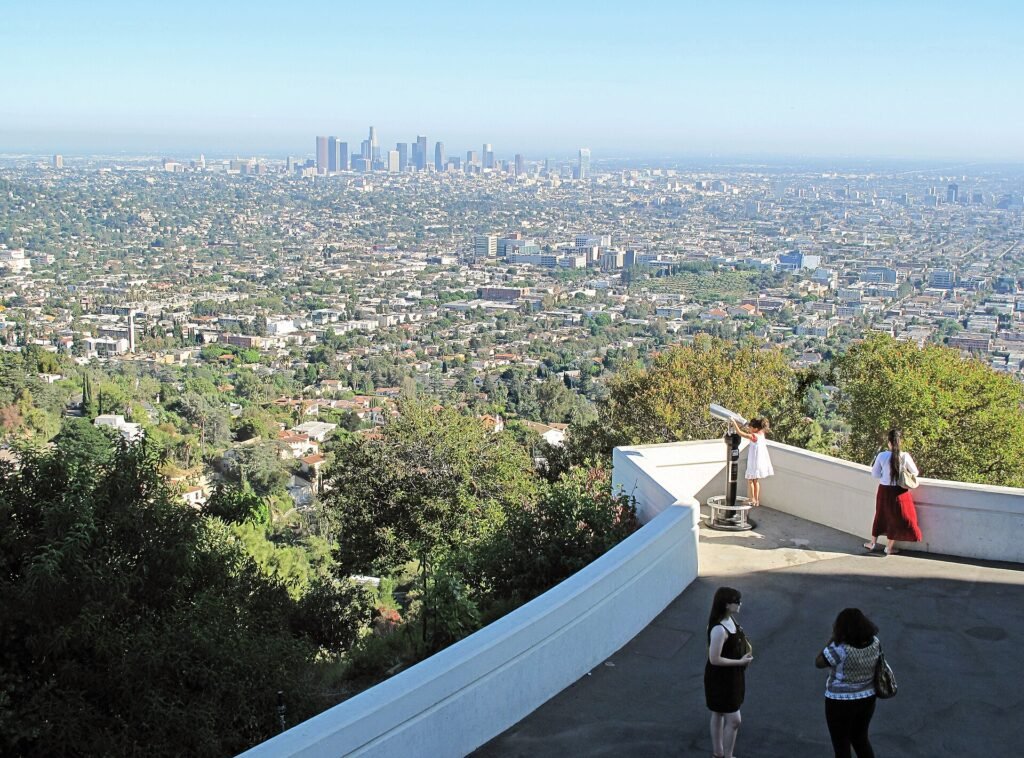
8. Sherman Oaks
Sherman Oaks is the Valley neighborhood people choose when they want to be near the Westside without paying for it, with the Sherman Oaks Galleria, a busy Ventura Boulevard restaurant row and quick access over the hills via the 405 and Sepulveda. Streets south of Ventura are hilly and calm; the flats north of it are busier but still low in reported crime. It suits families and entertainment-industry workers. Housing is single-family homes south of the boulevard and apartments and condos to the north. Cost tier: mid to premium.
9. Studio City
Studio City takes its name from the CBS Radford lot, and its Ventura Boulevard stretch of cafes, sushi bars and the Sunday farmers’ market gives it one of the most walkable cores in the Valley. Fryman Canyon and Wilacre Park offer hiking a few minutes from the shops. Reported crime is low and mostly car break-ins. It suits writers, producers and families drawn to Carpenter Elementary. Housing is hillside homes, ranch houses in the Colfax Meadows section and apartments along the boulevard. Cost tier: premium.
10. Los Feliz
Los Feliz is the only neighborhood on this list east of Hollywood, and it earns its place through character and activity: Griffith Park and the Observatory are its back garden, Vermont and Hillhurst Avenues are lit and busy every evening, and the Spanish and Craftsman houses in the hills are coveted by the film industry. Reported crime is low in the hills and rises closer to Hollywood and Vermont’s busier blocks. It suits creative professionals and families who want an old-LA feel. Housing is historic houses in the hills and vintage apartments below Franklin Avenue. Cost tier: premium.
Summary table
| Neighborhood | Vibe | Best for | Cost tier |
|---|---|---|---|
| Brentwood | Leafy Westside, coral trees, calm | Families, executives | Premium |
| Bel Air | Gated hillside estates | Top-of-market buyers | Premium (highest) |
| Westwood | University village, walkable | Students, academics, hospital staff | Mid to premium |
| Playa Vista | Planned, modern, tech-centric | Tech workers, young families | Premium |
| Westchester | Mid-century suburb near the beach | Families, airport workers | Mid |
| Porter Ranch | Gated foothill suburb | Families wanting new homes | Mid to premium |
| Woodland Hills | Valley suburb with business hub | Families, Valley commuters | Mid |
| Sherman Oaks | Hillside calm, boulevard buzz | Families, industry workers | Mid to premium |
| Studio City | Walkable Valley core, canyons | Creatives, families | Premium |
| Los Feliz | Historic hills beside Griffith Park | Creatives, families | Premium |
How to check an LA neighborhood before you sign
LA neighborhoods change within a few blocks, and crime is only one hazard worth checking.
- Look up the address on the LAPD’s public crime map or the city’s open data portal and filter to the past year.
- Check the state fire agency’s hazard severity map, because many hillside neighborhoods on this list sit in very high fire hazard zones that affect insurance and evacuation planning.
- Drive or walk the block at night and at the morning rush, since traffic and parking are what residents complain about most.
- Ask the landlord or agent about earthquake retrofitting for older buildings, which the city requires for certain soft-story and concrete structures.
- Contact the neighborhood council, which every LA neighborhood has, to hear what issues are live locally.
Costs to budget for
The safest parts of Los Angeles are mostly car-dependent and hillside, which adds costs beyond rent or mortgage. This is general information, not financial advice.
- Car ownership and auto insurance, which runs higher in Los Angeles than the national average; compare quotes from several insurers.
- Renters or homeowners insurance, and note that in high fire hazard zones some private insurers have withdrawn, leaving the state’s FAIR Plan as a costlier backstop.
- Earthquake insurance, which is sold separately and is worth pricing through the California Earthquake Authority.
- Security deposit, which state law now caps at one month’s rent for most landlords.
- Utilities in the Valley, where summer air conditioning can dominate the bill.
If you are arriving from overseas, set up a US bank account and a credit card early, because landlords and insurers rely on a local credit history. For live prices check Zillow, Redfin or Apartments.com, and use Numbeo to compare overall living costs.
Frequently Asked Questions
What is the safest area of Los Angeles?
On LAPD data the lowest reported crime per resident is usually found in hillside and gated communities such as Bel Air, Porter Ranch and Brentwood, along with the planned community of Playa Vista. All four are low-density and have private security or homeowners’ associations, which is a large part of why.
Is the San Fernando Valley safer than the Westside?
The two are broadly comparable in their best neighborhoods. Porter Ranch, Woodland Hills, Sherman Oaks and Studio City in the Valley report crime as low as Brentwood or Westwood on the Westside, usually at lower prices but with hotter summers and longer drives to the coast.
Can I live in a safe LA neighborhood without a car?
Westwood, Studio City and Los Feliz come closest, with walkable commercial strips and bus or rail links. Everywhere else on this list assumes a car for daily life, though rideshare and e-bikes have made short trips easier.
Is Los Angeles safe for tourists?
Yes, in the areas visitors actually go. The main risks are car break-ins at trailheads and beach lots and phone theft in crowded spots, so leave nothing visible in a parked car. For general habits in an unfamiliar city, see our guide to staying safe when traveling abroad.
How does LA compare with other big US cities?
Los Angeles has lower violent crime per resident than many large American cities, and its safest neighborhoods rival any. Our guides to the safest neighborhoods in New York City and the safest neighborhoods in Chicago use the same method, and if you are considering the Pacific Northwest instead, see the pros and cons of living in Tacoma.
Bottom line
The safest neighborhoods in Los Angeles trade density for calm: hillsides, gates, planned streets and homeowners’ associations that keep lighting and landscaping in order. The real decisions are about commute, car dependence and, increasingly, fire and insurance risk. Check the LAPD map and the fire hazard map for any address you are serious about, and you will find a city that is far gentler on the ground than its size suggests.