The cheapest places to live in Vietnam are its mid-sized provincial cities: the old capital Hue, the highland town of Da Lat, Can Tho in the Mekong Delta, and coastal cities such as Quy Nhon and Vung Tau that tourism has not yet priced up. In most of them a modern one-bedroom apartment rents for 4 to 8 million dong a month (about $160 to $315), a bowl of pho costs under $2, and a full month’s living comes in under $1,000 without trying hard.
Contents
This guide covers 10 affordable cities with hedged rent ranges in Vietnamese dong and US dollars as of 2026 (at roughly 25,500 dong to the dollar; check the live rate), who each suits, the real downsides, and the visa situation, which is the part most “move to Vietnam” articles gloss over. Prices are from local listing sites such as Batdongsan and Facebook rental groups, which remain the main way foreigners find housing; cross-check with Numbeo.
One honest caveat up front: Vietnam has no retirement visa and no digital nomad visa. Cheap living is real, but long-term legal residence requires a job, a business, a Vietnamese spouse or a cycle of 90-day e-visas, and the rules shift often.
Why is Vietnam so cheap compared with Thailand?
Vietnam’s wages are lower than Thailand’s, its property market outside Hanoi and Ho Chi Minh City is less driven by foreign buyers, and its tourism industry is concentrated in a few spots (Da Nang, Hoi An, Nha Trang, Phu Quoc). Step outside those and you find Vietnamese-priced housing, food and services. Many of the cities below also have universities and hospitals, which keeps the quality of life well above their price tag.
10 Cheapest Places to Live in Vietnam
1. Hue
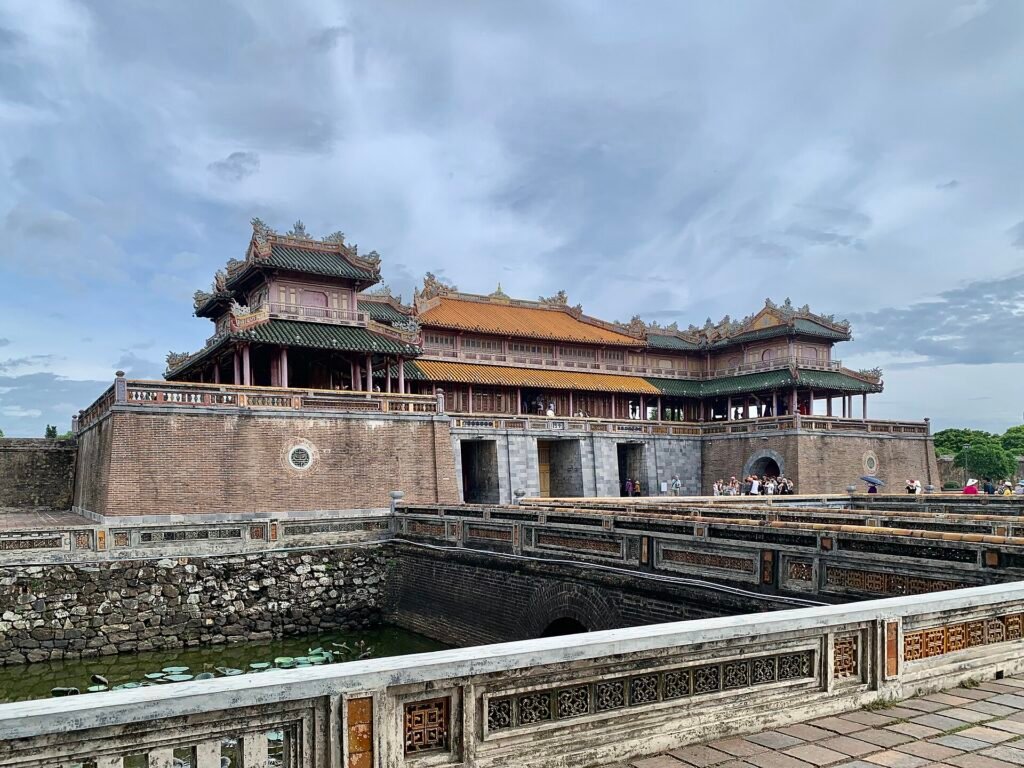
The former imperial capital on the Perfume River is calm, walkable and cheap: a one-bedroom apartment or a room in a modern guesthouse runs 4 to 8 million dong ($160 to $315) a month. Hue has the Citadel, royal tombs, a university and famously good food. Downsides are a long, grey rainy season from October to January and a small expat scene. It suits teachers at local schools, writers and anyone who finds Da Nang too busy.
2. Da Lat
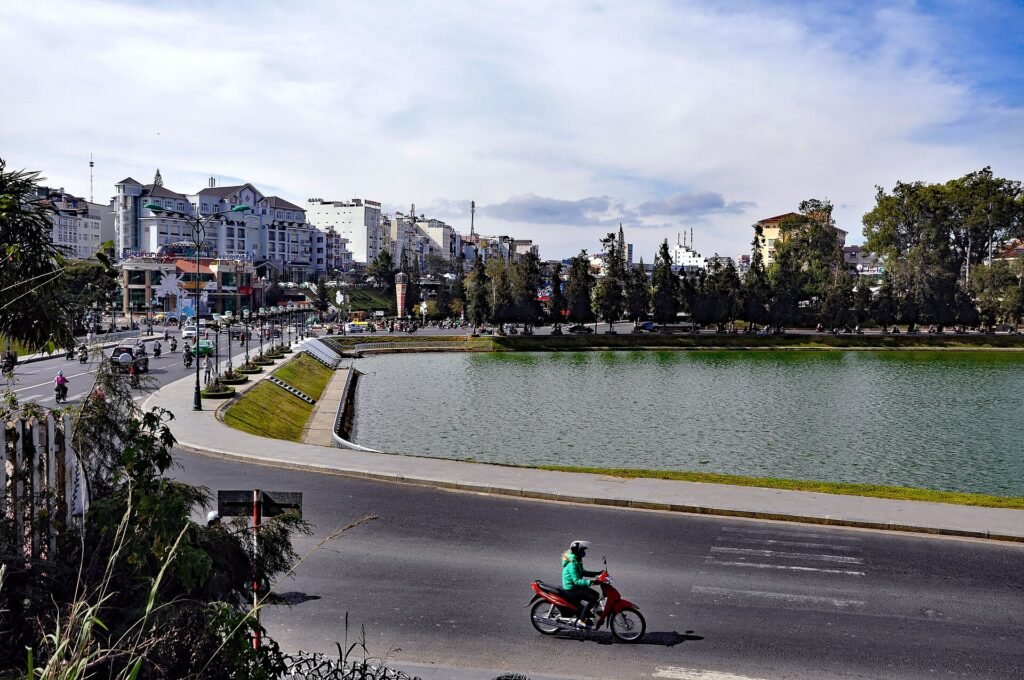
At 1,500 metres in the Central Highlands, Da Lat offers cool year-round temperatures, pine forests, strawberry farms and French colonial villas. Expect 4 to 8 million dong ($160 to $315) for a one-bedroom or a homestay room. The climate is the draw for people who cannot stand tropical heat. The downsides are heavy rain from May to October, weekend tourist crowds from Ho Chi Minh City and limited English-teaching work.
3. Can Tho
The largest city in the Mekong Delta is a friendly riverside university town with floating markets and almost no foreign residents. One-bedroom rents run 4 to 7 million dong ($160 to $275). The cost of food is among the lowest in the country. The flat delta is hot and humid all year, flooding affects some districts in the wet season, and you will need basic Vietnamese. Good for teachers at Can Tho University and anyone who wants full immersion.
4. Quy Nhon
This south-central beach city has a long sandy bay, Cham towers and a rapidly improving airport, but it is still a working Vietnamese city rather than a resort. A modern one-bedroom costs 4 to 8 million dong ($160 to $315). It suits remote workers and retirees with the right visa who want the coast without Nha Trang’s crowds. The expat community is tiny and international flights are limited.
5. Buon Ma Thuot
The coffee capital of Vietnam, in Dak Lak province, is one of the cheapest cities with real services: 3 to 6 million dong ($120 to $235) for a one-bedroom. The surrounding highlands have waterfalls, elephant conservation projects and endless coffee plantations. Downsides are isolation, a very small foreign community and almost no English. Best for coffee-industry people and long-term expats who already speak some Vietnamese.
6. Hai Phong
Vietnam’s third-largest city is a northern port with colonial architecture, excellent seafood and a growing factory belt that employs many foreign engineers. One-bedroom apartments run 5 to 10 million dong ($195 to $390). It is two hours from Hanoi by road and the gateway to Cat Ba Island and Ha Long Bay. The downsides are industrial air quality in some districts and cold, damp winters.
7. Vung Tau
A beach city two hours from Ho Chi Minh City, Vung Tau has an oil-industry expat base, a hydrofoil link to the city and one-bedroom rents of 6 to 10 million dong ($235 to $390). It is clean, orderly and has a decent international clinic. The sea is not Vietnam’s clearest, and weekends bring city crowds. Good for people who need Ho Chi Minh City access without its rents.
8. Nha Trang
Nha Trang is a full-scale beach resort city with a large Russian-speaking community, island day trips and modern apartment towers along the bay. Expect 6 to 12 million dong ($235 to $470) for a one-bedroom. It has an international airport and plenty of English-teaching work. Downsides are tourist pricing in the beachfront strip and a busy, built-up feel.
9. Hoi An
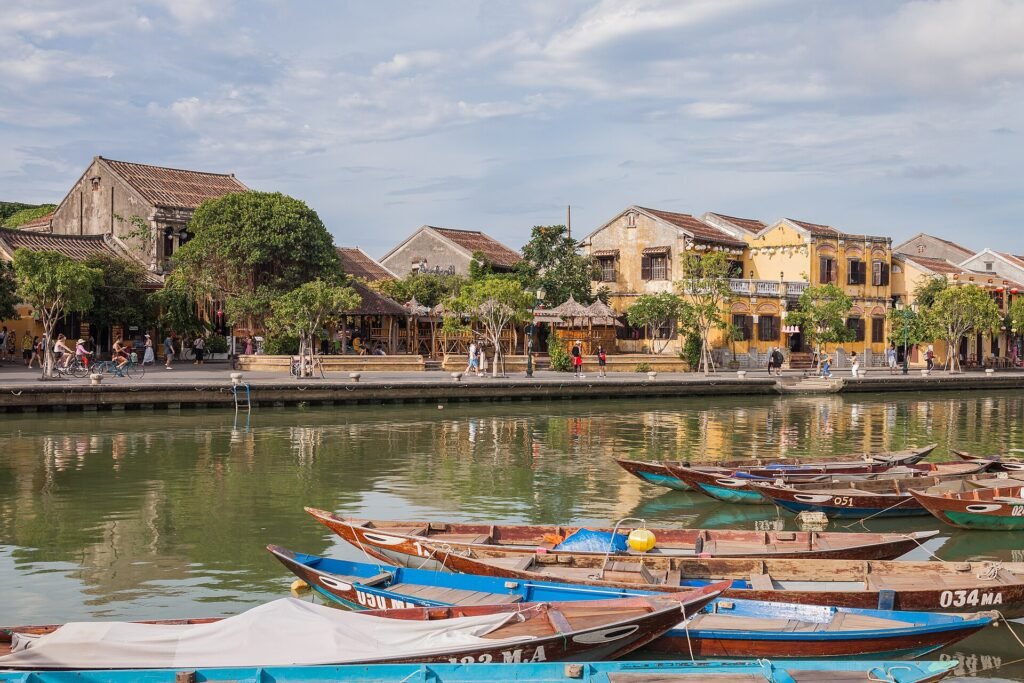
The lantern-lit ancient town is one of Vietnam’s most beautiful places to live, with rice paddies, An Bang beach and a well-established expat community. Houses and apartments in the surrounding villages rent for 6 to 12 million dong ($235 to $470). The old town itself is a tourist zone, flooding is an annual event in autumn, and prices have risen steadily. It suits families and remote workers who want community and charm.
10. Da Nang
Vietnam’s most popular expat city is the priciest on this list but still cheap by Western standards: 7 to 14 million dong ($275 to $550) for a modern one-bedroom near My Khe beach. You get an international airport, co-working spaces, hospitals, a mountain-and-beach setting and the Hai Van Pass on your doorstep. The downsides are typhoon season (September to November), rising rents and a louder construction scene than the smaller cities.
Rent comparison table
Monthly rent for a modern one-bedroom apartment or serviced studio, as of 2026. Furnished, utilities excluded.
| City | Region | Monthly rent (million dong) | Approx. USD | Best for |
|---|---|---|---|---|
| Buon Ma Thuot | Central Highlands | 3–6 | $120–235 | Coffee trade, immersion |
| Can Tho | Mekong Delta | 4–7 | $160–275 | Teachers, river life |
| Hue | North-central coast | 4–8 | $160–315 | History, calm pace |
| Da Lat | Central Highlands | 4–8 | $160–315 | Cool climate |
| Quy Nhon | South-central coast | 4–8 | $160–315 | Quiet beach |
| Hai Phong | North | 5–10 | $195–390 | Engineers, port jobs |
| Vung Tau | South | 6–10 | $235–390 | Ho Chi Minh City access |
| Nha Trang | South-central coast | 6–12 | $235–470 | Resort living |
| Hoi An | Central coast | 6–12 | $235–470 | Families, charm |
| Da Nang | Central coast | 7–14 | $275–550 | Remote workers |
What does a monthly budget look like?
A realistic single-person budget in one of the cheaper cities, as of 2026:
- Rent: 4–8 million dong
- Electricity (air conditioning is the big variable): 500,000–1.5 million dong
- Mobile data and home internet: 200,000–400,000 dong
- Food, mostly local, with some Western groceries: 4–6 million dong
- Motorbike rental and fuel, or Grab rides: 1–2 million dong
- Private health insurance: varies widely; budget $50–150 a month depending on age and cover
That is roughly 11 to 20 million dong ($430 to $785) a month. Da Nang, Hoi An and Nha Trang push the top of the range higher.
Visas: the part that matters most
Everything above depends on being allowed to stay. The real options, named plainly, are:
- E-visa: available to all nationalities, valid up to 90 days, single or multiple entry. Most long-term expats without jobs live on back-to-back e-visas with a border run between them. It is legal, but it is not residency, and immigration can refuse repeated entries.
- Work permit and work visa (LD): requires a sponsoring employer, a degree and usually relevant experience; English teachers also need a TEFL-type certificate. Leads to a Temporary Residence Card of up to two years.
- Investor visa (DT): for people who invest in or set up a Vietnamese company; the residence period scales with the capital invested.
- Spouse or family visa (TT): for people married to Vietnamese citizens or dependants of work-permit holders.
- Visa exemption for Vietnamese-origin foreigners and their families, up to five years.
There is no retirement visa and no digital nomad visa as of 2026, despite periodic announcements that one is being studied. Check the Vietnam Immigration Department’s official portal for current rules, and use a licensed visa agency or lawyer rather than an unofficial fixer; the fees are low and the paperwork is genuinely confusing. This is general information, not legal advice.
Health, safety and practicalities
Vietnam is a low-violent-crime country for foreigners; the common problems are bag-snatching from motorbikes in Ho Chi Minh City and Hanoi, overcharging, and traffic. The provincial cities on this list are calmer still. Road safety is the biggest genuine risk: if you ride a motorbike, get an international driving permit with a motorcycle category, wear a real helmet and check your travel or health insurance actually covers riding.
Tap water is not drinkable; buy or filter it. Dengue is present year-round in the south and in the summer rainy season in the north, and rabies is a risk from dogs and monkeys, so check the CDC or WHO advice on vaccinations before you go. Emergency numbers are 113 for police, 114 for fire and 115 for ambulance. Private hospitals in Da Nang, Nha Trang and Hai Phong are good; smaller cities will transfer serious cases to the big centres.
For more context, see our guide to staying safe when travelling abroad and our look at overlooked dangers in Singapore for a regional comparison. If teaching is your route in, read how safe Thailand is for English teachers, and if you want a pricier but highly developed alternative, see the cheapest places to live in Japan.
How to find a cheap apartment in Vietnam
- Book a guesthouse or serviced studio for the first two to four weeks and search in person; the best deals are never online.
- Use Facebook groups for your city, Batdongsan and local agents, who are usually free to tenants because landlords pay the fee.
- Negotiate: a 10 to 20 percent reduction for a six- or twelve-month lease is normal.
- Pay a one-month deposit at most, get a written contract in Vietnamese and English, and ask the landlord to register your address with local police (required for foreigners).
- Move money with a low-fee international transfer service; opening a Vietnamese bank account generally requires a residence card or work permit.
Frequently Asked Questions
Can I live in Vietnam on $1,000 a month?
Yes, comfortably, in any of the first seven cities on this list, and modestly in Da Nang or Hoi An. That covers a modern apartment, eating out daily, a motorbike and basic health insurance. Western groceries, imported wine and international schools are what blow the budget.
What is the cheapest city in Vietnam for expats?
Buon Ma Thuot and Can Tho are the cheapest on paper. Hue and Quy Nhon are usually the better bet because they combine low rents with enough infrastructure, flights and other foreigners to make daily life easy.
Can I stay long term without a job?
Only through repeated 90-day e-visas, which works for many people but is not a residence status and can be refused at the border. A work permit, an investor visa or marriage to a Vietnamese citizen are the only routes to a residence card.
Is it safe to rent without a Vietnamese speaker?
Mostly, but bring one for the contract if you can. Insist on a written lease, a receipt for the deposit and police registration. Landlords in tourist cities are used to foreigners; in Can Tho or Buon Ma Thuot you will need translation help.
Bottom line
Vietnam offers some of the lowest living costs in Asia alongside fast internet, good coffee and a safe, energetic street life. Choose Hue, Da Lat or Quy Nhon for the lowest rents with real amenities, Da Nang if you want the full expat infrastructure, and sort out your visa route before you ship your belongings.