Yes, there are sharks in Bora Bora, and you will almost certainly see some. The island’s turquoise lagoon is home to large numbers of blacktip reef sharks, and the deeper water around the barrier reef holds lemon sharks, grey reef sharks and occasional visitors from the open ocean. Sharks in Bora Bora are part of the scenery rather than a hidden danger: most visitors watch them glide past the overwater bungalows within an hour of checking in.
The reassuring part is how rarely anyone gets hurt. French Polynesia has protected sharks since 2006 and the whole territory is a shark sanctuary, so the animals are healthy, well fed and used to people. Unprovoked bites in the Bora Bora lagoon are rare, and the few incidents reported across French Polynesia over the years have mostly involved spearfishing, hand-feeding or people grabbing at animals.
Contents
- Which shark species live in Bora Bora?
- Where and when do shark encounters happen?
- How dangerous are Bora Bora's sharks really?
- Should you join a shark and ray feeding tour?
- Practical safety tips for swimming with sharks in Bora Bora
- What to do if you are bitten or stung
- Other wildlife worth knowing about in Bora Bora
- Insurance, medical care and getting there safely
- Frequently Asked Questions
- Bottom line
Which shark species live in Bora Bora?
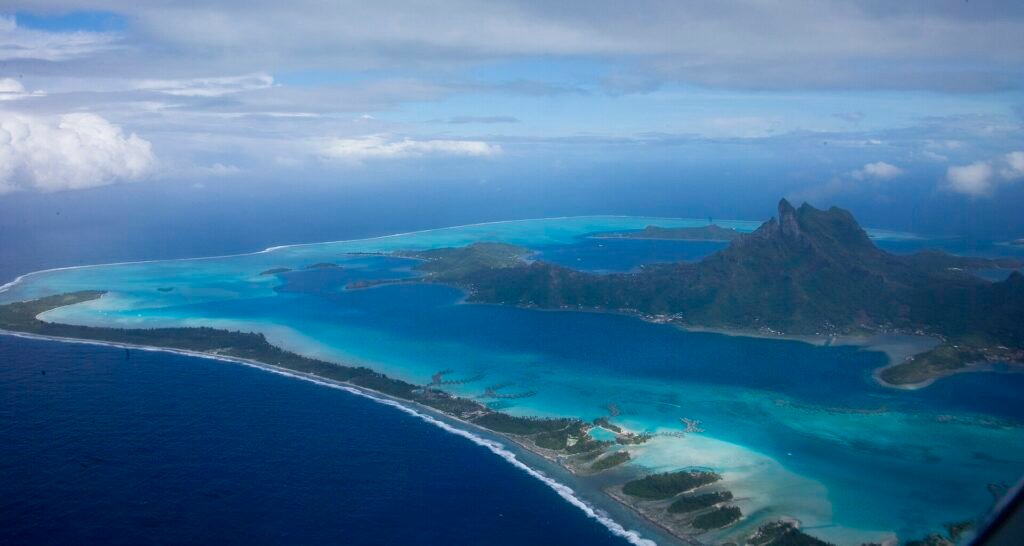
Bora Bora sits inside a barrier reef that creates a shallow, sheltered lagoon with only one navigable opening, the Teavanui Pass on the western side. That geography sorts the sharks neatly: small reef species inside, bigger animals outside. Here is who you can realistically expect to see.
| Species | Where you will find it | Risk to swimmers |
|---|---|---|
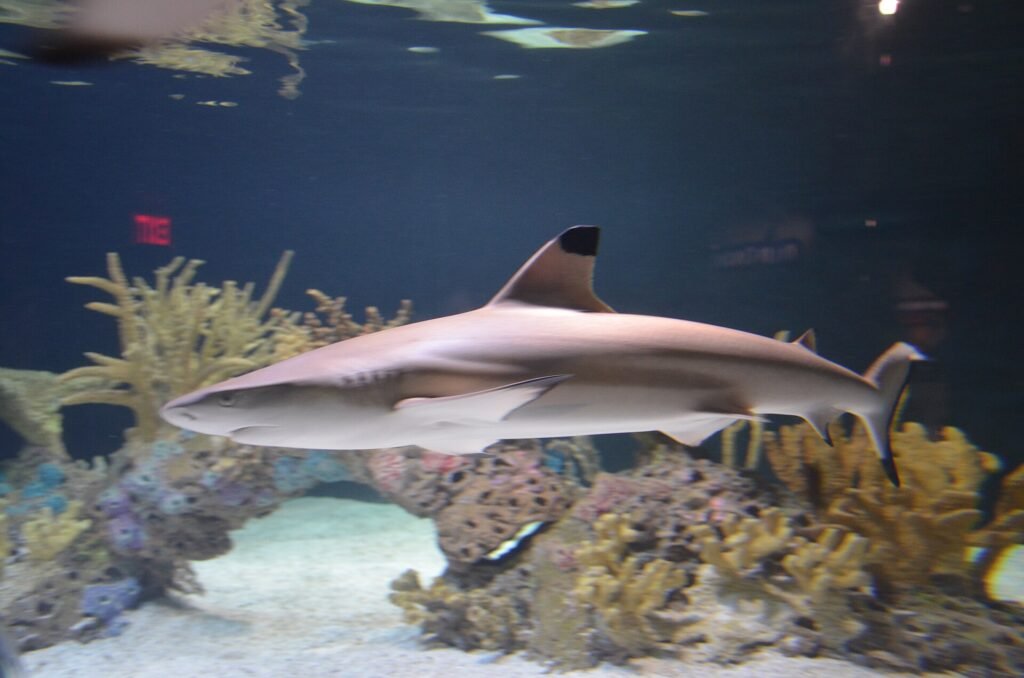
| Blacktip reef shark | Throughout the lagoon, shallow sandbars, beneath overwater bungalows | Very low; timid and small, usually 1 to 1.5 metres |
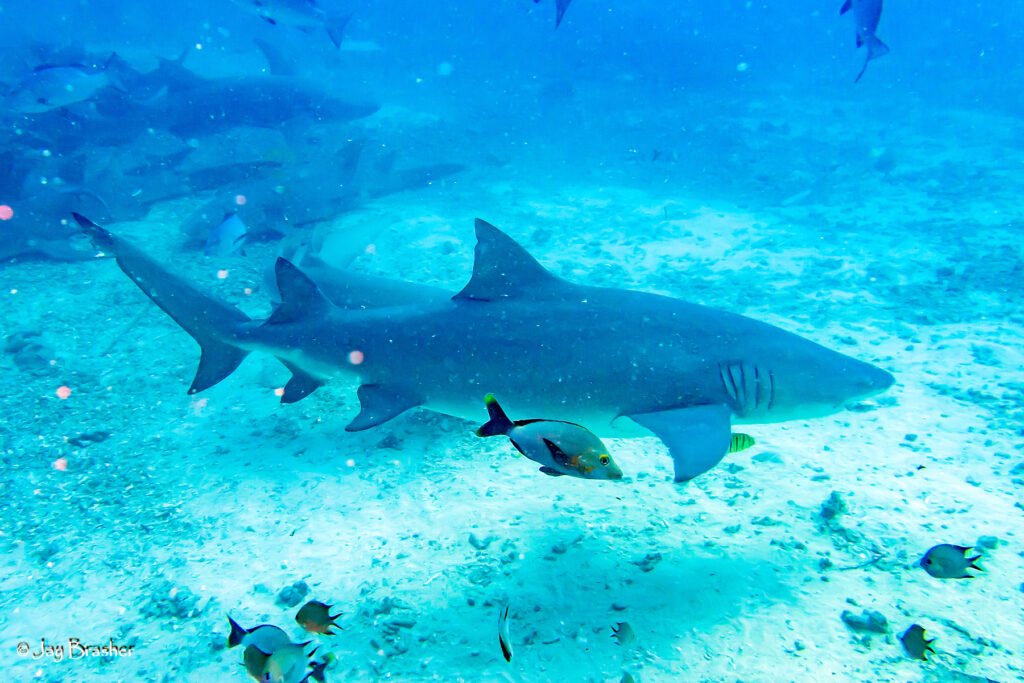
| Sicklefin lemon shark | Deeper lagoon channels, the outer reef slope, feeding sites | Low; large but calm unless provoked or fed |
| Grey reef shark | Teavanui Pass and the outer reef drop-off | Low; can be territorial toward divers who crowd them |
| Whitetip reef shark | Resting under coral ledges on the outer reef by day | Very low; sluggish and uninterested in people |
| Tawny nurse shark | Sandy bottoms and caves on the outer reef | Very low; only bites if handled |
| Tiger shark | Open ocean beyond the reef, occasionally the pass | Moderate in theory, but sightings near swimmers are uncommon |
| Hammerhead sharks | Deep water outside the reef, mostly seen by divers | Low; rarely approach people |
Blacktip reef sharks: the ones you will definitely see
If you remember one species from this article, make it the blacktip reef shark. They patrol the shallows in groups, often in water barely deep enough to cover their dorsal fins, and they are the sharks swimming under the walkways at the resorts on the motu. They spook easily and tend to keep a few metres away from snorkellers, which is exactly what you want from a shark.
Lemon sharks: the big ones on the tour boats
Sicklefin lemon sharks are the species that makes people gasp on a lagoon excursion. They can reach around three metres and look heavy and powerful. In Bora Bora they congregate at a few well-known sites near the outer reef where tour operators have fed them for years, and they behave more like curious dogs than hunters. Keep your hands to yourself and they are a highlight rather than a hazard.
Where and when do shark encounters happen?
Nearly every shark encounter in Bora Bora is deliberate. You either book a lagoon safari that stops at a shark and ray site, or you snorkel off your bungalow deck and a blacktip wanders past. Genuine surprise encounters mostly happen to people who swim at dusk or dawn, cross the pass on a paddleboard, or spearfish on the outer reef with a catch tied to their waist.
Inside the lagoon
The lagoon is where almost all swimming, snorkelling, kayaking and jet-ski activity takes place, and it is overwhelmingly blacktip territory. The coral gardens between the motu on the eastern side are full of fish and a few resident blacktips. Visibility is usually excellent, which matters because the sharks see you long before you see them and simply move away.
The pass and the outer reef
Teavanui Pass funnels tidal water in and out of the lagoon, and the moving water concentrates fish and the sharks that follow them. This is where grey reef sharks, bigger lemon sharks and, rarely, a tiger shark may turn up. Recreational swimmers have no reason to be in the pass; it belongs to dive boats, and dive operators brief you carefully before you go in.
How dangerous are Bora Bora’s sharks really?
Here is the honest answer: shark bites in Bora Bora are rare enough that locals struggle to recall one. French Polynesia as a whole sees very few incidents despite having one of the healthiest shark populations on the planet and thousands of people in the water every day. The incidents that are reported tend to involve food in the water, spearfishing, or someone grabbing a tail for a photo.
Two features of the lagoon work in your favour. First, the dominant species, the blacktip reef shark, is small and nervous and has no interest in anything your size. Second, the water is clear and calm, which removes the murky-water mistaken-identity scenario behind many bites elsewhere in the world. If you want to see how a cooler, wilder coastline compares, our guide to sharks in New Zealand describes a very different picture with great whites and surf beaches.
Should you join a shark and ray feeding tour?
Lagoon safaris that stop at a shark and stingray site are the most popular excursion on the island, and they are where you will get closest to lemon sharks. Operators generally stand you in waist-deep water on a sandbar while rays nuzzle your legs and blacktips circle a few metres out, then float you on the surface above lemon sharks near the outer reef while a guide controls the bait.
Many marine biologists argue that feeding wild sharks changes their natural behaviour, so the practice is debated. From a personal safety standpoint, the tours have an excellent track record. Choose an operator who keeps groups small, tells you exactly where to stay, and never lets guests touch or feed the animals. A thorough briefing is the best sign of a good operator.
Practical safety tips for swimming with sharks in Bora Bora
Most of these are common sense, but it helps to have them in one place before you fly out.
- Snorkel and swim in daylight, ideally between mid-morning and late afternoon.
- Never feed sharks or fish yourself, and do not swim near anyone cleaning fish or dumping scraps.
- Keep your hands at your sides and let the animals come and go; do not chase, corner or touch any shark or ray.
- Avoid shiny jewellery that flashes like a baitfish.
- Stay out of the water if you have a bleeding cut, and clean coral scrapes immediately.
- Do not swim in or near Teavanui Pass, and check with your resort before paddleboarding toward the outer reef.
- Wear reef shoes on shallow coral and sand to protect yourself from stonefish and sea urchins.
- Listen to the dive or tour briefing in full; the guides know the resident animals individually.
What to do if you are bitten or stung
A shark bite is extremely unlikely, but a stonefish sting or a cone snail puncture is a real, if uncommon, possibility on any Polynesian reef. The response is similar in each case: get out of the water, control the injury, and get help fast.
- Leave the water calmly and alert someone immediately. Resorts and tour boats carry first-aid kits and radios.
- For any bite, apply firm, direct pressure with a towel or clothing. If heavy bleeding will not stop, a tourniquet above the wound can save a life while help arrives.
- Call the emergency services. In French Polynesia dial 15 for medical emergencies, 17 for police or 18 for fire; 112 also works from mobile phones.
- For a stonefish or lionfish sting, immerse the limb in water as hot as you can bear without scalding, which eases the pain, then seek medical care.
- For a suspected cone snail sting, keep the limb still, apply a pressure bandage if you have one, and treat it as a medical emergency; symptoms can be delayed.
- Rinse coral cuts with clean water, apply antiseptic and watch for redness or swelling over the following days.
Other wildlife worth knowing about in Bora Bora
Sharks get the attention, but the animals most likely to interrupt your holiday are much smaller.
Stonefish and lionfish
Stonefish are camouflaged bottom-dwellers with venomous dorsal spines, found on reefs and sandy shallows across French Polynesia. Stepping on one causes severe pain and needs medical attention. Reef shoes and a shuffle-step on sandy bottoms are the best prevention. Lionfish are showy and easy to spot; just do not touch them.
Cone snails
Those beautiful patterned shells in the shallows can house a live cone snail with a venomous harpoon. Admire shells where they lie and never pick up a cone-shaped one. This is the single most important rule for children on the beach.
Stingrays, morays, urchins and fire coral
Stingrays in Bora Bora are habituated to people and gentle, but they still carry a barbed tail, so shuffle your feet in sandy shallows and never grab a ray from above. Morays bite only when a hand is pushed into their hole, long-spined sea urchins punish bare feet in coral rubble, and fire coral leaves a burning rash on contact. The common thread: look, do not touch.
Insurance, medical care and getting there safely
Bora Bora is remote, and that is the real safety story. Any serious injury means a flight to Tahiti, and a bad one could mean evacuation to New Zealand or the United States. Choose a travel insurance policy that explicitly covers snorkelling, scuba diving if you plan to dive, and emergency medical evacuation, and carry the policy’s emergency number in your phone.
Getting to the island involves several flights, and nervous flyers may find our explainer on how safe flying really is reassuring. For a broader pre-trip checklist, see our ultimate guide to staying safe when travelling abroad.
Frequently Asked Questions
Is it safe to swim in the Bora Bora lagoon with sharks around?
Yes. The lagoon’s sharks are mostly small blacktip reef sharks that avoid people, and resorts, locals and tour guides swim there every day. Stick to daylight hours, avoid the pass and do not feed anything, and you have addressed virtually all of the risk.
Are there great white sharks in Bora Bora?
Great whites prefer cooler, temperate water and are not part of the Bora Bora picture. The largest predators you could encounter are tiger sharks, which stay mostly in open ocean beyond the barrier reef, and large lemon sharks, which are calm in nature.
Can children snorkel safely in Bora Bora?
Children snorkel in the lagoon every day, often from the steps of an overwater bungalow. The main precautions are a well-fitting life vest, reef shoes, sunscreen, close adult supervision and a firm rule about not picking up shells. Shark tours generally suit confident swimmers aged around eight and up; check each operator’s age policy.
What is the most dangerous animal in Bora Bora?
By a wide margin it is the stonefish, followed by cone snails, simply because they are easy to step on or pick up by accident. Both are preventable with reef shoes and a look-but-do-not-touch rule on the beach.
Bottom line
Sharks in Bora Bora are abundant, protected and overwhelmingly harmless to swimmers. Expect to see blacktip reef sharks within hours of arrival, lemon sharks on a lagoon tour, and grey reef sharks if you dive the pass. Bites are rare, and almost always linked to feeding or spearfishing. Swim in daylight, keep your hands to yourself, wear reef shoes for the stonefish rather than the sharks, and carry insurance that covers evacuation. Do that and the sharks become what they should be: the best free show on the island.