Singapore is routinely described as one of the safest cities on earth, and the description holds up: violent crime is rare, the streets are well lit, the police are responsive and the US State Department keeps the country at Level 1, “exercise normal precautions”. Yet the dangers in Singapore that actually send visitors to a clinic or a police station are not the ones they packed for. Heat exhaustion, dengue, lightning, a strict law broken without realising, and a wild macaque after your snack bag cause far more trouble than any pickpocket.
That is the point of this guide. You do not need to worry about walking home at midnight in Singapore, but you do need to know why a fine for vaping can run into the thousands of dollars, why the National Environment Agency publishes dengue cluster maps, and why the lifeguards at Sentosa close the beach when thunder rolls in.
Contents
Safety at a Glance
| Risk area | Level | Notes |
|---|---|---|
| Violent crime | Very low | Among the lowest reported levels of any major city; incidents are unusual enough to make national news. |
| Petty theft | Low | Occasional phone or bag theft in crowded spots such as Orchard Road, Bugis and hawker centres. |
| Heat and humidity | Moderate to high | Year-round 30°C-plus with high humidity; heat exhaustion is the most common visitor health complaint. |
| Dengue | Moderate | Present year-round with periodic outbreaks; check NEA cluster maps. |
| Lightning and storms | Moderate | Singapore has one of the highest lightning rates in the world; outdoor activities close when storms approach. |
| Legal penalties | High if ignored | Strict, consistently enforced laws on drugs, vaping, littering, smoking zones and public order. |
| Transport | Very low | Excellent MRT, buses and regulated taxis; main hazard is stepping into traffic while looking the wrong way. |
| Wildlife | Low | Macaques, wild boars and otters in nature reserves; snakes and jellyfish rarely encountered. |
Which Dangers in Singapore Do Visitors Overlook?
What brings tourists to a Singapore clinic is mundane: dehydration, heat exhaustion, mosquito-borne fever and slips on wet pavements after a downpour. None of these are dramatic, and all are easy to prevent once you know they are the real risk.
Heat and humidity
Singapore sits one degree north of the equator. Temperatures rarely drop below the high 20s Celsius even at night, and humidity is high enough that sweat does not evaporate. Visitors from temperate climates underestimate how quickly a 2pm walk from Chinatown to Marina Bay becomes a headache, dizziness and nausea. Plan outdoor sightseeing for early morning or after 5pm, drink more water than feels necessary, and use the air-conditioned underpasses and malls that link the city centre.
Dengue fever
Dengue is endemic in Singapore, and the National Environment Agency publishes cluster maps showing active transmission areas by street. Case numbers rise and fall year to year, with notable surges in some recent years. The Aedes mosquito bites during the day, so a repellent containing DEET or picaridin matters as much at brunch as at dusk. If you develop a high fever, severe headache and joint pain within two weeks of a visit, see a doctor. Check the CDC and WHO pages for Singapore for current vaccine guidance.
Lightning and sudden storms
Singapore records one of the highest lightning densities of any country, with storms most frequent in the inter-monsoon months around April to May and October to November, though they can arrive any afternoon. The Meteorological Service Singapore issues lightning alerts, and public pools, Sentosa beaches, golf courses and the Gardens by the Bay outdoor areas suspend activity when they fire. Take the warnings seriously: head indoors, avoid open fields and shelters with metal roofs, and do not stand under isolated trees.
Haze
Some years, usually between August and October, smoke from agricultural fires in Indonesia drifts across the Strait and pushes the Pollutant Standards Index into unhealthy ranges for days. If you have asthma or a heart condition, check the NEA’s hourly readings each morning and keep an N95 mask handy.
Laws That Can Ruin a Trip
Singapore’s famous strictness is real, and the rules are enforced evenly against locals and visitors. The following cause the most trouble for tourists:
- Drugs: Possession of even small amounts carries long prison terms, and trafficking carries the death penalty. This includes cannabis products that are legal at home, so carry nothing across the border.
- Vaping: E-cigarettes and vape liquids are illegal to import, buy or possess. Fines run into the thousands of Singapore dollars and devices are confiscated at Changi. Leave them at home.
- Smoking: Only permitted in marked smoking areas. Lighting up on an Orchard Road pavement or at a hawker centre table brings a fine.
- Public drinking: Under the Liquor Control Act, drinking in public places is banned between 10.30pm and 7am, with stricter rules in Geylang and Little India. Bars and restaurants are unaffected.
- Littering, jaywalking and gum: Littering fines are substantial, crossing the road within 50 metres of a crossing is an offence, and chewing gum cannot be imported for sale.
- Overstaying and employment: Overstaying a visit pass is a criminal matter, not an administrative one. Never work, even casually, without a valid pass.
The practical rule is simple: if something would earn a stern look at home, assume it is a fine in Singapore.
Petty Crime: Rare, Not Zero
Singapore’s reported street crime is among the lowest of any major city, which is exactly why visitors drop their guard. The cases the Singapore Police Force does report tend to be opportunistic: a phone left on a hawker centre table, a bag hung on a chair in a Bugis Street cafe, or a wallet taken from an open backpack on a packed MRT train. Late-night Geylang and parts of Little India on a Sunday evening see more reported incidents than the rest of the island, though both are walkable with normal awareness.
Online and phone-based misleading offers aimed at visitors, such as too-good-to-be-true event tickets or “accommodation” that does not exist, are the fastest-growing category in police reporting. Book attractions through official sites, use licensed accommodation and verify before you pay. For the universal habits that stop these problems anywhere, see our guide to staying safe when travelling abroad.
Getting Around Safely
Transport is one of Singapore’s strengths. The MRT network reaches almost every neighbourhood and attraction, platforms have screen doors, and stations are staffed. Buses accept the same contactless cards, and taxis and ride-hailing apps such as Grab are metered, regulated and safe at any hour.
The genuine hazard is the road itself. Singapore drives on the left, so visitors from the US and continental Europe routinely look the wrong way at kerbs. Use the plentiful signalled crossings. E-scooters are banned on footpaths and bicycles follow strict rules, so check the Land Transport Authority’s regulations before hiring anything with wheels.
Changi Airport is consistently ranked among the best hubs in the world. If flying nerves are on your mind, our explainer on how safe flying really is puts the risk in context.
Wildlife and Outdoor Hazards
Singapore has far more wildlife than its skyline suggests, and almost all of it is harmless if you keep your distance.
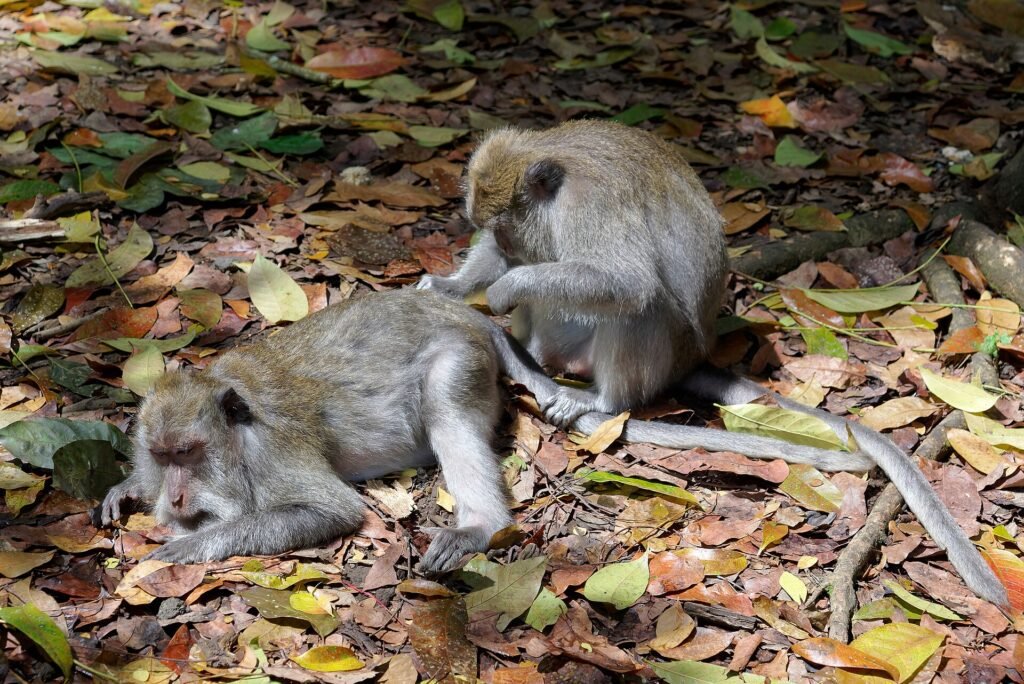
- Long-tailed macaques at MacRitchie Reservoir, Bukit Timah Nature Reserve and the Southern Ridges are bold and will snatch plastic bags and open food. Keep food out of sight, do not make eye contact, and never feed them; feeding wildlife is also an offence.
- Wild boars roam the forested edges of Punggol, Pasir Ris and the Central Catchment. They generally avoid people but can be dangerous if cornered or if piglets are near. Back away slowly.
- Smooth-coated otters are a beloved sight along the Singapore River and Marina Bay. Admire them from a distance; several bites have been reported when people or dogs got too close to pups.
- Snakes, including reticulated pythons and the occasional cobra, live in nature reserves and drains but are rarely seen. Stay on marked trails and wear closed shoes in the forest.
- Jellyfish stings have been reported at Sentosa beaches in some years. Heed the lifeguard flags, and rinse a sting with seawater, not fresh water, before seeking help.
Hiking in the Central Catchment or on Pulau Ubin is safe but hot: carry plenty of water, start early and tell someone your route.
Solo Travellers, Families and Health Cover
Singapore is one of the easiest destinations in Asia for solo and female travellers. Harassment is rare, public spaces are busy late into the evening, and the MRT runs until around midnight. The main solo risk is overdoing it in the heat with nobody to notice. For families, children dehydrate faster, so build pool breaks into every afternoon.
Healthcare is world-class and expensive for visitors. A private clinic visit is affordable, but an uninsured emergency admission to a hospital such as Singapore General or Mount Elizabeth can run to many thousands of dollars. Travel insurance with emergency medical and repatriation cover is not optional. This article is general information, not financial or medical advice.
Emergency Numbers and Easy Ways to Stay Safe
Save these before you arrive: 999 for police, 995 for ambulance and fire, and 1777 for a non-emergency ambulance. The Singapore Police Force also runs an online reporting portal for minor incidents.
A short checklist covers almost everything in this article:
- Schedule outdoor sightseeing before 10am or after 5pm, and carry water everywhere.
- Apply mosquito repellent in the morning, not just at dusk, and check the NEA dengue map for your neighbourhood.
- When thunder sounds, go indoors; follow lifeguard and park staff instructions without arguing.
- Leave vapes, cannabis products and anything you would not want to explain to a customs officer at home.
- Keep phones and bags on your lap at hawker centres and on trains.
- Look right, then left, then right again at every kerb.
- Keep food zipped away on nature trails and give wildlife a wide berth.
- Buy travel insurance with emergency medical cover, and register with your embassy’s traveller programme (STEP for Americans, Smartraveller for Australians, travel.gc.ca for Canadians, the UK FCDO for Britons).
If Singapore is one stop on a longer trip, our guide to how safe Thailand is for English teachers shows how the risk profile shifts across the border.
Frequently Asked Questions
Is Singapore safe to walk around at night?
Yes. Central Singapore, the Quays, Orchard and most residential neighbourhoods are busy and well lit late into the night, and violent crime is rare. Use normal awareness in Geylang and late-night Little India, and take a Grab after the MRT closes.
Do I need vaccinations for Singapore?
No special vaccinations are required for most visitors, but routine ones should be current and the CDC recommends hepatitis A and typhoid for many travellers to the region. Ask a travel clinic about dengue vaccine eligibility before you go.
Can I bring my prescription medication?
Generally yes, in original packaging with a copy of the prescription. Some controlled medicines, including certain sleeping pills and strong painkillers, require advance approval from the Health Sciences Authority. Check its website for the current list before you fly.
Is tap water safe to drink in Singapore?
Yes. Singapore’s tap water meets WHO standards and is safe straight from the tap everywhere on the island. Refilling a bottle is the easiest way to keep up with the heat.
What happens if I accidentally break a minor law?
Minor offences such as littering or jaywalking usually result in a fine, and officers are generally courteous. Be polite, pay promptly and keep the receipt. Anything drug-related is handled with no leniency for foreigners.
The Bottom Line
Singapore is as safe as its reputation suggests, but “safe” does not mean “effortless”. The real dangers in Singapore are environmental and legal rather than criminal: heat, mosquitoes, lightning and a rulebook that is enforced to the letter. Respect the climate, respect the signs, keep an eye on your phone at the hawker centre and buy proper insurance, and the city becomes one of the most relaxed places you will ever travel.