The best things to do in Hawaii with kids are mostly outdoors, mostly cheap or free, and spread across four very different islands. Oahu gives you the biggest concentration of family attractions, from Hanauma Bay to Pearl Harbor to the Polynesian Cultural Center, while Maui, Kauai and the Big Island each add one or two experiences you cannot get anywhere else: a live volcano, a monk seal napping on a beach, a tropical aquarium built around a reef.
Contents
This guide picks 10 activities that work for real families, with the best ages for each, a rough cost tier (free, $ under $25 per person, $$ $25 to $75, $$$ over $75) and the practical details that matter: whether you can push a stroller, when to arrive, and where the food is. All prices are as of 2026 and change; check each attraction’s official site before you go.
Two things to decide before you book anything: which island (most families with young kids are happiest on Oahu or Maui for the calm beaches and short drives) and whether you want a rental car. On every island except in Waikiki, the answer to the second question is yes.
10 Things to Do in Hawaii With Kids
1. Snorkel Hanauma Bay Nature Preserve (Oahu)
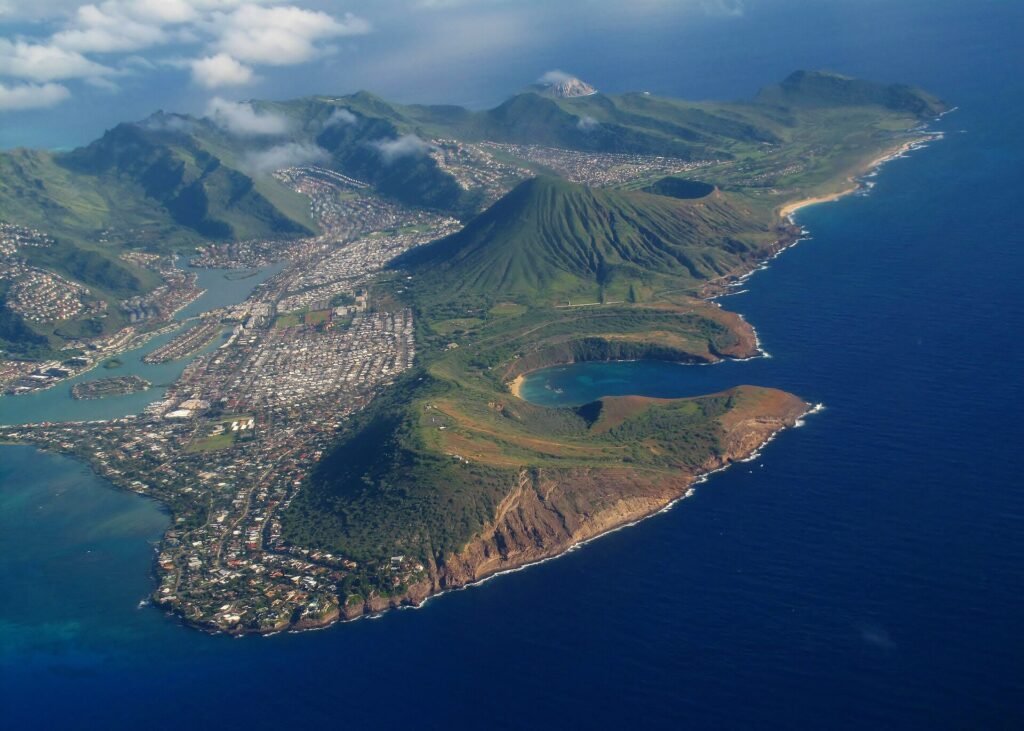
A flooded volcanic crater with a shallow, reef-protected lagoon, Hanauma Bay is the easiest place in Hawaii for children to see green sea turtles, parrotfish and butterflyfish in knee-to-waist-deep water. Best for ages 5 and up who can manage a mask; younger ones can paddle in the sandy inner lagoon. Cost tier: $ (non-resident entry is about $25 for ages 13 and over, free for younger kids), plus an online reservation that must be booked two days ahead and sells out within minutes. The preserve closes on Mondays and Tuesdays. Arrive at opening for calm water, bring reef-safe sunscreen (required by state law) and expect a steep walk or tram ride down to the beach.
2. Pearl Harbor National Memorial (Oahu)
The USS Arizona Memorial boat tour is free with a small online reservation fee, and the shoreside museum galleries put the 1941 attack in terms older children can grasp. Best for ages 8 and up; the memorial is solemn and the film is intense for little ones. The adjacent USS Bowfin submarine and Battleship Missouri are paid add-ons ($ to $$) that boys and girls of about 6 and up tend to love. Bags are not allowed inside (there is paid storage), strollers are fine on the grounds, and mornings are cooler and quieter. Budget half a day.
3. Polynesian Cultural Center (Oahu)
On the North Shore, this large open-air park represents six Pacific island cultures with canoe rides, drumming, spear throwing and a famous evening show. It is a full day and a splurge ($$$, with packages that include the luau buffet) but it is built for families: wide paved paths for strollers, shade, frequent shows and plenty of food. Best for ages 5 to 14. Go on a weekday, arrive at opening, and book a package with dinner if you want to see the night show without an exhausting drive back to Waikiki afterward.
4. Kualoa Ranch (Oahu)
The private valley where Jurassic Park and dozens of other films were shot runs movie-site bus tours, UTV rides, horseback trips and a jungle expedition. The bus tour suits ages 3 and up; horseback and UTV tours have minimum ages (typically 10 and 5 respectively, with a parent driving). Cost tier: $$ to $$$ per person per tour. Book several weeks ahead, pack snacks because food options are limited on site, and pair it with the beach at Kualoa Regional Park across the road, which has calm water and a view of Mokoli’i (Chinaman’s Hat).
5. Honolulu Zoo and Waikiki Aquarium (Oahu)
Both sit in Kapi’olani Park at the Diamond Head end of Waikiki, walkable from most hotels and a reliable rescue plan for a rainy morning or a jet-lagged toddler. The zoo is a manageable size with a good playground and shaded paths ($ for admission); the aquarium is small but has Hawaiian monk seals, reef tanks and a touch pool ($). Best for ages 1 to 10. Go early before the heat, take a stroller, and finish with shave ice or a picnic under the banyan trees.
6. Ko Olina Lagoons (Oahu)
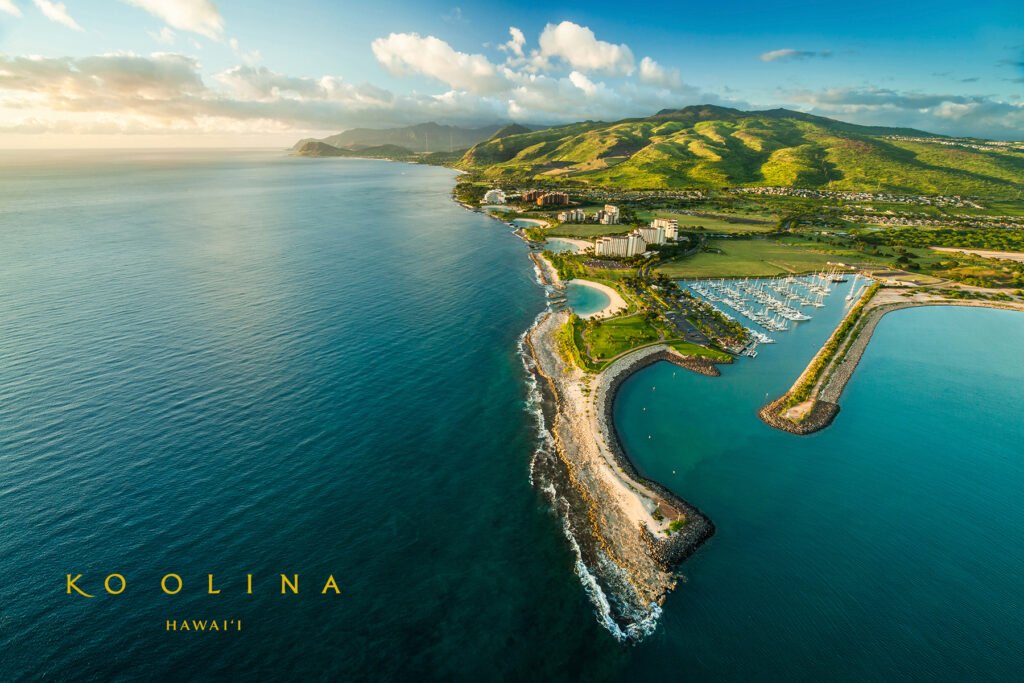
Four man-made, rock-protected lagoons on Oahu’s leeward coast with almost no waves, soft sand and public access. They are the safest swimming in the state for toddlers and nervous swimmers. Cost tier: free (parking is limited and fills by mid-morning). Best for ages 0 to 10. Bring your own shade and food; the resort cafés are expensive. Lifeguards are not stationed at every lagoon, so stay within arm’s reach of small children.
7. Dole Plantation (Oahu)
On the drive to the North Shore, this working pineapple attraction has the Pineapple Express train ride, a garden maze that claims to be one of the world’s largest, and the famous Dole Whip soft serve. Entry to the grounds and shop is free; the train and maze are $ each. Best for ages 2 to 10. It gets crowded and hot by midday, so make it your first stop of a North Shore day, then continue to Haleiwa and the turtle beaches at Laniakea.
8. Hawaii Volcanoes National Park (Big Island)
Kilauea is one of the most active volcanoes on Earth, and the park lets families walk across old lava flows, through the Thurston Lava Tube and along the crater rim. When the volcano is erupting, the overlooks near Kilauea Visitor Center offer a glow at dusk that children never forget. Cost tier: $ (around $30 per vehicle, valid for a week). Best for ages 5 and up. Dress in layers (it is cool and wet at 4,000 feet), bring flashlights for the lava tube, and watch the park’s air-quality alerts, because volcanic gas (vog) can affect kids with asthma.
9. Maui Ocean Center (Maui)
This aquarium in Ma’alaea focuses entirely on Hawaiian marine life, with a walk-through shark tunnel, a humpback whale 3D film and a tide pool where kids can touch sea stars and sea urchins. Cost tier: $$. Best for ages 2 to 12. It is fully indoors and stroller-friendly, making it Maui’s best bad-weather plan, and it pairs well with a boat trip from the harbor next door. From December to April, that boat trip should be whale watching; humpbacks are reliably visible from the shore too.
10. Poipu Beach Park (Kauai)
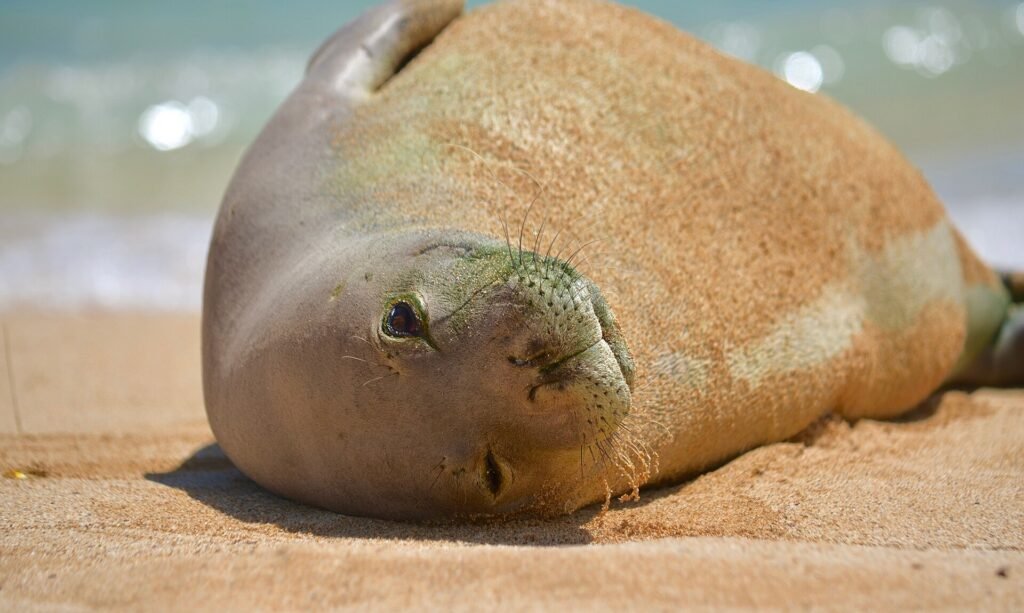
Kauai’s south-shore family beach has a natural rock-enclosed wading pool for toddlers, a lifeguard tower, a grassy park with a playground and restrooms, and regular visits from Hawaiian monk seals and green sea turtles that haul out to rest. Cost tier: free. Best for all ages. Stay well back from any seal (volunteers rope off a zone), snorkel on the eastern side in the morning before the trade winds pick up, and walk to the nearby food trucks and shave ice stands for lunch.
Planning table
| Activity | Island | Best ages | Indoor/outdoor | Cost tier |
|---|---|---|---|---|
| Hanauma Bay | Oahu | 5+ | Outdoor | $ |
| Pearl Harbor National Memorial | Oahu | 8+ | Mixed | Free to $$ |
| Polynesian Cultural Center | Oahu | 5–14 | Mixed | $$$ |
| Kualoa Ranch | Oahu | 3+ | Outdoor | $$–$$$ |
| Honolulu Zoo and Waikiki Aquarium | Oahu | 1–10 | Mixed | $ |
| Ko Olina Lagoons | Oahu | 0–10 | Outdoor | Free |
| Dole Plantation | Oahu | 2–10 | Outdoor | Free to $ |
| Hawaii Volcanoes National Park | Big Island | 5+ | Outdoor | $ |
| Maui Ocean Center | Maui | 2–12 | Indoor | $$ |
| Poipu Beach Park | Kauai | All | Outdoor | Free |
Is Hawaii safe for families?
Hawaii is a US state with 911 emergency service, excellent hospitals on Oahu and Maui, and low rates of violent crime against visitors; petty theft from parked rental cars at beaches and trailheads is the main crime concern, so leave nothing visible. The real risks for children are in the ocean and the sun, and they are worth taking seriously.
- Ocean conditions: swim only at lifeguarded beaches, obey the flag warnings, and check the Hawaii Beach Safety website each morning. North and west shores have dangerous winter surf; shorebreak at beaches such as Sandy Beach on Oahu injures people every year.
- Rip currents: teach older kids to float and swim parallel to shore rather than fight the current.
- Sun: the UV index is extreme year-round. Use reef-safe mineral sunscreen (oxybenzone and octinoxate sunscreens are banned in Hawaii), rash guards and hats.
- Marine stings: Portuguese man o’ war wash up after strong winds and box jellyfish arrive on Oahu’s south shore about 8 to 10 days after a full moon; lifeguards post warnings. There are no sea snakes to worry about, and as our guide to snakes in Hawaii explains, no land snakes either.
- Hiking and freshwater: flash floods happen on stream trails, and leptospirosis is a risk from freshwater streams, so avoid swimming in them with open cuts.
- Car seats: Hawaii law requires children under 2 in rear-facing seats and boosters up to age 10 or a height threshold; rental companies hire seats but reserve ahead.
Travel insurance that covers trip interruption and medical care is wise even for domestic travelers because of the distance from the mainland, and particularly for anyone arriving from the UK, Canada or Australia. For general reassurance before the long flight, read how safe flying really is.
Practical tips for a Hawaii trip with kids
- Fight jet lag by going east-coast-early: wake at 5 a.m., hit beaches and attractions by 7, nap at midday, dinner at 5.
- Most attractions with reservations (Hanauma Bay, Pearl Harbor, Haleakala sunrise, Kualoa tours) release slots days or weeks ahead; set alarms.
- Grocery stores (Foodland, Safeway, Target) sell poke, musubi and fruit far cheaper than resort food; a condo with a kitchen saves hundreds.
- A cheap mesh beach tent, water shoes for rocky entries and a foldable umbrella stroller cover most needs.
- Keep island-hopping to a minimum: one island per week is plenty with children.
How to plan the trip: step by step
- Pick one island for a week (Oahu for the most to do, Maui for beaches and the aquarium, Kauai for nature, the Big Island for the volcano), or two for ten days or more.
- Book flights and a condo or family hotel six months out for summer or Christmas; shoulder seasons (April to May, September to October) are cheaper and calmer.
- Reserve the time-sensitive attractions the moment their booking windows open.
- Rent a car with car seats reserved, or plan to bring your own.
- Build each day around one morning activity and one beach, with a rest in the heat of the afternoon.
Frequently Asked Questions
Which Hawaiian island is best for young kids?
Oahu, for the sheer number of attractions, calm south-shore beaches and the shortest drives. Maui is a close second for families who want quieter resorts and the aquarium. Kauai suits nature-loving families with slightly older children.
How much does a family trip to Hawaii cost?
Flights and lodging dominate. Once there, most of the activities above are free or under $25 a head, and self-catering keeps food reasonable. The Polynesian Cultural Center and Kualoa Ranch are the main big-ticket items, so budget for one splurge rather than several.
Is the ocean safe for toddlers?
At the right beaches, yes: Ko Olina’s lagoons, Poipu’s wading pool and Waikiki’s protected stretches near Kuhio Beach are calm most of the year. Avoid north-shore beaches in winter entirely, and never let small children play at the water’s edge on beaches with shorebreak.
Do we need to see an erupting volcano to enjoy Volcanoes National Park?
No. The lava tube, steam vents and crater-rim trails are worth the trip in any conditions. Check the park’s website for eruption updates; when Kilauea is active, the evening glow from the Kilauea Overlook or Uekahuna area is an easy bonus.
Bottom line
Hawaii is one of the easiest long-haul destinations for families: English-speaking, safe, with calm beaches and world-class nature that costs little or nothing. Choose your island, book the reservation-only attractions early, respect the ocean, and let the kids set the pace. Visitors from the UK, Canada or Australia should also skim our guide to staying safe when traveling abroad for insurance and documentation basics.