Is Egypt safe in 2026 after the US-Iran war? For the places tourists actually go, the honest answer is: broadly yes, with the same caveats that applied before the conflict. Egypt was not a combatant, no fighting took place on Egyptian soil, and Cairo, Luxor, Aswan, the Nile cruise route and the Red Sea resorts of Hurghada, Sharm el-Sheikh and Marsa Alam have kept operating throughout. The practical effects of the hostilities for visitors have been indirect: rerouted and cancelled flights during periods when Gulf and Levant airspace closed, higher airfares, and a general sense of nervousness that is worth separating from actual risk.
What the title does not change is Egypt’s pre-existing safety profile. The US State Department has for years rated Egypt at a “reconsider travel” level overall because of the risk of terrorism, with a “do not travel” designation for North Sinai, and the UK FCDO advises against all travel to North Sinai and parts of the Western Desert near the Libyan border. Those warnings are about long-running domestic security issues, not the Iran conflict, and they do not cover the main tourist circuit. Check the current advisory text before you book, because wording changes.
Contents
- Safety at a Glance
- What Has the US-Iran Conflict Actually Meant for Egypt?
- What Do the Official Advisories Say?
- Petty Crime, Touts and Where It Happens
- Transport Safety
- Health Risks in Egypt
- Solo and Female Travellers
- Natural Hazards and Season
- Emergency Numbers
- Travel Insurance and Practicalities
- How to Plan a Safe Egypt Trip: Step by Step
- Frequently Asked Questions
- Bottom Line
Safety at a Glance
| Risk area | Level | Notes |
|---|---|---|
| Violent crime against tourists | Low | Rare; heavy police presence at all tourist sites and resorts |
| Petty theft and pressure selling | Moderate to high | Persistent in Cairo, Luxor and Giza; more tiring than dangerous |
| Terrorism | Moderate | Security has improved markedly since the mid-2010s; North Sinai and the Western Desert remain off limits |
| Spill-over from the US-Iran conflict | Low on the ground, moderate for flights | Airspace reroutes, cancellations and price spikes during escalations; no attacks on Egyptian tourist areas |
| Road safety | High | Egypt has one of the region’s worst road accident records; avoid night driving and overnight minibuses |
| Harassment of women | Moderate to high | Verbal harassment is common in Cairo; resorts and Nile cruises are far calmer |
| Food and water | Moderate | Stomach upsets very common; bottled water only |
| Heat | High in summer | Luxor and Aswan regularly exceed 40°C from May to September |
| Red Sea marine hazards | Low to moderate | Rare shark incidents, more common diving and snorkelling injuries; use reputable operators |
What Has the US-Iran Conflict Actually Meant for Egypt?
The hostilities between the United States, Israel and Iran, and the exchanges of missiles and drones that accompanied them, have played out over Iraq, Jordan, the Gulf, Israel and Iran itself. Egypt’s position has been diplomatic rather than military. The country has kept its borders, airports and resorts open.
For a traveller, three effects have been real.
- Flight disruption. When airspace over the Gulf, Iraq or Jordan closes, airlines reroute around it. European flights to Cairo and the Red Sea have mostly continued, but connections through Gulf hubs such as Doha, Dubai and Abu Dhabi have been cancelled or delayed at short notice during the worst periods.
- Red Sea shipping tension. Attacks on commercial ships in the southern Red Sea, which predate the Iran conflict, have affected cargo routes through the Suez Canal but not the resort coastlines or dive boats in Egyptian waters, hundreds of kilometres to the north.
What has not happened, as of 2026, is any attack on an Egyptian tourist destination connected to the conflict. The FCDO and State Department pages are the places to confirm that this remains true when you travel, and our guide on whether Jordan is a safe country to visit covers how the same regional picture looks from Egypt’s neighbour.
What Do the Official Advisories Say?
Read the US State Department travel advisory for Egypt, the UK FCDO foreign travel advice and Canada’s travel.gc.ca page in full, and Australians should check Smartraveller. In summary, as of 2026:
- Do not travel to North Sinai, including the road to Rafah and the Gaza border, or to the Western Desert within a set distance of the Libyan border.
- Reconsider or limit travel to the interior of the Sinai peninsula away from the main coast roads; the resort strip from Sharm el-Sheikh to Dahab and Nuweiba, and the St Catherine’s Monastery excursion, are generally considered manageable with organised transport.
- The Nile Valley from Cairo to Aswan, Alexandria, the Red Sea coast from Hurghada to Marsa Alam, and the Siwa and Bahariya oases by organised tour carry the general country-level caution but no specific warning.
Petty Crime, Touts and Where It Happens
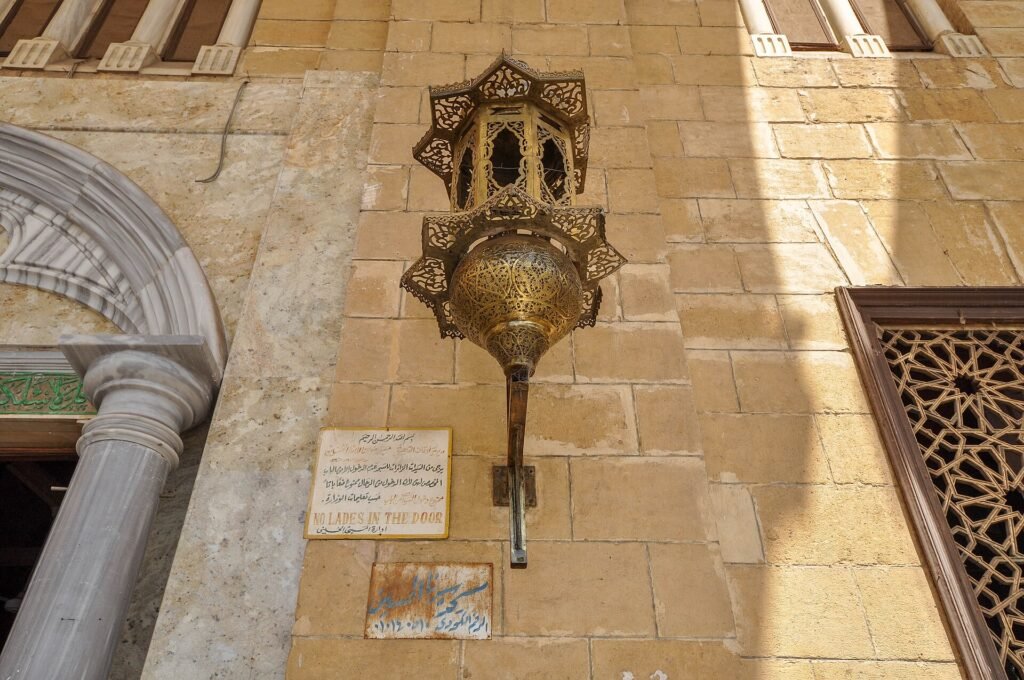
Egypt’s reputation for hassle is deserved, but it is important to understand what kind of hassle it is. Violent robbery of tourists is rare. What visitors experience is a relentless layer of pressure selling and misleading offers that can sour a day if you are not prepared for it.
Red flags to watch for
- “The museum is closed today, I will take you to a papyrus shop instead.” The museum is open; the shop pays commission.
- Unofficial “guides” at Giza who attach themselves to you and then demand payment, and camel handlers who quote one price to get on and another to get off.
- Taxi drivers refusing the meter, taking the long route or claiming they have no change. In Cairo, Uber and Careem solve most of this.
Where to be more careful
Khan el-Khalili, the Giza plateau, Luxor’s East Bank corniche and the Aswan souk are where most of this happens; pickpocketing is a risk on crowded Cairo metro carriages. Keep valuables in a zipped front pocket, carry small notes for tipping, and treat “no, thank you” as a complete sentence.
Transport Safety
Roads are the realistic danger. Egypt’s road fatality rate is among the highest in the region, according to World Health Organization data.
Practical rules
- Do not hire a car to drive yourself in Cairo or on intercity roads; use a driver, a tour operator or public transport.
- Take the overnight sleeper train or a daytime express between Cairo, Luxor and Aswan rather than a minibus. The Watania sleeper is the usual choice for foreigners.
- Fly for long legs: EgyptAir and Nile Air connect Cairo with Luxor, Aswan, Hurghada and Sharm el-Sheikh in about an hour.
- Avoid overnight long-distance buses and minibuses, especially on the desert roads to the Red Sea coast and the oases, where many serious crashes happen.
Health Risks in Egypt
Water and food
Stomach illness is the single most common problem for visitors. Drink bottled or properly filtered water, avoid ice outside good hotels, and be cautious with raw salads. Hotel buffets on Red Sea all-inclusives are a frequent source of outbreaks; choose freshly cooked items. Pack oral rehydration salts and an anti-diarrhoeal for emergencies.
Heat
Upper Egypt is brutally hot from May to September. Visit the Valley of the Kings and Abu Simbel at opening time, carry water and electrolytes, and rest in the afternoon.
Vaccinations and mosquito-borne illness
Hepatitis A and typhoid are the usual recommendations alongside routine vaccines. Egypt is not a malaria risk for tourist areas. Dengue has been reported sporadically in the south and along the Red Sea in recent years, so use repellent in the evenings. Check the CDC and WHO pages before departure for current guidance.
Red Sea hazards
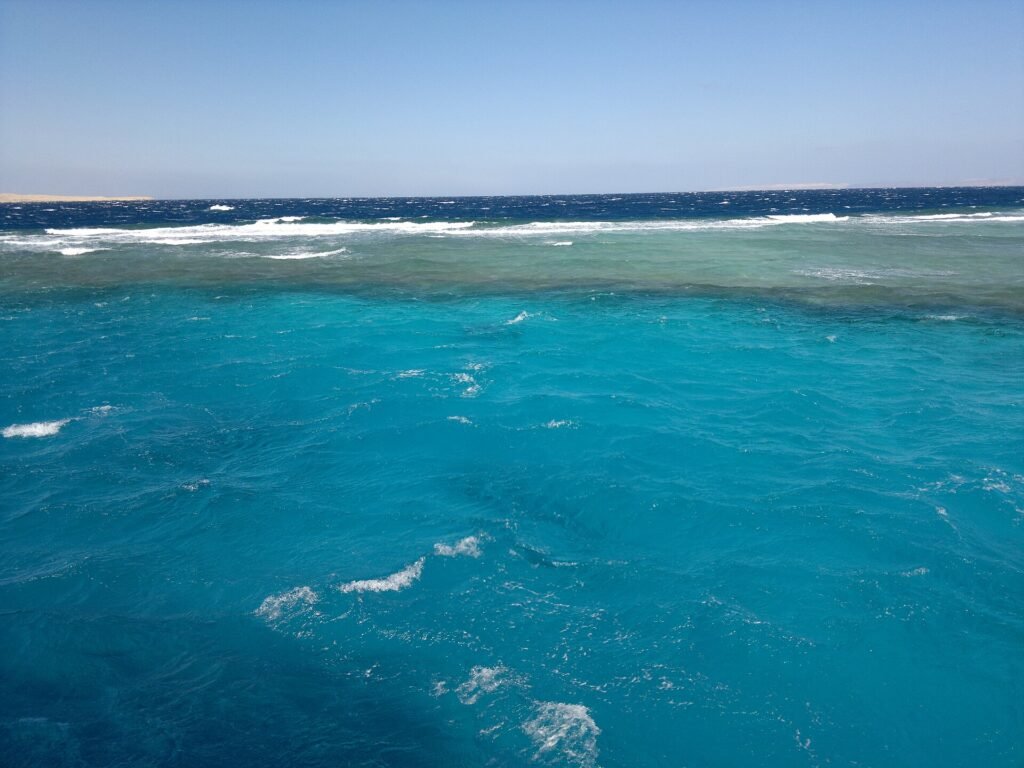
Shark incidents at Hurghada and Sharm el-Sheikh have made headlines in a handful of cases over the past decade. They are rare but real, and beaches close when a shark is sighted. Swim at patrolled resort beaches, stay out of the water at dawn and dusk, and avoid areas where fish are fed or cleaned. Far more divers are hurt by coral cuts, stonefish and decompression illness; dive only with operators affiliated with PADI, SSI or CMAS. Do not swim in the Nile, where the parasitic infection schistosomiasis is present.
Solo and Female Travellers
Egypt is harder for women than most destinations in the region. Verbal harassment, staring and occasional groping are widely reported in Cairo’s busy streets, on the metro and in markets. The resorts, Nile cruises and organised tours are a different experience, and many women travel solo and enjoy the country enormously.
- Dress conservatively outside the resorts: loose clothing covering shoulders and knees, and a scarf for mosques.
- Use the women-only carriages on the Cairo metro, usually the middle two.
- Report serious incidents to the tourist police on 126; Egypt has strengthened its harassment laws, and the tourist police do act.
Natural Hazards and Season
- Heat: the overriding hazard from May to September, particularly in Upper Egypt and the Western Desert.
- Flash floods: rare but destructive in the Sinai and along the Red Sea mountains between October and March; roads can be cut for a day or two.
The best months are October to April; pack a layer for cold desert nights in midwinter.
Emergency Numbers
- Police: 122
- Ambulance: 123
- Fire: 180
- Tourist police: 126
Embassies for the US, UK, Canada and Australia are in Cairo and list after-hours emergency lines on their websites.
Travel Insurance and Practicalities
Buy a policy with medical evacuation, cover for diving and snorkelling if you plan to do them (many standard policies exclude diving below a certain depth), and trip interruption that pays out when flights are cancelled because of airspace closures. Check whether the policy is void in areas under a “do not travel” advisory and simply avoid those areas. This is general information, not financial or legal advice.
Carry a mix of cash in Egyptian pounds and cards; ATMs are plentiful in cities and resorts. Expect to tip small amounts constantly, which is normal and not a sign of anything wrong. Our wider guide to staying safe when traveling abroad goes deeper on documents, money and insurance, and if the flight-disruption question is what worries you most, our explainer on how safe flying is covers how airlines and regulators handle closed airspace.
How to Plan a Safe Egypt Trip: Step by Step
- Read the current US State Department, FCDO and travel.gc.ca advisories and note the excluded regions.
- Book flights with flexible change terms or via an airline that routes around the Gulf; avoid tight connections through Gulf hubs during periods of tension.
- Buy comprehensive travel insurance before paying any non-refundable deposits.
- Arrange airport transfers in advance, download Uber or Careem, and keep digital copies of your passport and insurance.
Frequently Asked Questions
Is Egypt safe in 2026 for tourists after the US-Iran war?
Yes for the main tourist areas. Egypt was not involved in the fighting and its tourist sites and resorts have remained open. The main consequences for travellers have been flight disruption and uncertainty, which you manage with flexible bookings and good insurance rather than by cancelling.
Are the Red Sea resorts safe?
Hurghada, El Gouna, Sharm el-Sheikh and Marsa Alam are among the safest places in Egypt for visitors, with controlled access and a heavy security presence. The real risks there are sunburn, stomach bugs and water-sports injuries. Shark incidents are rare and beaches close when one is sighted.
Can I visit the Sinai coast and St Catherine’s Monastery?
The resort coast from Sharm el-Sheikh to Dahab and the organised day trip to St Catherine’s Monastery are widely done. North Sinai is off limits under every major advisory. Use organised transport on the main roads and check the FCDO map.
Is Cairo safe to walk around?
Central Cairo, Zamalek, Maadi and the Khan el-Khalili area are busy and generally safe to walk during the day and evening. The risks are traffic, pressure selling and harassment rather than violence. Use ride apps after dark and keep to well-lit streets.
Bottom Line
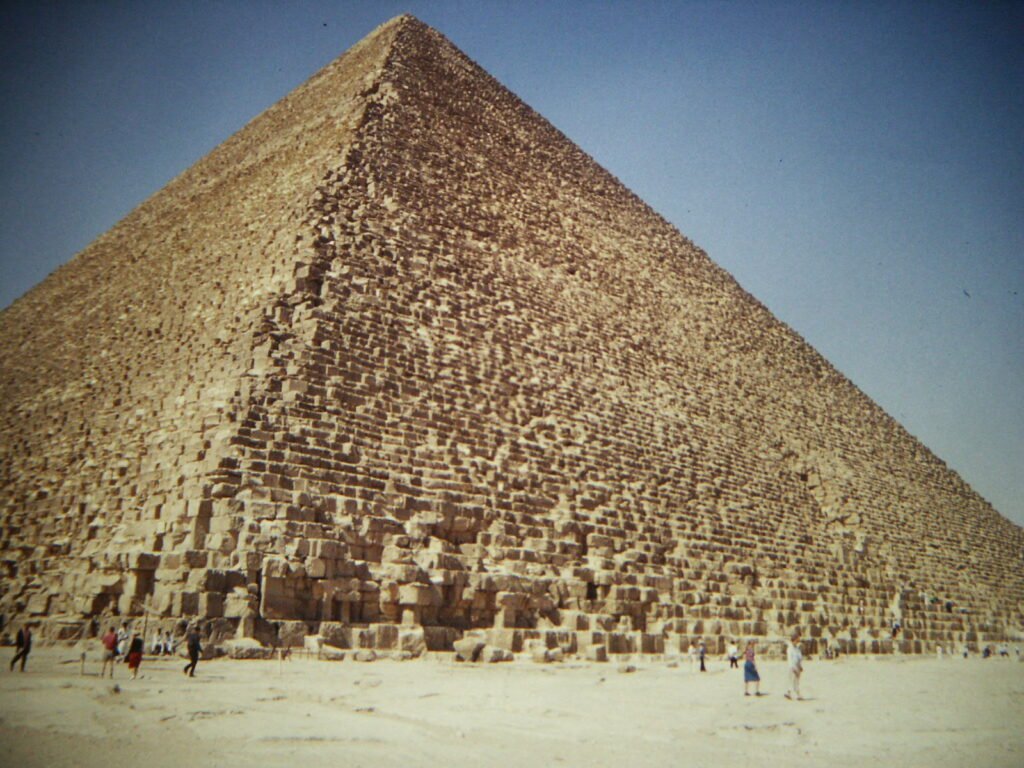
Egypt in 2026 is about as safe for tourists as it was before the US-Iran conflict, which is to say safe on the main circuit, demanding in terms of hassle and heat, and genuinely risky only in the regions every advisory already tells you to avoid. Book flexibly, insure properly, stick to the Nile Valley and Red Sea coast, and the pyramids will be waiting as they have been for four and a half thousand years.