Jordan is a safe country to visit for the overwhelming majority of travellers, and it has been for decades. Violent crime against tourists is rare, the tourism police are visible at every major site, and the main route most visitors follow, from Amman to Jerash, the Dead Sea, Petra, Wadi Rum and Aqaba, has an excellent track record. The questions people really have are about the neighbourhood: Jordan shares borders with Syria, Iraq, Israel, the West Bank and Saudi Arabia, and the region has seen serious conflict since 2023.
The short verdict: Jordan itself is stable and welcoming, the risks that actually affect tourists are heat, road accidents, flash floods and petty theft, and the regional situation mainly shows up as flight disruption and the need to check advisories before you book. As of 2026 the US State Department advisory for Jordan sits at a “exercise increased caution” level overall, with specific no-go zones along the Syrian border and in a few named areas, and the UK FCDO takes a similar line. Always read the current version before you travel, because these ratings move with events.
Contents
- Safety at a Glance
- What Do the Official Travel Advisories Say?
- How Common Is Crime in Jordan?
- Transport Safety: Your Biggest Real Risk
- Health Risks in Jordan
- Natural Hazards and When to Go
- Solo and Female Travellers in Jordan
- How to Stay Safe in Jordan: A Step-by-Step Plan
- Emergency Numbers and Where to Get Help
- Travel Insurance and Money Matters
- Frequently Asked Questions
- Bottom Line
Safety at a Glance
| Risk area | Level | Notes |
|---|---|---|
| Violent crime against tourists | Low | Rare; tourism police present at all major sites |
| Petty theft and overcharging | Low to moderate | Mostly in downtown Amman, bus stations and crowded souks; persistent touts at Petra |
| Road safety | Moderate to high | The single most likely way to be hurt; aggressive driving, poor night lighting on desert roads |
| Terrorism | Low to moderate | Security services are highly active; isolated incidents in the past; check advisories |
| Regional conflict spill-over | Moderate, variable | Airspace closures and flight cancellations during escalations; border zones restricted |
| Heat and dehydration | High in summer | Petra, Wadi Rum and the Dead Sea regularly exceed 40°C from June to September |
| Flash floods | Moderate, seasonal | Wadis and canyons from November to March; Petra has been evacuated in the past |
| Harassment of women | Low to moderate | Mostly verbal, mostly in Amman; conservative dress reduces attention |
| Food and water | Low to moderate | Stomach upsets are common; drink bottled or filtered water |
What Do the Official Travel Advisories Say?
Three sources are worth reading in full before any trip: the US State Department travel advisory for Jordan, the UK FCDO foreign travel advice page, and Canada’s travel.gc.ca entry. Australians should check Smartraveller. They broadly agree on the following, as of 2026.
- Do not travel within a few kilometres of the Syrian border, to the Rukban and Hadalat displacement camps, or to parts of Zarqa and Ma’an governorates named in the advisories.
- Exercise increased caution everywhere else because of the possibility of terrorism and the unpredictable regional situation.
- The main tourist areas are not subject to any specific warning beyond that general caution.
The FCDO also notes that Jordan’s airspace has been closed at short notice during exchanges of missiles and drones across the region. If that happens while you are in the country, your airline, not the embassy, is your first point of contact, and your travel insurance needs to cover delays and extra accommodation.
How Common Is Crime in Jordan?
Jordan has a low rate of violent crime by regional and global standards, and incidents involving foreigners are unusual enough to make the news. Where visitors run into trouble it is almost always one of the following.
Petty theft
Pickpocketing happens in crowded places: the downtown Amman souk around Al-Hashemi Street, the Abdali and Tabarbour bus stations, and busy Friday markets. It is far less common than in major European cities, but keep your phone and wallet in a front pocket or zipped bag and do not leave bags unattended in cafes.
Overcharging and pressure selling
Taxi drivers who “forget” the meter, horse and donkey handlers at Petra, and shopkeepers quoting tourist prices are the most common complaints. None of this is dangerous, but it is tiring. Agree prices before you get in or ride, use the Careem or Uber apps in Amman where the fare is fixed, and buy the Jordan Pass in advance so you are not negotiating at ticket desks.
Transport Safety: Your Biggest Real Risk
If anything is going to hurt you in Jordan, it is a road. Driving standards are inconsistent, lane discipline is loose, and the Desert Highway between Amman and Aqaba carries fast trucks and poorly lit stretches. Road traffic deaths per head are considerably higher than in Western Europe, according to World Health Organization figures.
Driving yourself
- Self-drive is popular and workable on the King’s Highway and Dead Sea Highway in daylight. Avoid driving after dark outside cities.
- Speed cameras are common; fines are collected when you return the hire car.
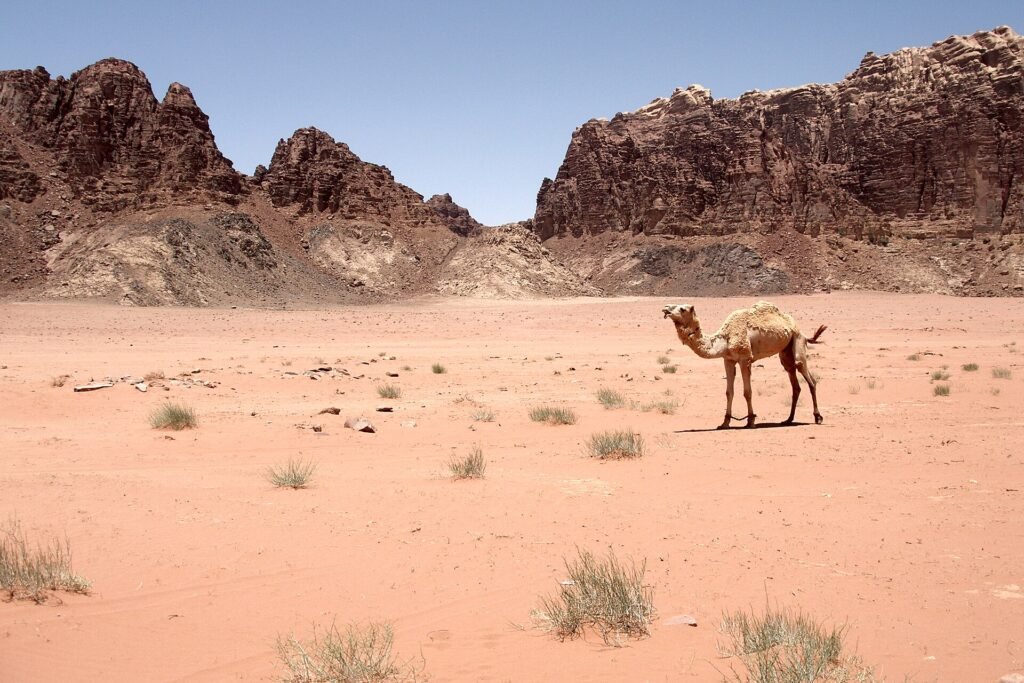
- Hire a 4×4 only if you plan to drive into Wadi Rum, and only with a Bedouin guide; the sand catches out even experienced drivers.
- Carry water, a charged phone and a paper map; mobile coverage drops in the south.
Buses and taxis
- JETT runs comfortable scheduled coaches between Amman, Petra, Aqaba and the Dead Sea; book a day ahead in high season.
- Yellow taxis in Amman should use the meter; insist on it, or use Careem or Uber, both of which work well.
- Minibuses are cheap but leave when full and have no fixed timetable.
- Avoid unlicensed drivers who approach you at the airport; use the official taxi rank or a pre-booked transfer.
Health Risks in Jordan
Heat
Summer heat is the hazard tourists underestimate most. Petra involves hours of walking with little shade, and the Monastery climb is more than 800 steps. The Dead Sea sits at the lowest point on land and traps heat. From June to September, start early, finish by noon, carry at least two litres of water per person and wear a hat. Heat exhaustion cases at Petra are a regular event for the site’s medical staff.
Water and food
Amman’s tap water is treated but most residents drink bottled or filtered water, and visitors should do the same. Street food is a highlight, not a danger; choose busy stalls where food is cooked fresh. Traveller’s diarrhoea is the most common complaint, so pack oral rehydration salts.
Vaccinations and mosquito-borne illness
Routine vaccinations plus hepatitis A and typhoid are the standard recommendations; check the CDC or WHO destination pages for the latest. Jordan is not a malaria area and dengue is not an established risk, but mosquitoes around the Jordan Valley can be a nuisance in summer.
Natural Hazards and When to Go
Flash floods
Jordan’s canyons and wadis can fill with water in minutes after rain that fell kilometres away. The 2018 flash floods near the Dead Sea and the evacuation of Petra the same year showed how quickly it happens. From November to March, check the forecast before entering Wadi Mujib, the Siq at Petra or any desert canyon, and do not ignore warnings from guides or the tourism police. Wadi Mujib’s Siq Trail is closed during the wet season for this reason.
Best time to visit
March to May and September to November give comfortable temperatures across the country. Winter is cold in Amman and Petra, with occasional snow, but pleasant in Aqaba and at the Dead Sea.
Solo and Female Travellers in Jordan
Jordan is one of the easier Middle Eastern countries for women travelling alone, and plenty do. Hospitality is genuine and often overwhelming. That said, a few realities help.
- Dress modestly away from Aqaba’s resort beaches: covered shoulders and knees for everyone, and a loose scarf is handy for mosques and conservative towns.
- Verbal attention and occasional unwanted touching are reported in crowded downtown Amman and on minibuses; sit near other women or the driver.
- Women-only Bedouin camps and female guides are available in Wadi Rum if you prefer them.
- Bars and hotel lounges in Amman’s Abdoun, Jabal Amman and Weibdeh neighbourhoods are relaxed and safe for solo visitors.
How to Stay Safe in Jordan: A Step-by-Step Plan
- Two weeks out: read the current US State Department, FCDO and travel.gc.ca advisories; buy travel insurance that covers medical evacuation and trip disruption; register with your embassy’s traveller programme if your country has one.
- Before departure: buy the Jordan Pass online (it includes the visa fee for stays of three nights or more and entry to Petra); download Careem and an offline map; photograph your passport.
- On arrival: use the official taxi rank or a pre-booked transfer at Queen Alia airport; buy a local SIM at the airport for cheap data.
- Daily: carry water, start sightseeing early in summer, keep cash small and spread out, and keep the tourism police number handy (ask at your hotel; officers in blue uniforms patrol all major sites).
- If the region flares up: follow your airline’s instructions, check the FCDO page for updates, keep your phone charged and stay away from large demonstrations, which happen periodically in Amman near the Kaluti mosque and downtown.
Emergency Numbers and Where to Get Help
- 911 is the unified emergency number in Jordan for police, ambulance and fire, and operators generally speak English.
- Tourism police have posts at Petra, Jerash, Wadi Rum, the Dead Sea resorts and Amman’s Citadel.
- Embassies for the US, UK, Canada and Australia are all in Amman; their websites list after-hours emergency lines.
Travel Insurance and Money Matters
Insurance for Jordan should include medical treatment and evacuation, cover for hiking and desert activities (some policies exclude “adventure” trips), and trip interruption for flight cancellations caused by regional events. Read whether your policy voids cover for areas under a “do not travel” advisory; sticking to the main tourist circuit keeps you inside the covered zone. This is general information, not financial or legal advice.
If you are comparing destinations in the region, our guide on whether Egypt is safe to visit in 2026 looks at the same regional questions from the Egyptian side, and our broader guide to staying safe when traveling abroad covers insurance, documents and money in more depth.
If airspace closures are on your mind, it helps to understand how airlines and regulators handle them; our explainer on how safe flying is puts those decisions in context.
Frequently Asked Questions
Is Jordan safe to visit right now given the conflicts nearby?
Jordan has remained stable through the regional conflicts of the past few years, and tourism has continued. The practical effects for visitors have been flight cancellations and occasional airspace closures rather than danger on the ground. Check the advisories the week you travel and build flexibility into your flights.
Is Petra safe?
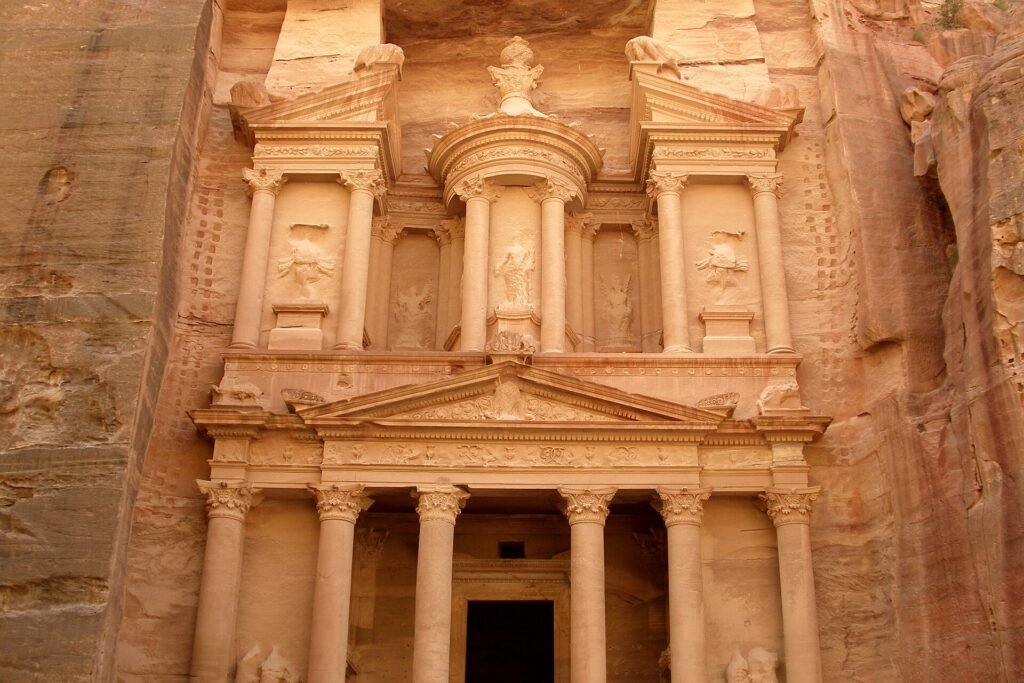
Yes. Petra is heavily policed and the main risks are heat, dehydration and twisted ankles on the Monastery steps. Animal handlers can be pushy; a firm “no, thank you” works. Go early, carry water and wear proper shoes.
Can I drink the tap water in Jordan?
It is treated, but most locals and nearly all visitors drink bottled or filtered water. Hotels provide bottles, and refill stations are becoming more common in Amman.
Is Amman safe at night?
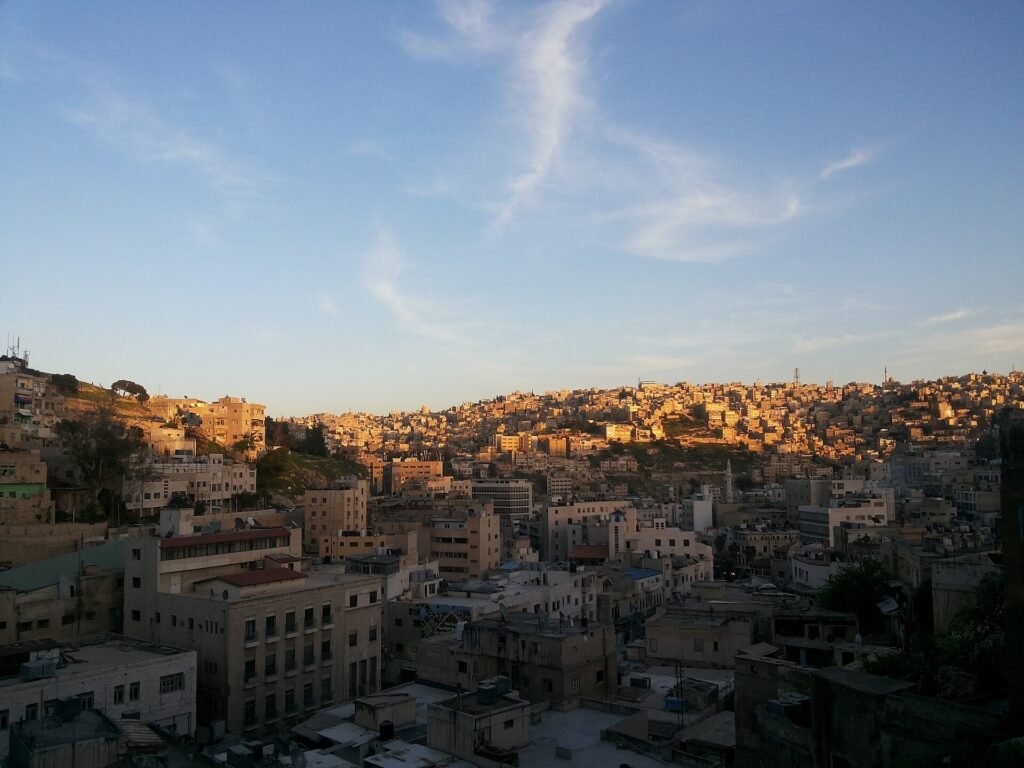
Amman’s main districts are safe to walk at night, and areas like Rainbow Street and Weibdeh are busy until late. Use a taxi app for trips between neighbourhoods rather than walking long distances through unfamiliar areas.
Bottom Line
Jordan is a safe country to visit, with low crime, friendly people and a tourism industry that has been looking after visitors for generations. The things worth planning for are the ones that are genuinely in your control: driving in daylight, respecting the heat, checking the forecast before entering a wadi, and reading the advisories so you know how the regional situation might affect your flights. Do that, and Petra at sunrise will be the memory you take home.