Yes, there are snakes in Aruba, but only three species, and you are very unlikely to meet any of them on a beach holiday. The snakes in Aruba are the endemic Aruba rattlesnake, a small and harmless cat-eyed snake known locally as the santanero, and the boa constrictor, an introduced species that has spread across the island since the late 1990s. Only the rattlesnake is dangerously venomous, and it lives in the dry, rocky interior rather than around the hotels of Palm Beach and Eagle Beach.
Should you be worried? Not really. Snakebites on Aruba are rare, the island is small enough that a hospital is never far away, and the one species that could hurt you is shy, critically endangered and restricted mostly to Arikok National Park and the cactus scrub of the north-east. Hikers and off-road jeep tourists have a small chance of a sighting; sunbathers have essentially none.
This guide names each species, explains where it lives and when you might cross paths, gives an honest view of the risk, and covers what to do if a bite does happen. It also looks at the other wildlife on Aruba that deserves a little more respect than the snakes.
Contents
- Which snakes live in Aruba?
- Where and when are you likely to see a snake in Aruba?
- How dangerous are Aruba's snakes really?
- Practical safety tips for hikers and families
- What to do if you are bitten
- Other wildlife worth knowing about in Aruba
- Insurance, medical care and emergencies
- Frequently Asked Questions
- Bottom line
Which snakes live in Aruba?
Aruba is a dry, low island off the coast of Venezuela, and its snake list is short. Three species are established; two are native and one arrived in the suitcase era. Here is how they compare.
| Species | Where it is found | Risk level |
|---|---|---|
| Aruba rattlesnake (cascabel), Crotalus unicolor | Arid interior and north-east, mainly Arikok National Park and surrounding cactus scrub | Venomous and medically significant, but very rarely encountered |
| Santanero / Baker’s cat-eyed snake, Leptodeira bakeri | Island-wide in scrub, gardens, rocky areas and around water sources | Mildly venomous to small prey only; harmless to people |
| Boa constrictor, Boa constrictor | Island-wide, including resort gardens, roadsides and the park | Non-venomous; can bite defensively if handled, but not dangerous |
The Aruba rattlesnake, or cascabel
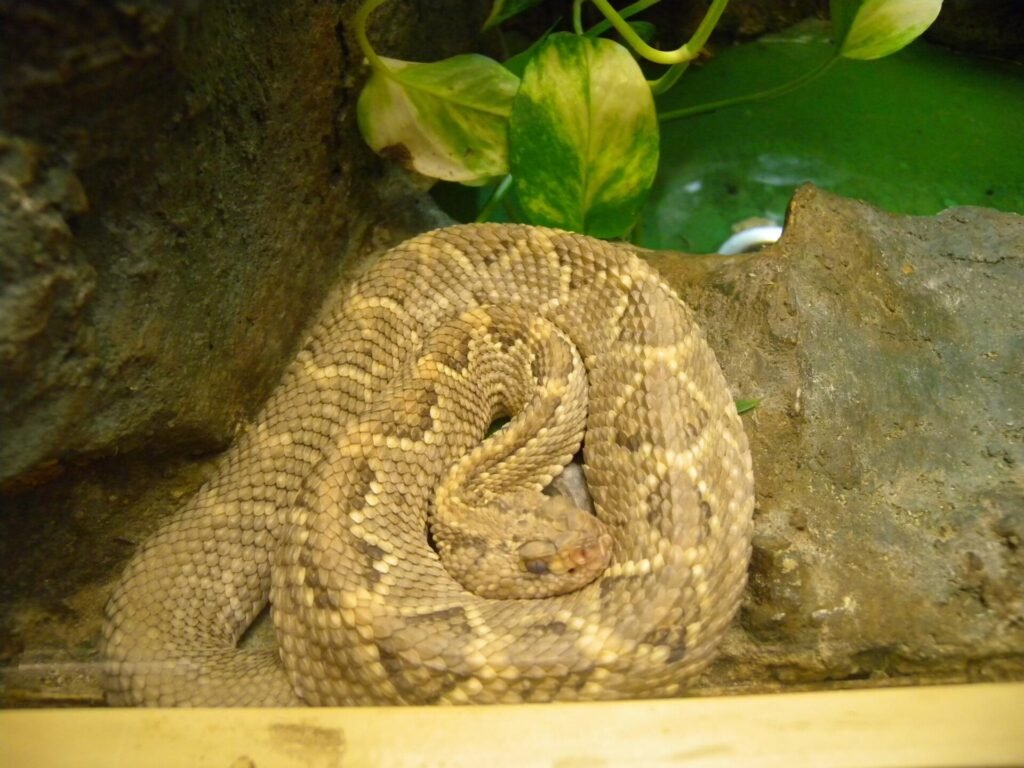
The cascabel is the only snake on the island that can seriously hurt you. It is a compact rattlesnake, usually well under a metre, in muted tan, grey or pinkish tones that blend into the rock. It is found nowhere else in the world and is listed as critically endangered, with the wild population estimated in the low hundreds. Most of those animals live inside Arikok National Park, which covers roughly a fifth of the island.
Like all rattlesnakes it has a buzzing rattle it uses as a warning, though Aruban cascabels are known for being quiet and relying on camouflage first. It is most active at dawn, dusk and on overcast days, and it spends the hottest part of the day sheltering under rocks and in burrows.
The santanero
The santanero is the snake you are most likely to see around the island, and it is nothing to fear. It is slender, brownish with darker blotches and large eyes, and it grows to around half a metre. It is rear-fanged with a weak venom designed for lizards and frogs; a bite to a person, which would require you to be holding it, causes at most minor local irritation. It is nocturnal and often turns up around outdoor lights where geckos gather.
The boa constrictor
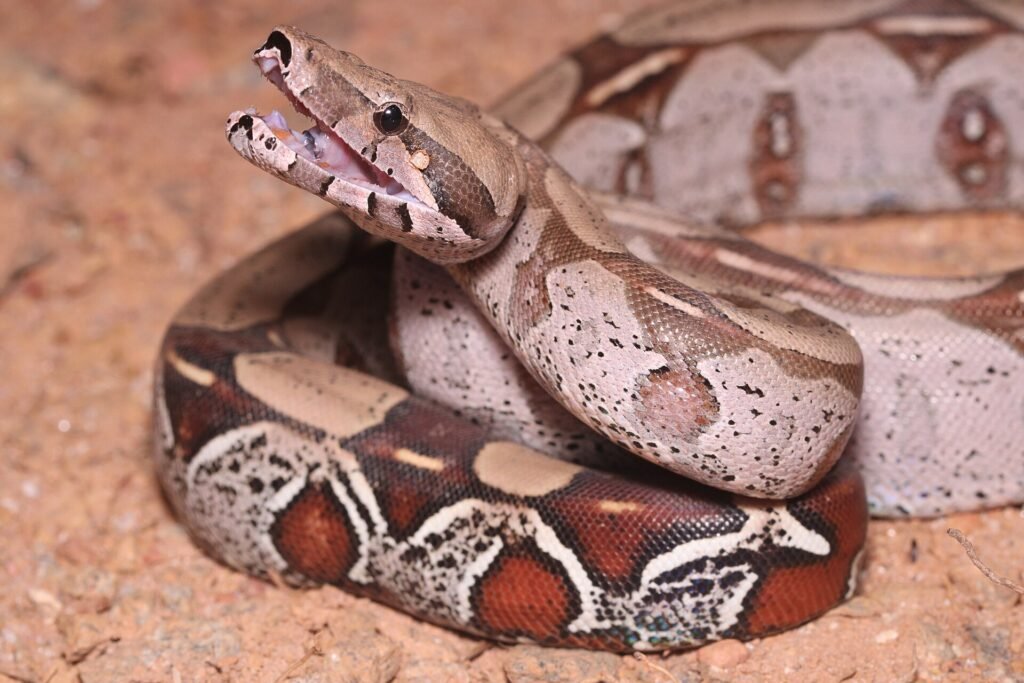
Boas are not native to Aruba. They were first recorded in the wild in the late 1990s, most likely from released or escaped pets, and they have since spread across the whole island. They are now the most frequently reported snake on Aruba and are considered an invasive threat to native birds and lizards. They can reach two metres or more but are not venomous and pose no realistic danger to adults or children, though a cornered boa will bite and the bite can draw blood. Island authorities actively remove boas, and residents are encouraged to report sightings.
Where and when are you likely to see a snake in Aruba?
For most visitors the answer is nowhere and never. The resort strip along Palm Beach and Eagle Beach is heavily landscaped and busy, and the only snake that might wander through a hotel garden is a boa or a santanero. The wild interior is a different story, but even there a sighting is a stroke of luck rather than a routine event.
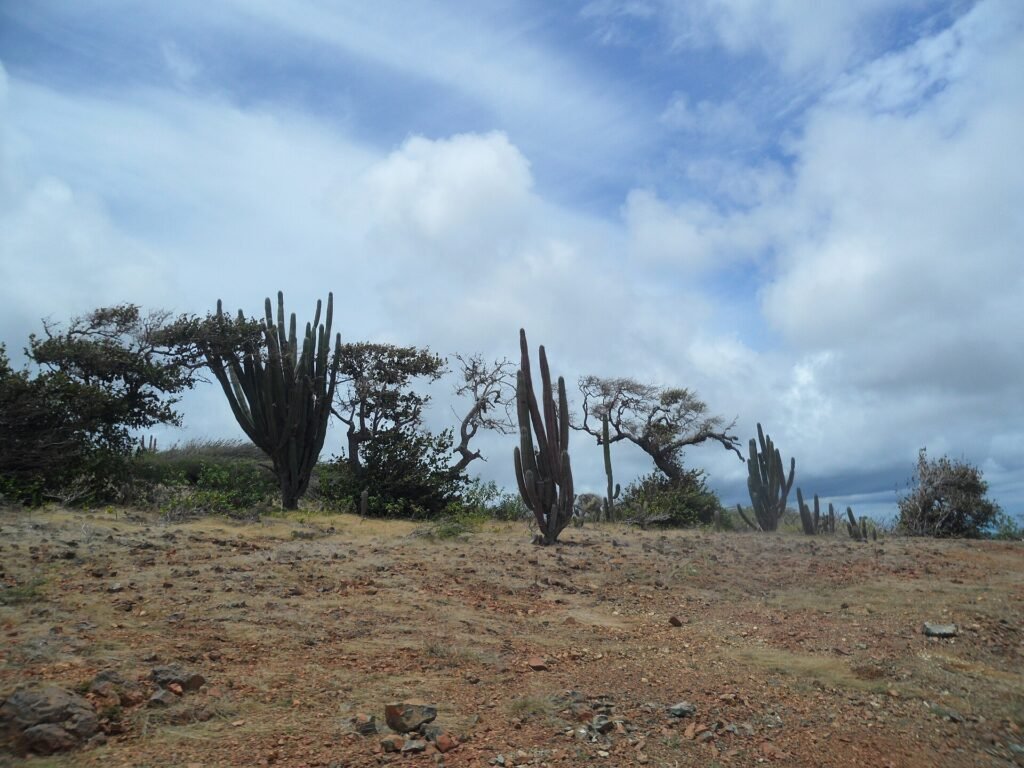
Arikok National Park
Arikok is the rattlesnake’s stronghold and the place with the highest, though still small, odds of seeing one. Hikers on the trails to the Natural Pool (Conchi), the caves at Fontein and Quadirikiri, and the summit of Jamanota should stay on marked paths and watch where they put hands and feet on rocky scrambles. Park rangers at the visitor centre can tell you about recent sightings and the current rules.
Off-road jeep and ATV tours
The north coast tracks around the California Lighthouse, Alto Vista and the Bushiribana gold mill ruins run through cactus scrub that both rattlesnakes and boas use. You are unlikely to meet one from a moving vehicle, but take care when you hop out for photos, especially in early morning or around sunset.
Season
Aruba is hot and dry year-round and snake activity does not vary dramatically. Boas tend to be reported more often after the wetter months from roughly October to January, and rattlesnakes are seen most in the cooler hours of the day in every season.
How dangerous are Aruba’s snakes really?
The honest picture is reassuring. Two of the three species cannot hurt you in any meaningful way. The third, the cascabel, has venom comparable to other rattlesnakes in its group, which can cause significant tissue damage and systemic effects, but it is small, rare, shy and largely confined to protected wilderness. Bites to visitors are rare enough that they make local news.
Aruba’s Dr. Horacio E. Oduber Hospital in Oranjestad is the main medical facility, and a snakebite would be treated there. Antivenom supplies on a small island can be limited, which is one more reason to treat any rattlesnake bite as a time-critical emergency and to carry travel insurance that covers evacuation to the mainland or the United States if needed.
If snakes are a particular concern for you, it helps to see Aruba in context. The mainland across the water has far more species and far more bites; our guide to snakes in Costa Rica describes a country where the question is a lot more pressing.
Practical safety tips for hikers and families
These habits cost nothing and cover almost every realistic scenario on the island.
- Wear closed shoes or boots and long trousers on park trails, not sandals.
- Stay on marked paths in Arikok and avoid walking through tall grass, cactus scrub or rock piles.
- Look before you put a hand on a rock or step over a log, and never reach into crevices or caves blindly.
- Walk in daylight; if you are out at dawn or dusk, carry a torch and sweep the ground ahead of you.
- Give any snake you see a wide berth and let it move away. Never try to catch, kill or photograph it up close.
- Teach children the simple rule: if you see a snake, stand still, then back away and tell an adult.
- Report boa sightings to park staff or your hotel; the island runs an active removal programme.
What to do if you are bitten
A santanero or boa bite needs nothing more than washing and a plaster, but if you are not certain what bit you, treat it as a rattlesnake bite until a doctor says otherwise.
- Move away from the snake and sit down. Keep the bitten limb still and roughly level with the heart.
- Call 911, which is the emergency number in Aruba, or have someone drive you directly to Dr. Horacio E. Oduber Hospital in Oranjestad.
- Remove rings, watches and tight clothing from the bitten limb before swelling starts.
- Do not cut the wound, suck out venom, apply ice or use a tourniquet. These old remedies make rattlesnake bites worse.
- Note the time of the bite and, if you can do it safely from a distance, take a photo of the snake to help the medical team.
- Stay as calm and still as you can while you wait or travel; movement speeds the spread of venom.
Other wildlife worth knowing about in Aruba
Snakes are far down the list of things that actually send tourists to a clinic in Aruba. The real culprits are in the sea and on the beach.
Sea urchins, fire coral and jellyfish
Long-spined sea urchins live on the rocky shallows and around piers, and standing on one is the classic Aruba holiday injury. Water shoes solve it. Fire coral stings on contact, and the occasional Portuguese man o’ war or jellyfish drifts in with the trade winds; heed any warning flags or signs at the beach.
Lionfish
Invasive lionfish are common on Aruba’s reefs. They are beautiful and slow, and their spines deliver a painful venom. Look, do not touch. If stung, immerse the area in hot water and seek medical advice.
Donkeys, goats, mosquitoes and the sun
Wild donkeys and goats wander the interior roads and are a driving hazard rather than an animal threat, so slow down on unlit roads at night. Mosquitoes are fewer than on greener Caribbean islands, but dengue does occur across the region, so use repellent in the evening and check the CDC or WHO travel pages before you go. The relentless sun and dehydrating trade wind do more damage to visitors than every animal on the island combined.
Insurance, medical care and emergencies
Aruba has good medical care by Caribbean standards, with the main hospital in Oranjestad and several private clinics near the hotel zone. Treatment is paid for upfront by visitors, so travel insurance with medical cover and, ideally, evacuation cover is worth the modest premium. Keep the emergency number 911 and your hotel’s address saved in your phone, and carry a basic kit with antiseptic, plasters, tweezers for urchin spines and sting relief.
For an all-round pre-trip checklist, read our ultimate guide to staying safe when travelling abroad. If you are curious how Aruba’s short snake list compares with other popular islands, see our guides to snakes in Hawaii, which has none on land, and snakes in Bali, which has considerably more.
Frequently Asked Questions
Are there poisonous snakes in Aruba?
Aruba has one venomous snake, the Aruba rattlesnake or cascabel, which lives mainly in Arikok National Park and the dry north-east. The santanero is technically mildly venomous but harmless to humans, and the boa constrictor is non-venomous. There are no coral snakes or vipers on the island.
Can I see snakes at the beach resorts in Aruba?
It is very unlikely. Rattlesnakes do not live in the developed resort areas of Palm Beach and Eagle Beach. The only snake that occasionally turns up in hotel gardens is the boa constrictor, which is harmless to guests and is removed by staff when reported.
Is it safe to hike in Arikok National Park?
Yes. Thousands of visitors hike the park each year and snakebites are rare. Wear closed shoes, stay on marked trails, carry plenty of water and avoid putting hands into rock crevices. Heat and dehydration are a far bigger hazard than wildlife on the park’s exposed trails.
Bottom line
Snakes in Aruba are a curiosity, not a reason to change your plans. The endemic Aruba rattlesnake is the only species that can hurt you, and it is rare, shy and largely confined to the wild interior. The santanero is harmless and the boa constrictor is an unwelcome but non-venomous newcomer. Wear proper shoes on the trails, watch your hands on the rocks, and save your caution for sea urchins, the sun and the roads. Your odds of a snake problem on a typical Aruba holiday are about as close to zero as travel gets.