The cheapest places to live in Japan are not in Tokyo, Osaka or Kyoto. They are the mid-sized regional cities of Kyushu, Shikoku, Hokkaido and the Sea of Japan coast, where a clean one-room apartment can rent for a third of what you would pay in central Tokyo and where the country’s famously low grocery, transport and healthcare costs stretch even further. If you can work remotely, teach, or hold a work visa that does not tie you to the capital, these cities give you the full Japan experience at a fraction of the price.
Contents
- Why regional Japan is so much cheaper than Tokyo
- 11 Cheapest Places to Live in Japan
- Cost comparison table
- What does a full monthly budget look like?
- Upfront apartment costs: the part nobody budgets for
- Visas and residency basics for foreigners
- Is regional Japan safe and practical for foreigners?
- How to move to a cheap Japanese city: step by step
- Frequently Asked Questions
- Bottom line
This guide ranks 11 affordable Japanese cities with realistic monthly rent ranges in yen and US dollars as of 2026 (at roughly ¥150 to the dollar; check the current rate before you budget), who each suits, and the honest downsides. It also covers the visa routes that actually let foreigners settle and the upfront apartment costs that catch newcomers out.
One thing to say plainly: Japan has no retirement visa and no “buy property and stay” route. Low rents only help if you have a legal way to be in the country, so read the residency section before you fall in love with a city.
Why regional Japan is so much cheaper than Tokyo
Japan’s population is shrinking and concentrating in a few metro areas, leaving regional cities with more housing than tenants. That keeps rents low and pushes landlords to waive “key money” (reikin). Day-to-day costs are low everywhere, so the gap with Tokyo is almost entirely rent.
11 Cheapest Places to Live in Japan
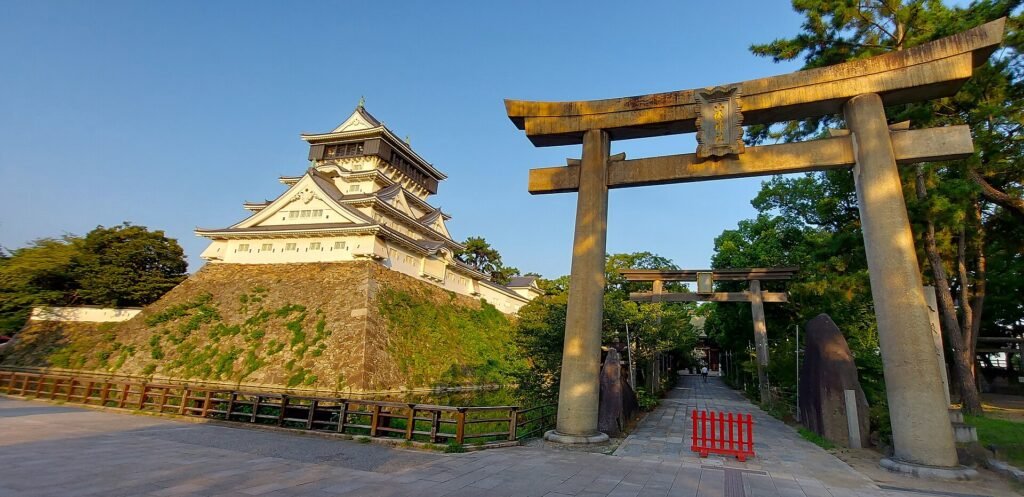
1. Kitakyushu, Fukuoka Prefecture
A former steel city at the northern tip of Kyushu, Kitakyushu is one of the cheapest large cities in the country. A one-room (1K) apartment typically rents for ¥30,000 to ¥50,000 (about $200 to $335) a month. You get a city of nearly a million people and a 20-minute Shinkansen link to Fukuoka. Downsides: parts of the city feel post-industrial and nightlife is thin. It suits remote workers and teachers who want Fukuoka’s airport and jobs without Fukuoka’s rising rents.
2. Sapporo, Hokkaido
Japan’s fifth-largest city has low rents because Hokkaido’s housing stock is plentiful and the winters put people off. Expect ¥35,000 to ¥60,000 ($235 to $400) for a 1K or 1DK. Sapporo gives you the snow festival, Susukino nightlife, Odori Park and world-class skiing an hour away. The catch is four to five months of snow and heating bills that add ¥10,000 or more a month. Suits skiers, students and anyone who prefers cool summers.
3. Kumamoto, Kumamoto Prefecture
Kumamoto is a friendly castle city in central Kyushu with 1K rents of ¥35,000 to ¥55,000 ($235 to $365). A major semiconductor investment nearby has created jobs and nudged rents up in surrounding towns, but the city centre remains cheap. Downsides: hot, humid summers and the memory of the 2016 earthquakes, so check a building’s construction date. Good for families and engineers.
4. Matsuyama, Ehime Prefecture
The largest city on Shikoku is best known for Dogo Onsen, one of Japan’s oldest hot springs, and its slow, literary atmosphere. Rents run ¥30,000 to ¥50,000 ($200 to $335) for a 1K. Matsuyama has trams, a hilltop castle and a mild climate. The downside is isolation: Shikoku has no Shinkansen, so Osaka means a ferry, a bus over the Seto bridges or a flight. Suits writers and remote workers who do not travel much.
5. Takamatsu, Kagawa Prefecture
Takamatsu is the gateway to the Seto Inland Sea art islands of Naoshima and Teshima, and the home of sanuki udon. Expect ¥30,000 to ¥50,000 ($200 to $335) a month for a small apartment. The city is flat, bike-friendly and has Ritsurin Garden, one of Japan’s finest strolling gardens. Downsides match Matsuyama’s: few international flights and a small foreign community. Ideal for art lovers and cyclists.
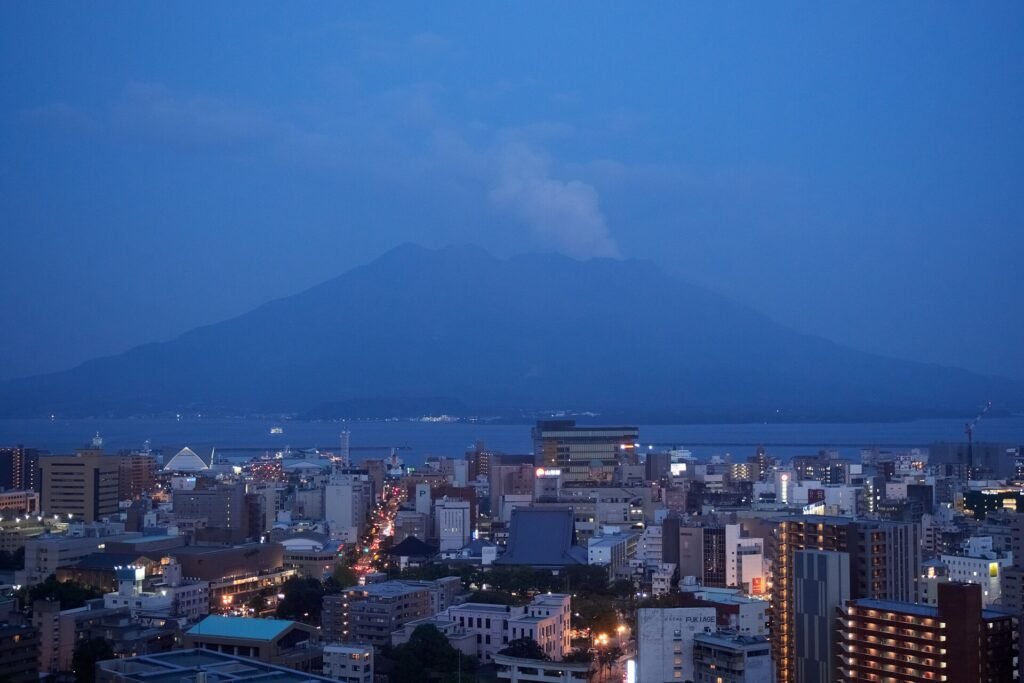
6. Kagoshima, Kagoshima Prefecture
At the southern end of Kyushu, Kagoshima faces the active Sakurajima volcano across the bay. Rents of ¥32,000 to ¥52,000 ($215 to $345) are typical for a 1K. The food is superb (kurobuta pork, shochu, sweet potatoes) and the climate subtropical. Downsides are volcanic ash on windy days and typhoon season from August to October. Suits warm-weather people and anyone wanting a base for Yakushima and the southern islands.
7. Niigata, Niigata Prefecture
On the Sea of Japan coast, Niigata is a rice and sake city about two hours from Tokyo by Shinkansen. A 1K rents for ¥35,000 to ¥55,000 ($235 to $365). Housing is roomy by Japanese standards and seafood is cheap. The mountains behind the city bring superb skiing (Yuzawa is 50 minutes away). The downside is grey, wet winters. Good for people who need Tokyo a few times a month.
8. Okayama, Okayama Prefecture
Okayama sits on the main Shinkansen line between Osaka and Hiroshima, with Korakuen Garden, a sunny climate and 1K rents of ¥35,000 to ¥55,000 ($235 to $365). It is the practical choice for cheap rent plus fast access to Kansai, with vineyards and the canal town of Kurashiki nearby. Downsides: the centre is functional rather than charming, and summer humidity is heavy.
9. Sendai, Miyagi Prefecture
The largest city in Tohoku is a leafy university town of about a million people, 90 minutes from Tokyo by Shinkansen. Rents are ¥38,000 to ¥60,000 ($255 to $400) for a 1K, higher than Kyushu but far below Tokyo. Sendai has a strong student scene, good hospitals and easy access to Matsushima Bay and the Zao ski resorts. Suits students, academics and families who want big-city services on a budget.
10. Nagasaki, Nagasaki Prefecture
Nagasaki is a hilly, historic port with a Dutch and Chinese trading past, trams and some of the cheapest rents on the list: ¥30,000 to ¥48,000 ($200 to $320) for a 1K. The hills mean stairs and no bike access for many apartments, and the shrinking population means services are consolidating. The West Kyushu Shinkansen has shortened trips to Fukuoka. Suits history lovers and anyone who wants a slower pace.
11. Oita, Oita Prefecture
Oita city is the quieter neighbour of Beppu, Japan’s hot-spring capital, and has a sizeable international student community thanks to Ritsumeikan Asia Pacific University. Rents run ¥30,000 to ¥50,000 ($200 to $335). You get onsen on your doorstep, mild winters and a working port. The downside is limited careers outside tourism, teaching and manufacturing. Good for students, teachers and onsen devotees.
Cost comparison table
Hedged ranges for a standard 1K or 1DK apartment of 20 to 30 square metres as of 2026. Check Suumo, Homes or At Home (the main Japanese listing portals) and Numbeo for live figures.
| City | Region | Typical 1K rent (¥) | Approx. USD | Best for |
|---|---|---|---|---|
| Kitakyushu | Kyushu | 30,000–50,000 | $200–335 | Remote workers near Fukuoka |
| Sapporo | Hokkaido | 35,000–60,000 | $235–400 | Skiers, students |
| Kumamoto | Kyushu | 35,000–55,000 | $235–365 | Families, engineers |
| Matsuyama | Shikoku | 30,000–50,000 | $200–335 | Slow living, onsen |
| Takamatsu | Shikoku | 30,000–50,000 | $200–335 | Art lovers, cyclists |
| Kagoshima | Kyushu | 32,000–52,000 | $215–345 | Warm climate, food |
| Niigata | Chubu | 35,000–55,000 | $235–365 | Tokyo commuters, skiers |
| Okayama | Chugoku | 35,000–55,000 | $235–365 | Kansai access |
| Sendai | Tohoku | 38,000–60,000 | $255–400 | Students, families |
| Nagasaki | Kyushu | 30,000–48,000 | $200–320 | History, slow pace |
| Oita | Kyushu | 30,000–50,000 | $200–335 | Students, onsen |
What does a full monthly budget look like?
A realistic single-person budget in one of these cities, as of 2026:
- Rent: ¥30,000–60,000
- Utilities: ¥10,000–18,000, higher in Hokkaido winters
- Mobile and internet: ¥5,000–9,000 with a budget carrier
- Groceries: ¥30,000–45,000
- National Health Insurance and resident tax: roughly ¥15,000–30,000 depending on income
- Transport: ¥3,000–10,000 (a bicycle and occasional train)
That is around ¥100,000 to ¥170,000 (about $670 to $1,130) a month, comfortably inside an assistant language teacher’s salary of roughly ¥250,000.
Upfront apartment costs: the part nobody budgets for
Moving into a Japanese apartment traditionally costs four to six months’ rent up front: a one- or two-month deposit (shikikin), non-refundable key money (reikin), an agency fee of about one month, a guarantor-company fee because foreigners rarely have a Japanese guarantor, plus fire insurance and a lock change. Filter listings for “zero reikin”, which is common in regional cities.
Foreigner-friendly agencies and share-house operators cut these costs sharply. Open a bank account (Japan Post Bank is usually easiest for newcomers) once you have your residence card, and use a low-fee international transfer service rather than a bank wire to move savings in.
Visas and residency basics for foreigners
Everything above depends on holding a status of residence. The real routes, named plainly, are:
- Engineer / Specialist in Humanities / International Services: the standard work visa for office jobs and most English teaching; needs a sponsoring employer and normally a degree.
- Instructor: for assistant language teachers in public schools (the JET Programme and dispatch companies use it).
- Highly Skilled Professional: points-based, with a fast track to permanent residency.
- Specified Skilled Worker: care, construction, agriculture, food service; requires skills and Japanese tests.
- Student: permits up to 28 hours of part-time work a week.
- Working Holiday: for citizens of the UK, Canada, Australia, New Zealand, Ireland and many European countries aged 18 to 30. Not available to US citizens.
- Business Manager: for founders with a real office and capital; requirements were tightened in 2025, so check the Immigration Services Agency.
- Digital Nomad: six months for remote workers with annual income of at least ¥10 million; it does not lead to residency, so treat it as a trial.
After arrival, register your address at city hall within 14 days, enrol in National Health Insurance if your employer does not cover you, and get your My Number card. Immigration specialists (gyoseishoshi) handle complicated cases for a fee. This section is general information, not legal advice.
Is regional Japan safe and practical for foreigners?
Japan is consistently ranked among the safest countries in the world, and regional cities are quieter still. The practical challenges are language (far less English than Tokyo), natural hazards (earthquakes everywhere, typhoons in Kyushu and Shikoku, heavy snow in Hokkaido and Niigata) and a thinner job market. Emergency numbers are 110 for police and 119 for fire and ambulance. If you are weighing Japan against other options, see our guides to the cheapest places to live in Vietnam and the cheapest places to live in Australia; teachers should also read how safe Thailand is for English teachers, and our guide to staying safe abroad covers the basics.
How to move to a cheap Japanese city: step by step
- Secure a visa route first (job offer, school admission or working holiday); a tourist stamp cannot be converted.
- Shortlist two or three cities by climate, Tokyo access and your field, and visit in winter if Sapporo or Niigata is on the list.
- Search Suumo, Homes and At Home for “zero reikin” listings, or use a foreigner-friendly agency or share house for the first six months.
- Budget four to six months’ rent for move-in costs plus flights and a month of living expenses.
- On arrival, register at city hall, join National Health Insurance, open a bank account and start Japanese lessons; municipal volunteer classes are often nearly free.
Frequently Asked Questions
Can I live in Japan cheaply on a tourist visa?
No. Visa-free entry for most Western nationals is 90 days and does not allow work or residential leases. You cannot register an address, join health insurance or open a normal bank account as a tourist, so these rents are only available to people with a status of residence.
What is the cheapest city in Japan for foreigners overall?
Kitakyushu, Nagasaki, Matsuyama and Takamatsu usually come out cheapest for rent. Once you factor in heating, flights home and job prospects, Kitakyushu often wins because Fukuoka’s airport and employers are 20 minutes away.
Is it realistic to find work in a regional city?
Teaching, university, manufacturing and IT roles exist in all 11 cities, but the pool is far smaller than Tokyo’s. Most foreigners arrive with a job already arranged or work remotely for an overseas employer on a visa that permits it.
How much Japanese do I need?
More than in Tokyo. City halls, clinics and landlords rarely speak English, and most local jobs ask for conversational Japanese (JLPT N3 or better). Translation apps get you through the first months, but your quality of life rises sharply with the language.
Bottom line
With a valid way to stay, regional Japan offers safe streets, excellent healthcare, fast trains and rents of ¥30,000 to ¥60,000 a month. Pick a city that matches your climate tolerance and need for Tokyo access, budget for move-in costs, and learn the language.