The cheapest places to live in Australia are almost all regional cities: inland Victoria and New South Wales, Tasmania’s north, Queensland’s regional coast and South Australia’s industrial towns. Sydney, Brisbane and Perth have become some of the most expensive rental markets in the English-speaking world, but two or three hours away you can still rent a whole house for what a one-bedroom unit costs in the capitals, and many of these towns sit in the “regional” zones that give skilled migrants extra visa points.
Contents
- Why regional Australia is so much cheaper
- 14 Cheapest Places to Live in Australia
- Rent comparison table
- What else will you pay for?
- Visas and residency basics for foreigners
- Safety, climate and wildlife in regional Australia
- How to find a rental in a cheap Australian town
- Frequently Asked Questions
- Bottom line
Below are 14 affordable cities and towns with realistic weekly rent ranges in Australian dollars (the local convention) and approximate monthly US dollar equivalents as of 2026, at roughly A$1 to US$0.65. Rents moved fast between 2021 and 2025, so treat every figure as a starting point and check realestate.com.au, Domain and Numbeo before you commit.
Be clear-eyed: cheap rent in Australia still means an expensive country. Groceries, fuel and insurance cost about the same in Whyalla as in Sydney. The saving is almost entirely housing, and it is a big one.
Why regional Australia is so much cheaper
Australia’s population clusters in five big coastal capitals, which is where the housing shortage bites. Regional centres have more land and less investor competition, and governments actively push migrants towards them through regional visas and study points. Remote work since 2020 has lifted rents in the prettiest coastal towns (Byron Bay and Noosa are no longer cheap), so this list leans inland and industrial.
14 Cheapest Places to Live in Australia
1. Whyalla, South Australia
A steelworks town on the Spencer Gulf, Whyalla has some of the lowest rents in the country: a three-bedroom house for A$300 to A$420 a week (roughly US$850 to US$1,180 a month). The steelworks’ financial troubles in recent years have unsettled the local economy, so job security depends on how that resolves. It suits tradespeople, healthcare workers and anyone who wants cheap space near excellent fishing and cuttlefish diving.
2. Shepparton, Victoria
Two hours north of Melbourne in the Goulburn Valley fruit bowl, Shepparton rents houses for A$380 to A$480 a week (US$1,070 to US$1,350 a month). It has a large multicultural community, a regional hospital and steady agricultural and food-processing work. Summers are hot and the town is flat and unglamorous, but it is one of the cheapest Victorian cities with a V/Line train to Melbourne.
3. Mildura, Victoria
On the Murray River near the Victoria–New South Wales–South Australia corner, Mildura is sunny, dry and cheap: A$380 to A$480 a week for a house. The economy runs on citrus, grapes and tourism. The downside is distance; Melbourne is six hours by road and the airport is small. Good for horticulture workers, retirees with permanent residency and remote workers who like river life.
4. Rockhampton, Queensland
Queensland’s “beef capital” on the Tropic of Capricorn rents houses for A$400 to A$500 a week (US$1,130 to US$1,400 a month). It has a university campus, a base hospital and mining-services jobs. The catch is summer heat and humidity, coastal cyclone risk, and Brisbane being seven hours south.
5. Wagga Wagga, New South Wales
Halfway between Sydney and Melbourne, Wagga is the largest inland city in New South Wales, with a university, an army base and an air force base. Houses rent for A$400 to A$500 a week. Winters are frosty, summers hot, and both capitals are a long drive. It suits defence families, students and healthcare workers in a town with real services.
6. Launceston, Tasmania
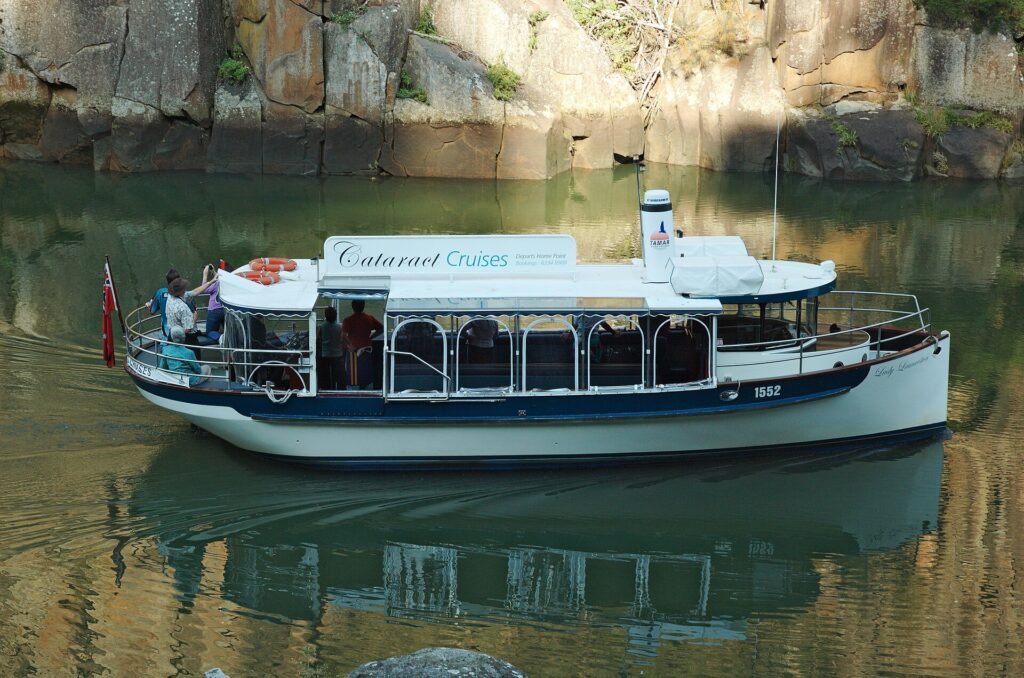
Tasmania’s second city has heritage streets, the Cataract Gorge and the Tamar Valley wine region on its doorstep, with houses at A$400 to A$520 a week (US$1,130 to US$1,460 a month). It remains cheaper than Hobart. Downsides are cold, damp winters and a thin job market outside health, education and hospitality.
7. Ballarat, Victoria
The gold-rush city is 90 minutes from Melbourne by train and has become the budget pick for Melbourne commuters: A$400 to A$500 a week for a house. Ballarat has grand Victorian architecture, Sovereign Hill and a growing hospital and university sector. The downside is weather; it is one of the coldest, windiest cities in mainland Australia.
8. Bendigo, Victoria
Bendigo is sunnier than Ballarat and a similar price, A$400 to A$500 a week, with a direct train to Melbourne in about two hours. It has a beautiful 19th-century centre, a major regional hospital and a growing arts scene. Rents are drifting up as Melburnians arrive, and the summer bushfire risk in surrounding bushland is real.
9. Albury–Wodonga, New South Wales/Victoria
A twin city straddling the Murray River on the Hume Highway, Albury–Wodonga offers A$420 to A$520 a week for a house and three-hour trains to Melbourne. It has a large regional hospital, a Charles Sturt University campus and logistics jobs. The split across two states complicates car registration and schooling, but it is one of the better-serviced regional options.
10. Mount Gambier, South Australia
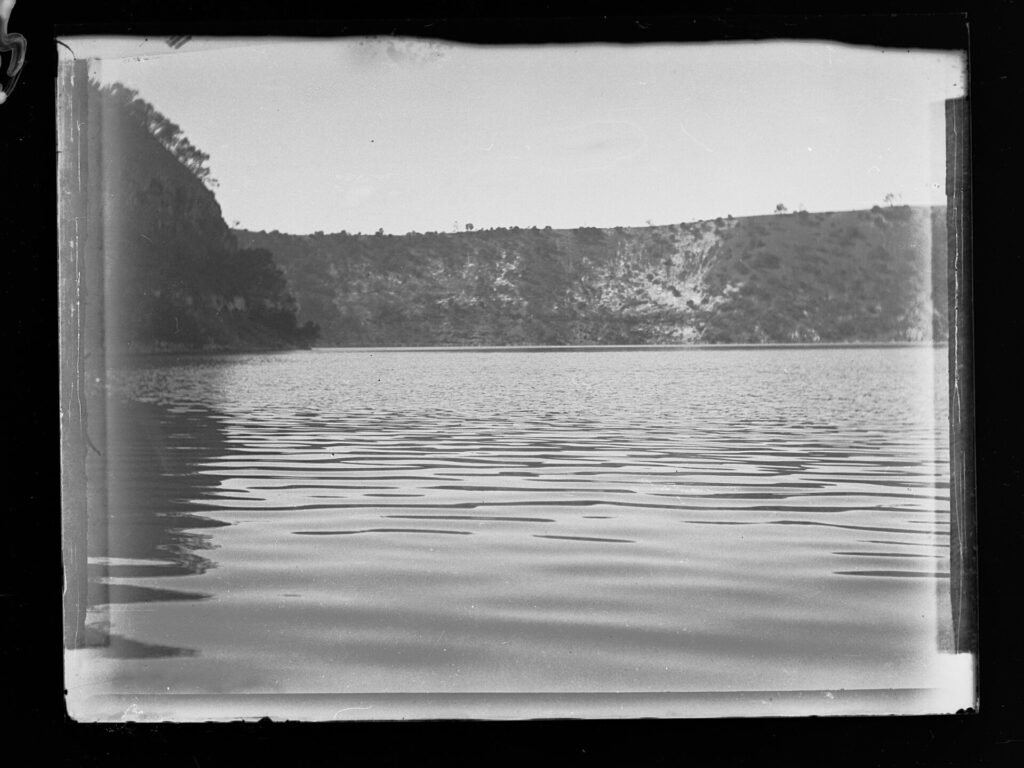
Near the Victorian border, Mount Gambier is famous for the cobalt-coloured Blue Lake in its volcanic crater and for cheap housing: A$380 to A$480 a week. Forestry, dairy and timber processing provide work. The downside is isolation: Adelaide and Melbourne are each about five hours away and flights are limited.
11. Toowoomba, Queensland
Perched on the Great Dividing Range 90 minutes west of Brisbane, Toowoomba has a cooler climate than the coast, a famous spring flower festival and houses for A$450 to A$550 a week (US$1,270 to US$1,550 a month). It has strong health, education and agribusiness employment. Rents have risen as Brisbane overflows, so it is cheap by Queensland standards rather than national ones.
12. Townsville, Queensland
North Queensland’s largest city has a major army base, a university, a hospital and houses for A$450 to A$550 a week. Magnetic Island is the lifestyle sell. The downsides are serious: cyclone season from November to April, stinger (box jellyfish) season closing beaches to swimmers, saltwater crocodiles in local waterways and intense summer humidity.
13. Dubbo, New South Wales
Central-west Dubbo is a regional service hub with the Taronga Western Plains Zoo, a base hospital and houses at A$420 to A$520 a week. It is well placed for travel across the state but five hours from Sydney. Summers are very hot and the town is prone to drought cycles that affect the agricultural economy.
14. Melbourne apartments, Victoria
Among the capitals, Melbourne’s unit market is the surprise bargain: one-bedroom apartments in suburbs such as Footscray, Brunswick or Carnegie rent for roughly A$450 to A$580 a week (US$1,270 to US$1,630 a month), well below Sydney. You trade space for trams, jobs and culture. Watch for older towers with high body-corporate fees and cladding problems.
Rent comparison table
Weekly rents are for a standard three-bedroom house unless noted, as of 2026.
| City | State | Weekly rent (A$) | Approx. monthly US$ | Best for |
|---|---|---|---|---|
| Whyalla | SA | 300–420 | 850–1,180 | Trades, cheapest space |
| Shepparton | VIC | 380–480 | 1,070–1,350 | Agriculture, families |
| Mildura | VIC | 380–480 | 1,070–1,350 | Sunshine, river life |
| Mount Gambier | SA | 380–480 | 1,070–1,350 | Forestry, quiet |
| Rockhampton | QLD | 400–500 | 1,130–1,400 | Mining services, health |
| Wagga Wagga | NSW | 400–500 | 1,130–1,400 | Defence, students |
| Ballarat | VIC | 400–500 | 1,130–1,400 | Melbourne commuters |
| Bendigo | VIC | 400–500 | 1,130–1,400 | Heritage, hospital jobs |
| Launceston | TAS | 400–520 | 1,130–1,460 | Scenery, cool climate |
| Albury–Wodonga | NSW/VIC | 420–520 | 1,180–1,460 | Well-serviced regional |
| Dubbo | NSW | 420–520 | 1,180–1,460 | Regional hub |
| Toowoomba | QLD | 450–550 | 1,270–1,550 | Brisbane access |
| Townsville | QLD | 450–550 | 1,270–1,550 | Tropics, army, uni |
| Melbourne (1-bed unit) | VIC | 450–580 | 1,270–1,630 | Capital-city life |
What else will you pay for?
Housing is the variable; everything else is national. Budget for:
- Rental bond: usually four weeks’ rent, lodged with the state bond authority and refunded if the property is left in good condition.
- Car: essential in nearly every town here. Registration and insurance together often run A$2,000 to A$3,500 a year.
- Utilities: A$250 to A$450 a quarter for a small household, more in cold Ballarat or Launceston winters.
- Health cover: Medicare for citizens and permanent residents, reciprocal cover for UK, Irish and New Zealand visitors, and compulsory Overseas Visitor Health Cover for most temporary work visa holders.
- Groceries: roughly A$120 to A$180 a week per person.
Open an Australian bank account before you arrive (the big four banks let many migrants apply online in advance) and use a specialist international transfer service rather than a bank wire for relocation funds. This is general information, not financial advice.
Visas and residency basics for foreigners
Australia has no general retirement visa open to new applicants, and buying property does not confer any right to stay. The realistic routes, named plainly, are:
- Skills in Demand visa (subclass 482): employer-sponsored temporary work visa with a pathway to permanent residency; regional hospitals, councils and engineering firms sponsor.
- Skilled Work Regional (Provisional) visa (subclass 491): points-tested, needs state or family nomination and three years in a designated regional area before permanent residency. Every town here except Melbourne qualifies.
- Skilled Employer Sponsored Regional visa (subclass 494): the regional version of employer sponsorship.
- Skilled Independent (189) and Skilled Nominated (190): permanent points-tested visas; competition is stiff and invitations favour high-points applicants in shortage occupations.
- Working Holiday (417/462): ages 18 to 30, or up to 35 for UK, Canadian, Irish, French, Italian and Danish citizens. Regional farm, hospitality or construction work can extend it to a second and third year.
- Student visa (subclass 500): regional campuses earn extra post-study rights.
- Partner visas for spouses and de facto partners of citizens and permanent residents.
Check your occupation against the current skilled occupation lists on the Department of Home Affairs website, and consider a registered migration agent (search the OMARA register) for anything beyond a working holiday. Most qualifications need a formal skills assessment first.
Safety, climate and wildlife in regional Australia
Regional Australian towns are generally safe, with crime concerns similar to small towns anywhere; check the state police websites for local figures. The real hazards are environmental: bushfire in Victoria and Tasmania, cyclones and flooding in Queensland, extreme heat inland, and venomous snakes and spiders, which cause very few deaths thanks to good antivenom and hospitals. Our guide to staying safe abroad covers general precautions. The emergency number is 000 for police, fire and ambulance.
If you are weighing countries, compare this list with our rundowns of the cheapest places to live in Japan, the cheapest places to live in Vietnam and the cheapest places to live in Colombia.
How to find a rental in a cheap Australian town
- Search realestate.com.au and Domain with price filters, then check Numbeo for the town’s overall cost picture.
- Prepare an application pack: photo ID, visa grant letter, proof of income and references. Competition is lower than in the capitals, but agents still rank applicants.
- Inspect in person or via a trusted contact; regional listings often photograph better than they look.
- Pay the bond only through the official state bond scheme, and get the signed lease and condition report before transferring anything.
- Connect electricity and internet the week before you move; regional connection times can be slow.
Frequently Asked Questions
What is the cheapest capital city in Australia?
As of 2026, Melbourne is among the cheapest capitals for apartments, and Hobart and Adelaide have both risen sharply from their old budget status. For houses, the regional towns in this list undercut every capital by a wide margin.
Can I live in Australia cheaply as a retiree?
Only if you already hold permanent residency or citizenship, or qualify through a partner visa. The old retirement visa categories are closed to new applicants, and tourist visas cap stays at three to twelve months with no right to rent long term or access Medicare.
Do regional areas really help with a visa?
Yes. The 491 and 494 visas require regional living, state nomination programs often favour regional applicants, and regional study adds points and post-study work rights. Confirm the current designated regional postcodes on the Home Affairs website because boundaries change.
Is it worth living somewhere cheap if I have to buy a car?
Usually, yes. A used car and running costs of around A$5,000 to A$8,000 a year is far less than the A$300 to A$500 a week rent gap between a regional town and Sydney. Only Melbourne on this list works without a car.
Bottom line
Australia is expensive, but it does not have to be Sydney-expensive. Pick a regional city with a hospital, university or defence base so the economy is stable, check it sits inside a designated regional area if you need visa points, and budget for a car and a bond. A whole house for A$400 a week is still possible in 2026.