Lists of the most dangerous cities in the world are usually built from homicide rates compiled from national statistics offices by groups such as Mexico’s Citizen Council for Public Security and Criminal Justice, or from crowd-sourced perception indexes such as Numbeo. Both are useful and imperfect. Homicide figures mostly reflect violence between armed groups in specific districts, not risk to visitors, and perception indexes measure how residents feel. This guide uses them as a starting point and then asks what they mean for a traveler.
The ten cities below appear repeatedly in those public lists and in the travel advisories of the US State Department, the UK FCDO, Canada’s travel.gc.ca and Australia’s Smartraveller. The order is not a ranking. For each we explain what the concern actually is, which areas to stay out of, and what remains worth seeing with sensible precautions, because several are also among the most rewarding cities on earth.
Contents
What Makes a City Dangerous for a Visitor?
A high homicide rate and a high risk to tourists are not the same thing. In most of the cities here, serious violence is concentrated in a handful of neighborhoods where armed groups compete for territory, and it rarely touches the districts where hotels, museums and restaurants sit. The risks that do reach visitors are more mundane:
- Opportunistic robbery and phone snatching on the street or the beach.
- Express kidnapping, where a victim is driven between ATMs and forced to withdraw cash.
- Carjacking and smash-and-grab theft on specific roads and at intersections.
- Unlicensed taxis and misleading tour offers.
That is why government advisories increasingly rate regions and even neighborhoods separately from the country as a whole. Read the detail under the headline level, ideally from two countries’ advisories.
The 10 Most Dangerous Cities in the World for Travelers
1. Caracas, Venezuela
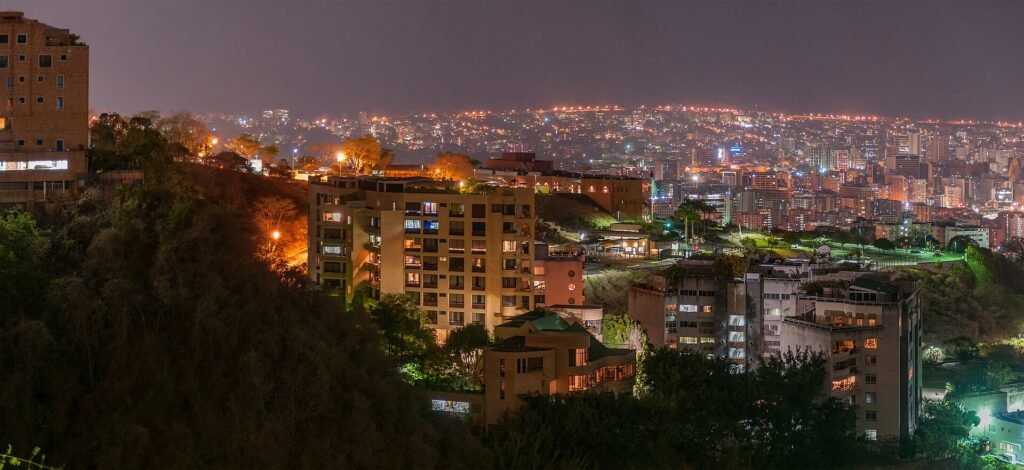
Caracas has featured near the top of published homicide lists for years, and Venezuela sits at the US State Department’s Level 4, “do not travel”, with the UK FCDO also advising against all travel. The concerns are armed robbery, kidnapping, shortages of medicine and the detention of foreign nationals. Barrios such as Petare and the hillside settlements ringing the city are off limits. Eastern diplomatic districts such as Altamira and Las Mercedes are where the few business visitors stay, always with arranged transport. That advice should be followed.
2. Port-au-Prince, Haiti
Haiti’s capital is the clearest case on this list. Armed groups control large parts of the metropolitan area, the airport has repeatedly suspended flights, and the US State Department and UK FCDO both advise against all travel. Kidnapping for ransom affects locals and foreigners alike, and there is no tourist-safe zone to recommend. Travelers drawn to Haiti’s culture should wait for conditions to change and check the advisories, which are updated frequently.
3. Tijuana, Mexico
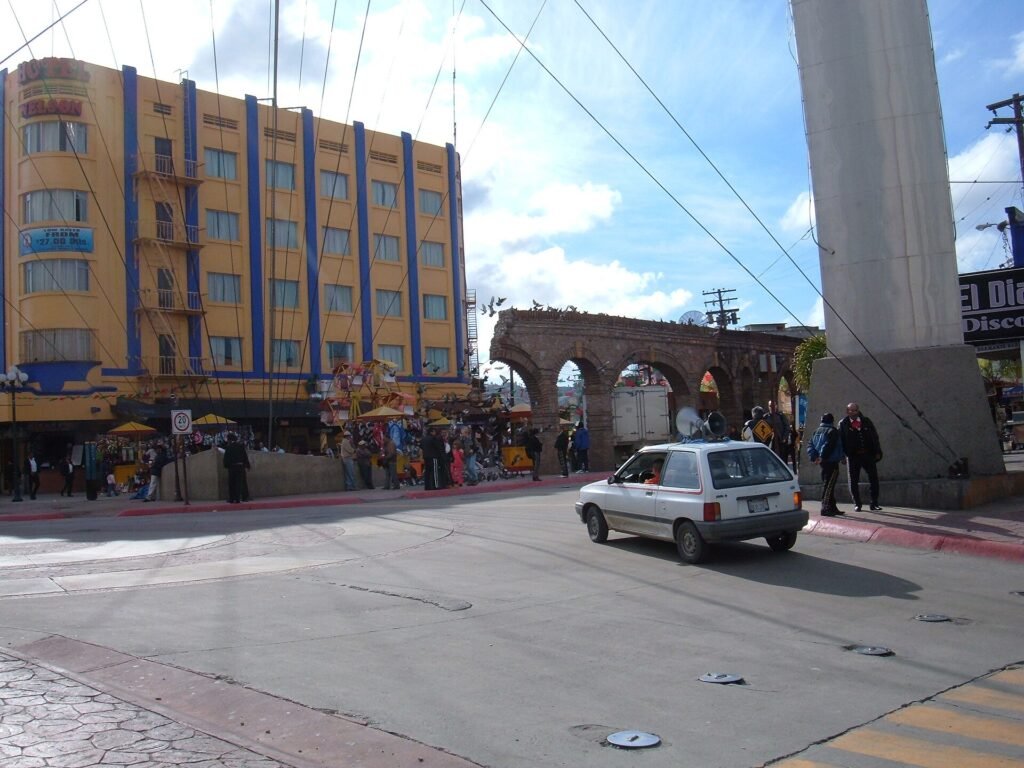
Tijuana regularly tops the Citizen Council’s homicide ranking, driven by competition between criminal organizations over smuggling routes into the United States. That violence is overwhelmingly confined to outer colonias and does not target visitors, which is why the US State Department keeps Baja California at Level 2, “exercise increased caution”. Zona Norte and the eastern districts beyond the Zona Río are the places to skip. The Avenida Revolución corridor, the Zona Río restaurant scene and the Valle de Guadalupe wine region draw Californians every weekend; go in daylight and take registered taxis or ride-hailing apps.
4. Ciudad Juárez, Mexico
Across the border from El Paso, Juárez has a long history of organized-crime violence, and the state of Chihuahua carries a Level 3, “reconsider travel”, advisory. As in Tijuana, incidents cluster in neighborhoods away from the center, and robbery and carjacking on secondary roads are the risks most likely to reach visitors. The historic center around the cathedral and the Mercado Juárez see day-trippers constantly. Stay central, avoid driving at night, and do not stray into outlying colonias.
5. Cape Town, South Africa
Cape Town is one of the world’s great tourist cities and also home to Cape Flats townships such as Nyanga, Khayelitsha and parts of Mitchells Plain, where gang-related homicide rates are among the highest the South African Police Service records. Those areas and the tourist zones are geographically separate, which is why South Africa sits at Level 2. For visitors the realistic risks are muggings on quiet trails on Table Mountain and Lion’s Head, smash-and-grab theft at traffic lights, and walking alone in the city center after dark. Hike in groups, use ride-hailing apps at night, and enjoy the V&A Waterfront, Camps Bay, Kirstenbosch and the Winelands with ordinary care.
6. Johannesburg, South Africa
Johannesburg’s reputation rests on the inner city, especially Hillbrow, Berea and parts of the central business district, where robbery and assault are frequently reported, along with carjacking on routes from the airport. Visitors mostly stay in the northern suburbs of Sandton, Rosebank and Melrose, which are well policed and lively, and use the Gautrain from OR Tambo airport rather than the highway at night. The Apartheid Museum, Constitution Hill and a guided Soweto tour are worth the trip; an unguided wander through the CBD at dusk is not.
7. San Pedro Sula, Honduras
San Pedro Sula, the industrial capital of Honduras, was for several years labeled the most violent city outside a war zone in published homicide rankings, and Honduras remains at Level 3. Gang extortion and territorial violence drive the figures, concentrated in neighborhoods such as Chamelecón and Rivera Hernández that no visitor has reason to enter. Most travelers see the city only as the gateway to the Bay Islands and Copán. If you stay, choose a hotel in the Zona Viva, use hotel-arranged transport and do not walk at night.
8. Kingston, Jamaica
Jamaica carries a Level 3 advisory, and the US State Department publishes an unusually specific list of Kingston neighborhoods it tells its own staff to avoid, including Mountain View, Trench Town, Tivoli Gardens, Arnett Gardens, Cassava Piece and parts of downtown. Gang violence in those communities accounts for most of the island’s homicides. Uptown Kingston, including New Kingston and Liguanea, hosts embassies, business travelers and music fans visiting the Bob Marley Museum without incident. Use licensed red-plate JUTA or JCAL taxis, and do not drive into downtown areas you do not know.
9. Karachi, Pakistan
Pakistan’s largest city is here for a different reason than most: not homicide rankings but the volume of street crime reported by police, particularly phone and motorcycle snatching at gunpoint, plus periodic political violence and a Level 3 advisory for the country. Lyari and parts of the old city have histories of gang conflict. Clifton, Defence Housing Authority and the seafront are where visitors and expatriates live, and Karachi’s food scene, Mohatta Palace and the Quaid’s mausoleum are reachable with a trusted driver. Keep phones out of sight in traffic and avoid demonstrations entirely.
10. Rio de Janeiro, Brazil
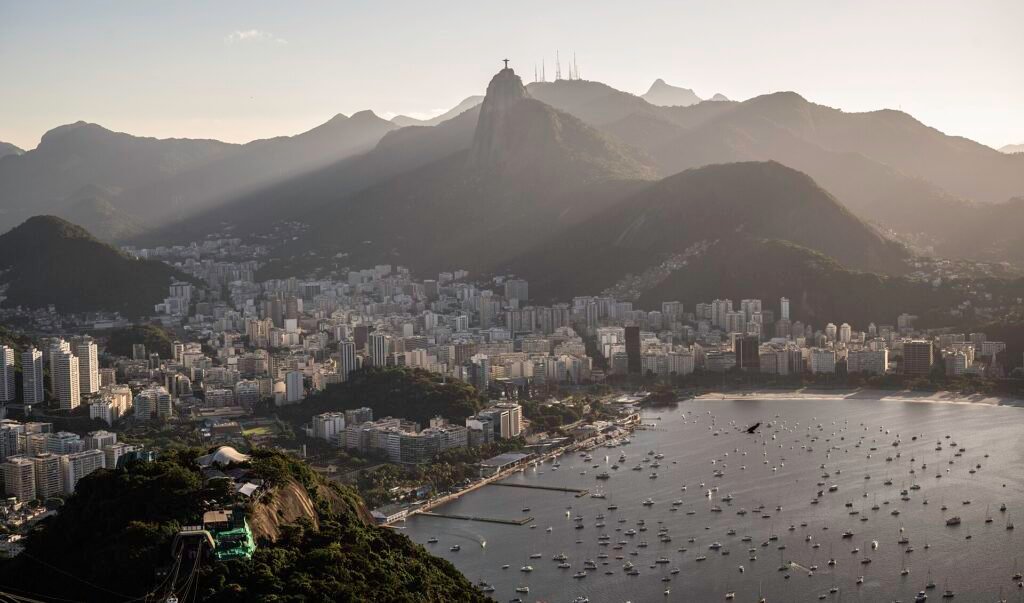
Rio is on every visitor’s list and most crime lists at the same time. Brazil sits at Level 2, but the State Department tells travelers not to enter any favela at any time, including on organized tours, and to avoid the Centro and Lapa after dark and the beaches at night. Armed robbery and phone theft are the common risks, often on the sand or in the lanes behind Copacabana and Ipanema. Sugarloaf, Christ the Redeemer, Santa Teresa by day and the beaches in daylight are heavily patrolled. Carry only what you need, use ride-hailing apps after dark, and stay on main roads rather than taking shortcuts up the hillsides.
Comparison Table
Advisory levels are the US State Department’s as of 2026 for the country or state concerned; check the current page before booking.
| City | Advisory level (country or state) | Main risk to visitors | Safer base for visitors | Emergency number |
|---|---|---|---|---|
| Caracas | Level 4, do not travel | Armed robbery, kidnapping, detention | None recommended; eastern diplomatic districts if essential | 911 |
| Port-au-Prince | Level 4, do not travel | Kidnapping, armed group control | None recommended | Check locally |
| Tijuana | Level 2 (Baja California) | Robbery, crossfire in outer districts | Zona Río, Avenida Revolución by day | 911 |
| Ciudad Juárez | Level 3 (Chihuahua) | Robbery, carjacking | Historic center by day | 911 |
| Cape Town | Level 2 | Trail muggings, smash-and-grab | Waterfront, Camps Bay, Southern Suburbs | 10111 |
| Johannesburg | Level 2 | Robbery, carjacking | Sandton, Rosebank, Melrose | 10111 |
| San Pedro Sula | Level 3 | Gang violence, robbery | Zona Viva hotels, hotel transport | 911 |
| Kingston | Level 3 | Gang violence in listed neighborhoods | New Kingston, Liguanea | 119 |
| Karachi | Level 3 | Phone snatching, unrest | Clifton, DHA with a driver | 15 |
| Rio de Janeiro | Level 2 | Armed robbery, phone theft | Zona Sul beaches by day, main roads | 190 |
How to Stay Safe in a High-Crime City
The same handful of habits reduce risk in every city on this list.
- Read the neighborhood-level advisory for the city, not just the country, and map the named areas before you arrive.
- Arrange airport transport in advance through your hotel or a tracked ride-hailing app; airport roads are where carjacking and express kidnapping most often begin.
- Carry a decoy wallet with a little cash, keep your phone off the street, and hand things over without argument if robbed.
- Walk in daylight and use cars after dark, even for short distances, in any district you do not know well.
- Use ATMs inside banks or malls during business hours, and never let anyone “help” you at a machine.
- Do not enter informal settlements or townships unguided, and skip “favela tour” offers where governments advise against them.
- Register your itinerary through STEP, Smartraveller or your own government’s scheme, and hold travel insurance that covers medical evacuation.
For the full preparation checklist, see our guide to staying safe when traveling abroad. For contrast, the most dangerous cities in the UK and the most dangerous cities in Morocco show how different “dangerous” looks in countries with far lower levels of violence.
Frequently Asked Questions
Are these really the ten most dangerous cities in the world?
They are ten that appear repeatedly in published homicide rankings and government advisories, chosen because travelers actually consider visiting most of them. Cities in active war zones are excluded, and several Mexican, Brazilian and Central American cities could be swapped in. Treat any such list as a prompt to read the advisories, not a definitive ranking.
Can tourists safely visit cities with high homicide rates?
Often, yes. Cape Town, Rio, Tijuana and Kingston welcome large numbers of visitors every year, because the violence behind their statistics is concentrated in districts tourists do not enter. The exceptions are Caracas and Port-au-Prince, where governments advise against all travel.
Which source should I trust for city safety?
Start with your own government’s travel advisory and read the neighborhood detail. Add a second country’s advisory for balance, then the national statistics office if you want numbers. Perception indexes such as Numbeo give a rough feel but are not evidence.
What is express kidnapping?
A short abduction, often starting in an unlicensed taxi, in which the victim is driven to ATMs and forced to withdraw cash, then released. It is reported in several Latin American cities. Using only official or app-based taxis and keeping a low withdrawal limit on your travel card are the main defenses.
Is travel insurance valid in Level 4 countries?
Frequently not. Many policies exclude regions where your government advises against all travel, so a trip to Venezuela or Haiti may leave you uninsured for medical care and evacuation. Read the exclusions before you book. This article is general information, not financial or legal advice.
The Bottom Line
The most dangerous cities in the world are dangerous in specific places for specific reasons, and most of that danger is not aimed at visitors. Two of the ten should simply be avoided until conditions change. The other eight reward travelers who read the neighborhood-level advisories, arrange transport, keep valuables out of sight and stay where residents themselves go out at night. Fear of a whole city is rarely justified; ignorance of its map often is.